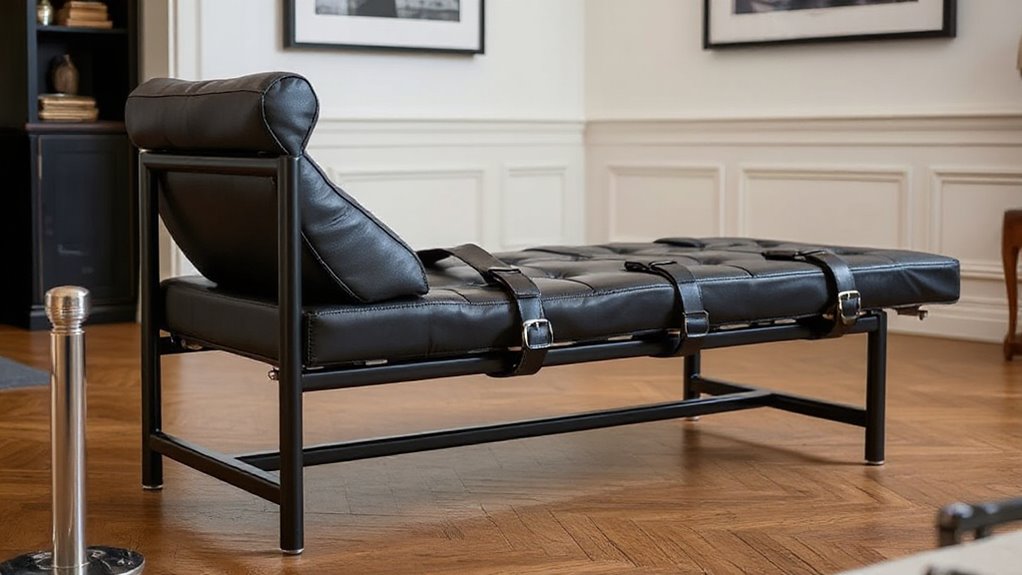
To use bondage furniture safely, you should thoroughly inspect it beforehand for damage, ensuring straps, joints, and locks are secure. Clearly communicate with your partner about limits and safe words, and always monitor them during use for signs of discomfort or circulation issues. Adjust restraints to be snug but not tight, and never leave your partner unattended. Proper setup, ongoing supervision, and post-session checks help prevent accidents—keep exploring for more tips to enhance your safety and enjoyment.
Key Takeaways
- Inspect furniture thoroughly before each use, ensuring all straps, joints, and locking mechanisms are secure and undamaged.
- Communicate clearly with your partner, establishing safe words and signals to maintain safety throughout the session.
- Adjust restraints snugly but comfortably, allowing space for a finger to prevent circulation issues or nerve damage.
- Never leave a restrained partner unattended; monitor continuously for signs of discomfort, pain, or circulation problems.
- After use, carefully remove restraints, inspect equipment for damage, and clean thoroughly following manufacturer guidelines.
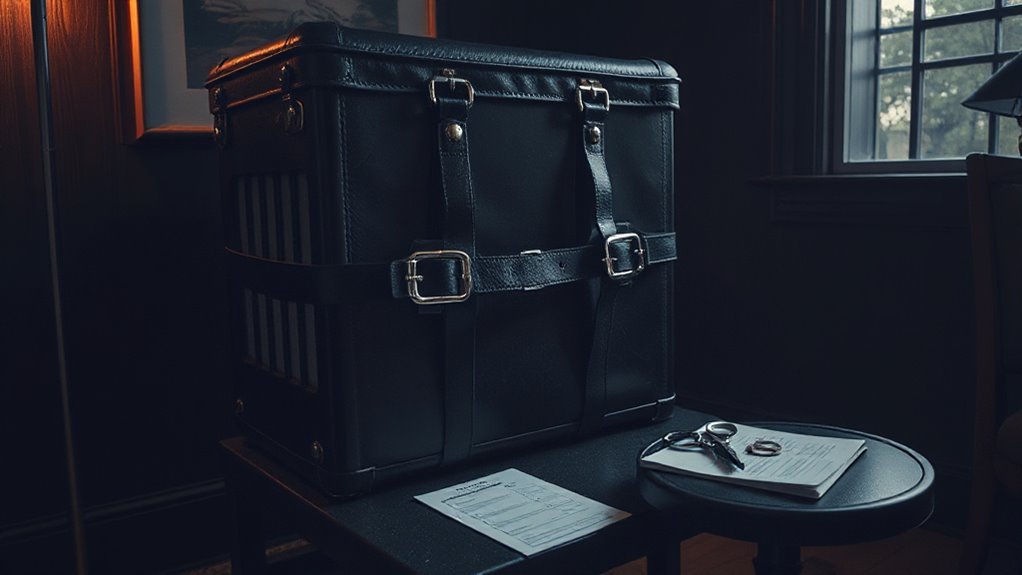
Using bondage furniture can enhance your BDSM experiences, but safety should always come first. Before you even get started, make sure you understand the specific furniture you’re using. Read all instructions and manufacturer guidelines thoroughly. Check that the furniture is sturdy, in good condition, and designed for the type of play you plan. Never use damaged or worn equipment, as it could break or malfunction, risking injury. Always inspect the furniture before each session, paying close attention to straps, joints, and locking mechanisms.
Establish clear communication with your partner about limits, safe words, and signals. Bondage furniture can be intense, and you need to be able to pause or stop immediately if something feels wrong. Use a safe word that’s easy to remember and understood by both of you, such as “red” for stop and “yellow” for slow down or check-in. Non-verbal signals can also be helpful if one partner is restrained and unable to speak comfortably.
Clear communication, safe words, and signals are essential for safe, enjoyable bondage experiences.
Positioning yourself correctly on bondage furniture is vital. Sit or lie in a way that doesn’t strain your body or restrict your circulation. Avoid positions that put pressure on nerves or joints, which can cause numbness, tingling, or even long-term damage. If straps or cuffs are involved, make sure they’re snug but not too tight. You should be able to slip a finger between the straps and your skin comfortably. Remember, tight restraints cut off circulation and can lead to serious injuries if left unchecked. Additionally, knowing proper safety precautions can prevent accidents and ensure a secure experience.
Always have safety tools nearby, such as scissors or a quick-release mechanism, so you can free yourself or your partner quickly if needed. It’s best to keep these tools within easy reach but out of reach of accidental activation. Never leave a restrained partner unattended, even for a moment. Constant supervision is essential to monitor for any signs of discomfort, pain, or distress. If you notice any signs of numbness, color change, or pain, stop immediately and reassess.
After your session, take time to carefully remove the restraints and examine each piece of furniture for any damage. Clean and disinfect all equipment according to manufacturer instructions to prevent infections. Bondage furniture is a tool to enhance trust and pleasure, but it’s not worth risking injury. Prioritize communication, preparation, and vigilance to enjoy BDSM safely and responsibly.
Frequently Asked Questions
What Are Common Signs of Bondage Furniture Misuse?
You should watch for signs like persistent discomfort, difficulty breathing, or numbness, which indicate misuse. If your partner seems distressed, tries to escape, or if there’s swelling or skin damage, these are serious warning signs. Always communicate openly, check in regularly, and listen to your partner’s cues. If anything feels off, stop immediately. Ensuring safety and consent is key to a positive experience with bondage furniture.
How Do I Clean and Maintain Bondage Furniture?
Keep your bondage furniture in tip-top shape by cleaning it regularly with mild soap and warm water or a suitable toy cleaner. Wipe down all surfaces after each use, paying close attention to crevices. Let it dry completely before storing. Check for any signs of wear or damage, because a stitch in time saves nine. Proper maintenance guarantees your safety and extends the life of your equipment, so don’t cut corners.
Can Bondage Furniture Be Used by Beginners Safely?
Yes, bondage furniture can be safe for beginners if you start slow and communicate clearly with your partner. Make sure to choose adjustable, user-friendly pieces designed for beginners. Always read instructions, establish safe words, and check for comfort and fit before use. Take your time, avoid rushing, and prioritize safety over experimentation. With proper preparation and care, you can enjoy bondage furniture safely and confidently.
What Are Alternative Safety Measures Besides Ropes?
Think of safety measures as your trusty shield. Besides ropes, you can use quick-release clips, soft cuffs, or adjustable straps that are designed for bondage. Always have safety scissors or a cutting tool nearby to quickly release your partner if needed. Communicate clearly, set safety signals, and regularly check in. These steps help guarantee your experience stays fun and safe, like sailing smoothly through calm waters.
How Often Should I Inspect My Bondage Furniture for Wear?
You should inspect your bondage furniture before each use and at least once a month for wear and tear. Check all joints, screws, and fabric for fraying or damage. Look for any signs of weakening or deterioration that could compromise safety. If you notice any issues, repair or replace the item promptly. Regular inspections guarantee your safety and prolong the life of your furniture, making your experience enjoyable and secure.
Conclusion
Remember, safety always comes first when using bondage furniture. It might seem intimidating at first, but with proper knowledge and precautions, you can enjoy your experience confidently. Don’t let fear hold you back—trust in your preparation and communication with your partner. The more informed you are, the more you’ll discover how empowering and freeing safe BDSM play can be. Embrace the journey, knowing you’re in control and prioritizing your well-being every step of the way.