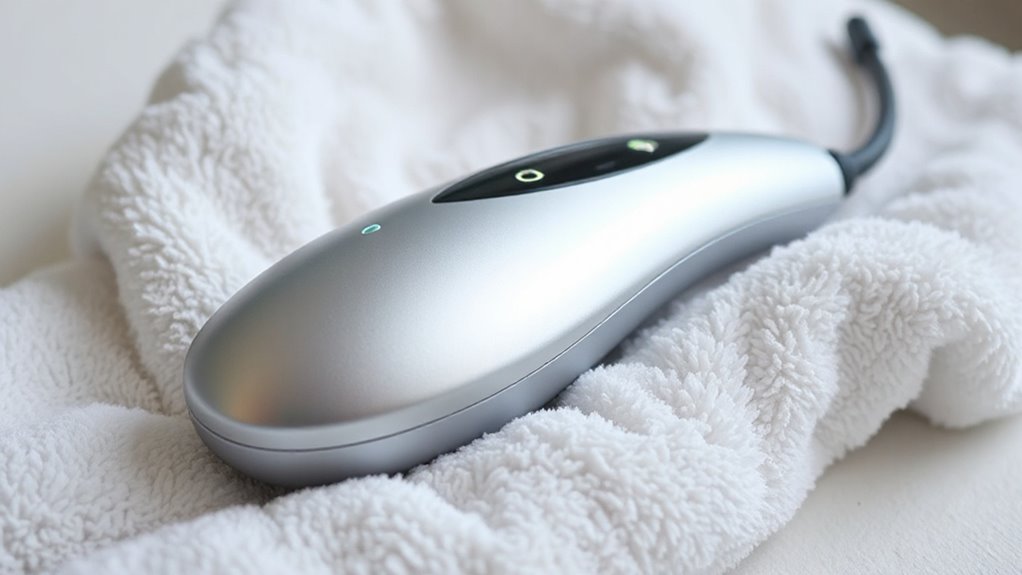

Vaginal rejuvenation devices can offer some mild improvements in comfort, confidence, and sensation, especially for addressing issues like mild laxity or dryness. However, their effectiveness varies, and they’re not suitable for severe conditions or significant aging signs. They’re often a good option if you’re looking for a non-invasive treatment with minimal downtime, but results are not guaranteed. To understand whether these devices might be right for you, it’s worth exploring more details.
Key Takeaways
- Effectiveness varies; some women notice improvements, while others see minimal results.
- Devices are generally safe but lack extensive long-term safety data.
- Multiple sessions and costs can make treatments expensive and time-consuming.
- They are suitable mainly for mild to moderate symptoms, not severe conditions.
- Consulting a qualified healthcare provider helps set realistic expectations and assess suitability.
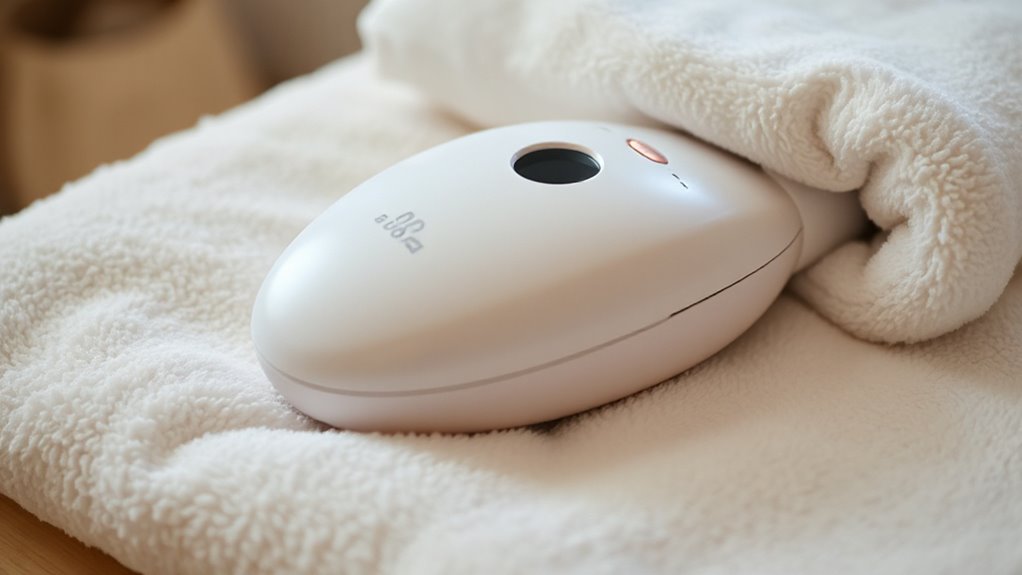
Vaginal rejuvenation devices have become increasingly popular as women seek non-invasive options to enhance their pelvic health and confidence. If you’re considering these devices, it’s natural to wonder whether they’re truly effective and worth the investment. These devices use various technologies, like laser, radiofrequency, or ultrasound, to stimulate collagen production, tighten tissues, and improve sensations. Many women turn to them because they promise improvements without the downtime or risks associated with surgery. But before jumping in, it’s important to understand what they can and can’t do.
First, you should know that vaginal rejuvenation devices are designed primarily to address certain concerns like mild laxity, dryness, or discomfort during intimacy. If you’re experiencing significant issues, such as severe prolapse or persistent pain, these devices might not provide the relief you need. They tend to work best for women with mild to moderate symptoms, making them a suitable option if your goals are more about boosting confidence and comfort rather than fixing serious medical conditions.
Vaginal rejuvenation devices suit mild issues but may not address severe medical concerns effectively.
One of the main advantages of these devices is their convenience. You can often use them at home, following a simple treatment routine, and there’s little to no recovery time. This appeals to women with busy schedules who want visible results without the commitment of multiple doctor visits or anesthesia. Plus, the procedure is generally painless or causes only mild discomfort, which makes it accessible for many. Some women report feeling tighter, more lubricated, and more confident in their bodies after consistent use, although results vary widely.
However, it’s important to manage expectations. While some women see noticeable improvements, others may experience only minimal changes. The outcomes depend on factors like age, tissue elasticity, and the specific device used. It’s also essential to remember that these devices are not a cure-all; they won’t reverse all signs of aging or fix underlying medical issues. For some, they serve as a complement to other treatments or lifestyle changes rather than a standalone solution.
Cost is another consideration. Devices can be expensive, and multiple sessions might be necessary to achieve desired results. Not all insurance plans cover these treatments, so you’ll want to weigh the potential benefits against the financial commitment. Also, since these are relatively new technologies, long-term data on their safety and effectiveness are still emerging.
Ultimately, whether a vaginal rejuvenation device is worthwhile depends on your specific needs, expectations, and health status. Do your research, consult with a qualified healthcare provider, and consider whether the potential benefits align with your goals. If you’re seeking a non-invasive way to feel more comfortable and confident, and your expectations are realistic, these devices could be a promising option to explore.
vaginal rejuvenation device at home
As an affiliate, we earn on qualifying purchases.
As an affiliate, we earn on qualifying purchases.
Frequently Asked Questions
Are Vaginal Rejuvenation Devices Safe for All Ages?
Vaginal rejuvenation devices are generally safe for most ages when used properly and under professional supervision. However, your safety depends on your health history and specific needs. Younger women with no health issues typically face fewer risks, but older women or those with certain conditions should consult a healthcare provider first. Always choose reputable clinics and trained practitioners to guarantee safe and effective treatment tailored to your age and situation.
How Long Do Results Typically Last After Treatment?
Results from vaginal rejuvenation devices typically last between six months to two years, depending on the type of treatment and your body’s response. You might notice improvements in elasticity, moisture, or tightness that gradually diminish over time. To maintain results, you may need follow-up treatments or lifestyle adjustments. Regular maintenance can help prolong the benefits, but individual experiences vary, so consulting with your provider is essential for personalized expectations.
Can Vaginal Rejuvenation Devices Improve Urinary Incontinence?
Imagine a gentle wave tightening the delicate fabric of your pelvic floor. Vaginal rejuvenation devices can indeed improve urinary incontinence by stimulating collagen growth and strengthening supportive tissues. As you undergo treatment, you might notice less leakage and a boost in confidence. While results vary, many women experience significant relief, making these devices a promising option to restore comfort and function in your daily life.
Are There Any Long-Term Side Effects to Consider?
Long-term side effects of vaginal rejuvenation devices are rare but possible. You might experience ongoing discomfort, scarring, or changes in sensation if the procedure isn’t performed properly. In some cases, tissue damage or infection could occur, leading to complications down the line. To minimize risks, make certain you select a qualified provider and discuss all potential long-term effects thoroughly before proceeding. Staying informed helps you make a safe, confident decision.
How Do Costs Compare Between Devices and Surgical Options?
Devices tend to be more affordable upfront, often costing a few hundred to a couple thousand dollars per session, and usually require multiple treatments. Surgical options, however, come with higher initial costs, typically ranging from several thousand to over ten thousand dollars, but may provide longer-lasting results. Consider your budget, desired outcomes, and whether multiple sessions or a single procedure aligns better with your financial and personal goals.
As an affiliate, we earn on qualifying purchases.
Conclusion
Considering all the options, vaginal rejuvenation devices can be worth it if you’re seeking improved confidence and comfort. Just know that around 70% of women report noticeable benefits after treatment, making it a popular choice. However, weigh the potential risks and costs carefully. Ultimately, understanding your personal needs and consulting a healthcare professional will help you decide if these devices are the right fit. Your comfort and well-being should always come first.
radiofrequency vaginal rejuvenation
As an affiliate, we earn on qualifying purchases.
As an affiliate, we earn on qualifying purchases.
ultrasound vaginal therapy device
As an affiliate, we earn on qualifying purchases.
As an affiliate, we earn on qualifying purchases.