

To rebuild trust after a major mistake, start with a sincere apology that acknowledges your responsibility and expresses genuine remorse. Follow through with consistent actions over time, demonstrating your commitment to change. Be open and transparent in your communication, showing vulnerability and willingness to listen. Remember, trust takes patience—don’t expect instant forgiveness. If you keep focusing on genuine effort and understanding, you’ll discover effective strategies to foster healing and restore confidence in the relationship.
Key Takeaways
- Offer a sincere apology that acknowledges the specific hurt without deflecting responsibility.
- Demonstrate consistent, transparent actions over time to rebuild trust gradually.
- Communicate openly about feelings and the impact of the mistake to foster understanding.
- Show vulnerability and genuine remorse to signal sincerity and commitment to change.
- Practice patience, recognizing that trust rebuilding is a gradual process requiring ongoing effort.

Have you ever wondered if there’s a way to truly let go of hurt and move forward? When someone you care about makes a major mistake, it can shake your trust and leave you feeling betrayed. But healing is possible, and it begins with understanding the importance of apology strategies. A sincere apology isn’t just about saying “I’m sorry”; it’s about showing genuine remorse and taking responsibility. When someone offers a heartfelt apology, it can start the process of trust restoration. You need to see that they truly comprehend how their actions affected you, which often involves specific apology strategies like acknowledging the hurt, avoiding deflective language, and expressing a commitment to change.
Trust restoration can’t happen overnight. It requires patience and consistency. If you’re on the receiving end of an apology, give yourself permission to feel skeptical at first. Trust isn’t rebuilt with words alone; it’s rebuilt through actions over time. For the person seeking forgiveness, it’s essential to back up words with meaningful deeds. Following through on promises, demonstrating reliability, and being transparent all help to re-establish confidence. If you’re the one offering the apology, remember that vulnerability is key. Show that you understand the impact of your actions and genuinely regret them. This sincerity is what makes apology strategies effective and helps pave the way for trust restoration.
On your journey to forgive, consider how you communicate your feelings. Expressing your hurt clearly, without blame or accusations, allows the other person to understand your perspective. It creates an open dialogue, which is essential for healing. Likewise, if you’re the one asking for forgiveness, be prepared for a process—not just a single moment. Trust is fragile, and rebuilding it requires ongoing effort. Be patient with yourself and the other person as you navigate this process. Remember that forgiveness isn’t about forgetting or excusing what happened, but about choosing to release the anger and pain that hold you back.
Ultimately, forgiveness is a path you walk carefully. It involves a combination of apology strategies, honest communication, and consistent behavior to facilitate trust restoration. Whether you’re giving or receiving forgiveness, understanding this process helps you move beyond the hurt and build a stronger, more resilient relationship. It’s not easy, but with intention and effort, you can transform pain into growth and create a foundation of renewed trust. Moreover, understanding that instantaneous trust rebuilding is unrealistic can help set healthy expectations for the process.

I'm Sorry Apology Card – Thoughtful Im Sorry Card for Relationships and Friendships – Simple and Heartfelt Sorry Greeting Card for her, him – Apology Gifts for Men and Women – NUM 437
- Blank Inside: Space for personalized message
- Thoughtful Design: Express genuine regret easily
- Perfect for Apologies: Ideal for heartfelt apologies
As an affiliate, we earn on qualifying purchases.
As an affiliate, we earn on qualifying purchases.
Frequently Asked Questions
How Long Does Genuine Forgiveness Typically Take?
Genuine forgiveness varies based on the situation and individual feelings, so there’s no set time. You’ll find that emotional healing requires patience, and it often takes weeks or even months. You might feel ready to forgive quickly, but true forgiveness involves processing emotions and rebuilding trust. Be patient with yourself and others, understanding that emotional healing isn’t linear. Over time, with consistent effort, genuine forgiveness will naturally develop.
Can Trust Be Fully Restored After Betrayal?
Trust is like a delicate glass vessel; once shattered, it’s possible to mend, but it takes time and care. Full trust recovery after betrayal depends on your emotional healing and the sincerity of the remorse shown. While the cracks may still be visible, genuine effort can restore a sense of safety. With patience and consistency, you can rebuild a foundation strong enough to hold future bonds, though it may never be exactly as before.
What if the Offender Isn’t Genuinely Remorseful?
When the offender isn’t genuinely remorseful, you need to assess their sincerity carefully. Look for clear remorse indicators like taking responsibility and consistent behavior change. Without genuine remorse, trust is hard to rebuild because it signals a lack of accountability. Trust depends on sincerity, so if you doubt their sincerity assessment, consider whether forgiving is truly in your best interest or if it’s better to protect your emotional well-being.
Is Forgiveness Always the Best Course of Action?
You might wonder if forgiveness is always the best choice. While it can promote emotional healing and personal growth, it’s not always necessary or right for everyone. Sometimes, holding boundaries or taking time to process makes more sense. Trust your feelings and needs. Forgiveness is a personal decision; you shouldn’t feel pressured to forgive if it doesn’t serve your emotional well-being or growth.
How Do Cultural Differences Impact Forgiveness?
Cultural differences markedly impact forgiveness because they shape your forgiveness expectations and responses to offenses. You might find that some cultures emphasize immediate reconciliation, while others prioritize understanding and patience. These cultural misunderstandings can lead to mismatched expectations, making forgiveness more complex. To navigate this, you need to recognize and respect varying cultural norms, allowing you to approach forgiveness with greater empathy and reduce potential conflicts due to differing perspectives.
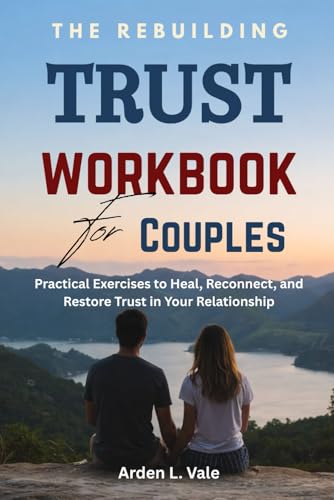
The Rebuilding Trust Workbook for Couples: Practical Exercises to Heal, Reconnect, and Restore Trust in Your Relationship
As an affiliate, we earn on qualifying purchases.
As an affiliate, we earn on qualifying purchases.
Conclusion
Remember, rebuilding trust after a major mistake is possible with patience and honesty. The Forgiveness Formula guides you through genuine remorse and open communication. Did you know that 60% of relationships recover from betrayal when both parties commit to rebuilding trust? Keep in mind, forgiveness isn’t about forgetting but healing together. By applying these principles, you can restore your relationship stronger than before, turning a painful mistake into an opportunity for growth and deeper connection.

The Relationship Check-In Journal: Couples Journaling: Meaningful Couples Conversation Starters, Routine Talks with your Partner, Become a Better Wife, Husband, Girlfriend, Boyfriend
As an affiliate, we earn on qualifying purchases.
As an affiliate, we earn on qualifying purchases.
trust restoration coaching programs
As an affiliate, we earn on qualifying purchases.
As an affiliate, we earn on qualifying purchases.