To pick the right tandem bike for two, consider your riding goals—whether for leisure, long-distance, or varied terrains—and choose a model that matches those needs, focusing on comfort, stability, and handling. Make sure both riders fit properly and can reach the pedals comfortably, and select a frame material that balances weight, durability, and budget. Pay attention to gear setups suited for your typical routes, and if you want to learn more, you’ll find helpful tips to find the perfect tandem bike.
Key Takeaways
- Determine your riding goals to select a tandem bike suited for leisure or long-distance adventures.
- Ensure proper fit and comfort for both riders, considering saddle height and adjustable components.
- Consider bike weight and maneuverability, choosing lighter models if frequent lifting or transport is needed.
- Match frame material (aluminum, steel, carbon) to your budget, durability needs, and desired weight savings.
- Choose gear setup based on terrain, ensuring both riders feel confident with handling and stability.

Choosing a tandem bike can be an exciting way to enjoy riding with a partner, friend, or family member. It offers a unique shared experience, but selecting the right one requires some thought. First, consider your riding goals. Do you want a bike mainly for leisure rides around the park, or are you planning longer, more adventurous trips? Knowing how you’ll use the tandem helps determine the features you need, like comfort, speed, or durability.
Choosing the right tandem bike depends on your riding goals, comfort needs, and adventure plans.
Next, think about the size and fit. Tandem bikes come in different frame sizes and designs, so it’s *essential* that both riders feel comfortable. You should be able to sit comfortably on the saddle with your legs extending slightly at the bottom of each pedal stroke. If one rider is *notably* taller or shorter, look for adjustable components or models designed to accommodate different heights. Proper fit reduces fatigue and prevents discomfort during longer rides.
Weight is another important factor. Tandem bikes tend to be heavier than single bikes, which can make them harder to maneuver, especially if you need to lift or transport them. Lighter models are easier to handle but might sacrifice some stability or strength. Balance your needs: if you plan to carry the bike on car racks or store it in tight spaces, a lighter frame could be more practical.
Material choices also influence your decision. Aluminum frames are lightweight and affordable, providing a good balance of strength and weight. Steel frames tend to be more durable and comfortable, thanks to their natural shock absorption, but they add weight. Carbon fiber frames are the most lightweight and stiff but come with a higher price tag. Think about your budget and how much weight you’re willing to compromise for durability or performance.
The gear setup should match your riding style and experience. Many tandem bikes feature multiple gears, which help you tackle hills and maintain comfort on varied terrain. If you plan to ride on flat trails, a simpler, fewer-gear setup might suffice. Conversely, if you’re taking on hilly routes, look for a bike with a wide gear range.
Additionally, consider the importance of high refresh rates and low input lag for a smooth riding experience, especially if you plan to use the tandem bike for competitive or performance rides. Test ride different models if possible. Pay attention to how the bike handles, how easy it is to steer, and whether both of you feel stable and comfortable. Don’t rush your decision—finding a tandem bike that fits well and suits your riding style will make your shared adventures more enjoyable and safe.

Pacific Dualie Adult Tandem Cruiser Bike, Two-Rider Bicycle for Men and Women, 26-Inch Wheels, 21-Speed, Linear Pull Brakes, Blue
Steel tandem frame gives a comfortable and sturdy ride for you and your partner, suggested rider height 5'4"…
As an affiliate, we earn on qualifying purchases.
As an affiliate, we earn on qualifying purchases.
Frequently Asked Questions
What Is the Ideal Tandem Bike Size for Different Rider Heights?
You should choose a tandem bike size based on each rider’s height to guarantee comfort and efficiency. For riders under 5’4“, look for bikes with smaller frames or adjustable seats. If you’re between 5’4” and 6′, a medium-sized frame works well. Taller riders over 6′ should opt for larger frames with longer top tubes. Always test ride different sizes to find the best fit, guaranteeing both of you can pedal comfortably.
How Do I Maintain and Clean a Tandem Bike Properly?
Did you know regular maintenance can double your tandem bike’s lifespan? To keep it in top shape, regularly clean the frame and components with mild soap and water. Lubricate the chain every few rides, check tire pressure, and tighten bolts as needed. After rides, wipe down the bike to remove dirt and moisture. Store it in a dry place, and schedule professional tune-ups annually to guarantee smooth, safe riding.
Are There Specific Safety Features Unique to Tandem Bikes?
Yes, tandem bikes often have safety features unique to their design. You’ll find double brake systems for added stopping power and reinforced frames to handle extra weight and stress. Additionally, many tandem bikes include sturdy, synchronized lighting systems for visibility and ergonomic handles for both riders. Some models also feature adjustable seats and pedals to guarantee comfort and control, making your ride safer and more enjoyable for both of you.
How Do I Ensure Proper Coordination Between Riders?
To guarantee proper coordination between riders, communicate clearly and consistently. Establish signals for turns, stops, and speed changes before riding. Practice starting, stopping, and steering together in a safe environment. Keep a steady pace that both can handle comfortably, and listen to each other’s feedback. Staying in sync and maintaining open communication helps prevent accidents and makes your tandem rides more enjoyable.
What Are the Best Accessories for Tandem Biking Comfort?
To elevate your tandem biking experience, prioritize comfort-enhancing accessories. Invest in cushioned, ergonomic seats for both riders, and consider adjustable handlebars for a personalized fit. Adding handlebar grips with extra padding can reduce strain, while a lightweight, weather-resistant saddlebag keeps essentials handy. Don’t forget a mirror for better coordination and a water bottle holder to stay hydrated. These accessories will make your rides smoother, more enjoyable, and truly memorable.
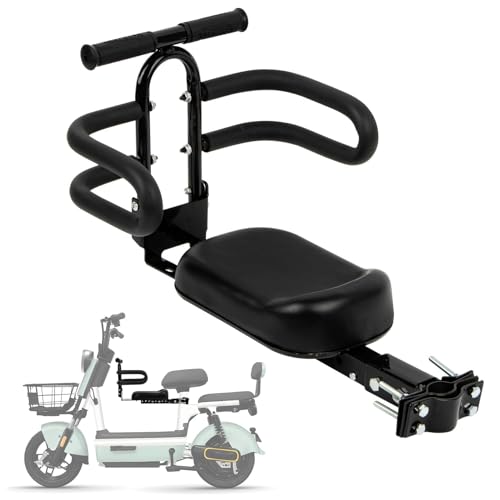
PSLER Tandem Bike Seat, Thicken Bike Seat for Adult Bike & Electric Scooter with Seat, Adjustable 35mm-65mm Inner Diameter for Electric Bike
Universal Fit & Adjustable: The tandem bike seat is designed for electric bikes and features an adjustable mounting…
As an affiliate, we earn on qualifying purchases.
As an affiliate, we earn on qualifying purchases.
Conclusion
Remember, choosing the right tandem bike is about teamwork and finding what fits both of you best. Take your time to test different models and communicate openly about your needs. A good tandem bike can take your rides to new heights, but only if you’re both on the same page. As the saying goes, “A journey of a thousand miles begins with a single step”—so start your tandem adventure with confidence and a shared goal.

Schwinn Twinn Classic Tandem Adult Beach Cruiser Bike, Double Seater, Low Step Aluminum Frame, 21-Speed, 650c Urban Tires, Alloy Caliper Brakes, Large Frame, Grey
Twinn Tandem Large/22-inch frame (front) and 18-inch frame Stroker (rear), 650c Wheels, fits riders Captiain 6'2" to 6'4"…
As an affiliate, we earn on qualifying purchases.
As an affiliate, we earn on qualifying purchases.
tandem bike gear setup for hilly terrain
As an affiliate, we earn on qualifying purchases.
As an affiliate, we earn on qualifying purchases.