
Music therapy can boost your relationships by helping you share meaningful experiences and express emotions in new ways. Engaging in music-making or listening together fosters trust, teamwork, and a sense of connection. It encourages non-verbal communication, patience, and empathy, making interactions more positive. Regular musical activities can also create routines that strengthen bonds and bring joy. Keep exploring how music therapy can transform your relationships even further.
Key Takeaways
- Facilitates shared musical experiences that promote teamwork, trust, and emotional connection between individuals.
- Enables emotional expression and empathy, deepening understanding and strengthening bonds.
- Enhances non-verbal communication skills through coordinated singing and instrument playing.
- Builds routines and rituals around musical activities, fostering stability and ongoing connection.
- Provides therapeutic benefits that improve emotional bonds and open pathways for deeper communication.

Have you ever wondered how music can strengthen your relationships? It’s more powerful than you might think. Music has a unique ability to evoke emotions, create shared experiences, and foster connections. When you use music therapy intentionally, you tap into these qualities to nurture bonds with loved ones, friends, or even colleagues. Whether it’s singing together, playing instruments, or simply listening, music helps break down barriers and opens avenues for genuine communication.
Music fosters genuine connections and strengthens bonds through shared experiences and emotional expression.
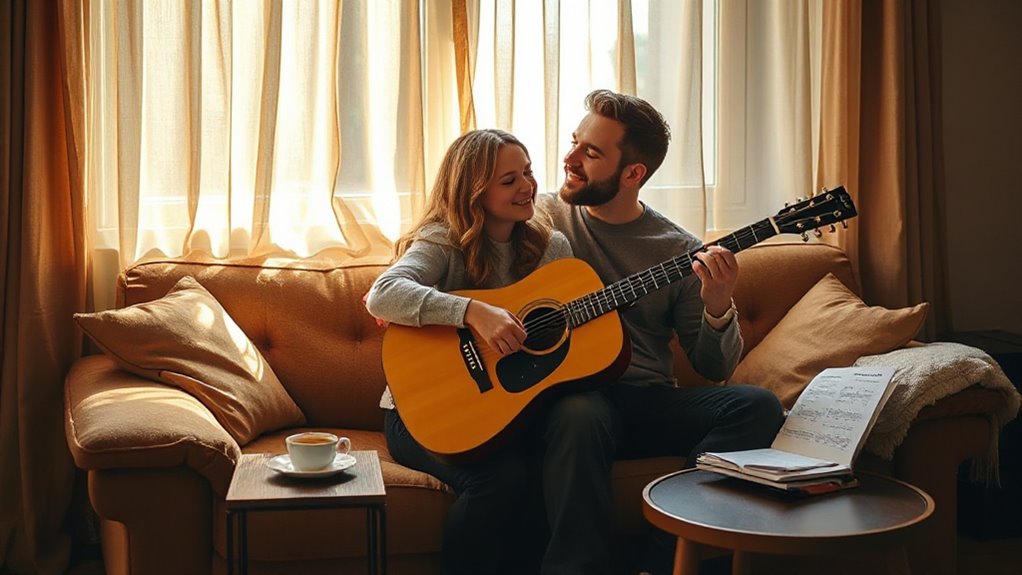
One of the most immediate ways music therapy enhances relationships is through shared experiences. When you and someone else participate in making or enjoying music together, you create a common ground. This shared activity encourages teamwork and cooperation, which naturally strengthens your connection. For example, jamming with a friend or family member can break the ice and build trust. It’s not about performance or skill; it’s about the joy of creating something together. These moments cultivate a sense of camaraderie and understanding that can extend beyond the music session into everyday interactions.
Music also serves as a powerful emotional outlet. If you’re struggling to express feelings verbally, music provides an alternative language. You and your partner or friend can listen to songs that resonate with your current emotions or even write and compose music to process complex feelings. This process fosters empathy, as each person gains insight into the other’s internal landscape. When you share your musical expressions, it demonstrates vulnerability, which deepens trust and intimacy. Additionally, music’s ability to evoke nostalgia or happiness can uplift relationships, reminding you of positive memories and shared histories.
Furthermore, music therapy can improve non-verbal communication, especially in relationships where words sometimes fall short. Singing together or playing instruments requires coordination, listening, and responding to each other’s cues. These interactions enhance your ability to read and respond to emotional signals, making your communication more nuanced and empathetic. Over time, this can translate into better understanding and patience in daily life, reducing conflicts and fostering a supportive environment.
Finally, engaging in music therapy can introduce routine and ritual into your relationships. Regularly sharing musical activities creates a stable framework that reinforces your connection. Whether it’s a weekly jam session or simply exchanging favorite songs, these rituals reinforce bonds and remind you of your shared commitment. The joy and fulfillment derived from these routines can act as a buffer against stress and conflict, making your relationships more resilient.
In essence, music therapy isn’t just about enjoying melodies; it’s a dynamic tool for connection. By actively engaging in musical experiences, you open pathways to emotional expression, shared joy, and deeper understanding—fundamental elements that strengthen and enrich your relationships. And because natural settings can enhance the therapeutic effects, incorporating outdoor musical activities can be especially beneficial.

MIFOGE Mini Kalimba Thumb Piano 8Keys Wooden,Exquisite Finger Piano with Lanyard Waterproof Protective Box,Musical Instrument,Gift for Toddler Child Valentines Adult Beginners
Perfect Gift Ideal: Come with two kinds of lanyard, you can take it with you anytime, anywhere.Mini Kalimba…
As an affiliate, we earn on qualifying purchases.
As an affiliate, we earn on qualifying purchases.
Frequently Asked Questions
Can Music Therapy Improve Communication Skills Between Partners?
Yes, music therapy can improve communication skills between partners. You actively engage in exercises like songwriting, listening, and improvisation that foster emotional expression and understanding. By working with a trained therapist, you learn to listen more deeply, share feelings openly, and build trust through musical interactions. This process helps break down barriers, enhances empathy, and creates a safe space for honest communication, strengthening your relationship overall.
How Quickly Can Couples See Benefits From Music Therapy?
You might notice benefits from music therapy in just a few sessions, as it quickly fosters emotional expression and understanding. With regular attendance, you and your partner can experience improved communication, reduced tension, and deeper connection within weeks. Everyone responds differently, but consistent participation often accelerates progress, making it a practical and enjoyable way to strengthen your relationship. Keep an open mind and stay committed for the best results.
Is Music Therapy Suitable for Children With Relationship Issues?
Yes, music therapy can be suitable for children with relationship issues. You’ll find it’s a gentle way to open communication and build trust, as music often speaks where words fall short. By engaging in musical activities, your child can express feelings and develop social skills naturally. It’s a win-win, helping kids navigate their emotions and relationships more effectively while having fun along the way.
Are There Specific Genres That Work Best in Therapy Sessions?
You’ll find that genres like calming classical, gentle acoustic, and soothing ambient music often work best in therapy sessions. These styles help create a relaxed atmosphere, making it easier for clients to open up and connect. However, the choice depends on individual preferences and therapeutic goals. Experimenting with different genres can help you discover what resonates most, fostering a safe space where emotional expression and relationship building can thrive.
Can Music Therapy Help Resolve Long-Standing Conflicts?
Yes, music therapy can help resolve long-standing conflicts by providing a safe space to express feelings and promote understanding. You might find that engaging in shared musical activities encourages open communication and emotional release. As you participate, you’ll discover new ways to connect, empathize, and work through issues together. Over time, these musical experiences can foster healing, reduce tensions, and strengthen your relationship.
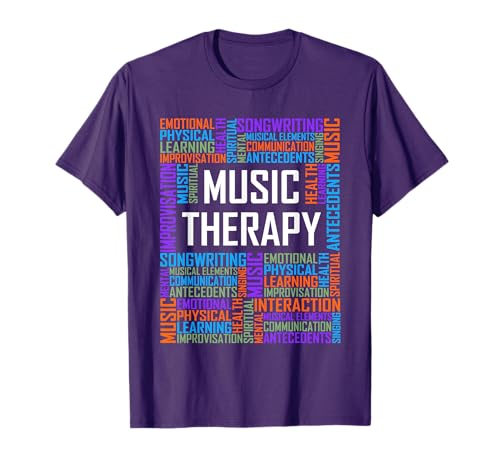
Music Therapy Words Gift Therapist Appreciation Graduation T-Shirt
Music Therapy Words Gift Therapist Appreciation Graduation Gifts is a design made from terminology words about Music Therapy.
As an affiliate, we earn on qualifying purchases.
As an affiliate, we earn on qualifying purchases.
Conclusion
By embracing music therapy, you open a channel of connection that acts like a bridge over troubled waters, bringing hearts closer together. It’s a powerful tool that nurtures understanding, empathy, and emotional intimacy. When you let music be your guide, you’re not just playing notes—you’re weaving a tapestry of shared experiences and trust. Ultimately, it transforms relationships into a symphony where every voice matters, creating harmony that resonates far beyond the notes.

Pinwheel Crafts DIY Wooden Music Box Kit for Kids Age 5+ – Make Your Own Music Box Kit with Carousel, Gramophone and Paints – 3-in-1 Wood STEM Set Gift for Boys and Girls
INSPIRE IMAGINATION AND SKILLS: Build a basic, gramophone and carousel mechanical music box with 8 paint colors, 2…
As an affiliate, we earn on qualifying purchases.
As an affiliate, we earn on qualifying purchases.

Joyreal AAC Device for Autism, Non Verbal Communication Tools for Speech Therapy & Stroke Rehab. Communication Tablet, Autism Talking Aids with 8 Programmable Buttons & Adjustable Volume
37 Easy To Understand Talking Buttons- Our AAC device for speech comes with 37 pre-installed instructions in a…
As an affiliate, we earn on qualifying purchases.
As an affiliate, we earn on qualifying purchases.