Connected sex toys collect sensitive personal data about your preferences and habits, which raises serious privacy concerns. If this data gets breached, it can expose intimate moments and lead to embarrassment or misuse. Many companies share or sell your information to third parties, often without clear transparency. Poor security measures increase the risk of hacking. To protect yourself, it’s important to understand how your data is handled and choose reputable brands—more details await if you continue exploring.
Key Takeaways
- Connected sex toys collect sensitive personal data, increasing risks if data breaches occur.
- Data sharing with third parties can lead to targeted advertising or misuse of intimate information.
- Insufficient security measures may allow hackers to access private usage data.
- Lack of transparency in privacy policies makes it difficult to understand how data is stored or shared.
- Users should choose reputable brands and review privacy practices to minimize privacy risks.
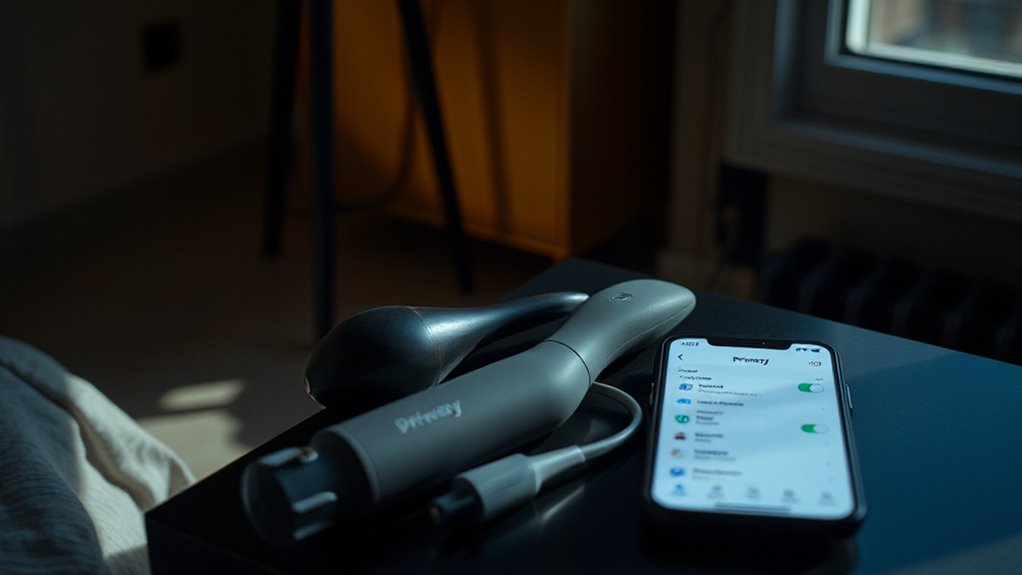
As more connected sex toys become popular, concerns about privacy have grown louder. These devices, designed to enhance intimacy through internet connectivity, collect a variety of sensitive data about your personal preferences, habits, and even your emotional responses. While the idea of a personalized experience sounds appealing, you might not realize just how much information you’re sharing and how vulnerable that data can be. Manufacturers often collect data to improve their products or offer tailored services, but the lack of transparency about what’s collected, how it’s stored, and who has access can leave you exposed.
Connected sex toys collect sensitive data, risking privacy breaches and misuse without transparency or strong security measures.
When you connect a sex toy to an app or a network, you’re creating a digital footprint. This footprint may include details like your usage patterns, session durations, and even specific preferences or behaviors. If this data isn’t properly secured, hackers could potentially access it, leading to breaches that compromise your privacy. Imagine your intimate moments being exposed or exploited—such scenarios are not just hypothetical. Data breaches have happened in other tech sectors, and connected sex toys are no exception. The risk increases if manufacturers don’t implement robust security measures or if they share data with third parties without your clear consent.
Beyond hacking, there’s also the concern of data sharing with third parties, such as advertisers or analytics firms. Some companies may track your usage to target you with personalized ads or sell your data to third parties interested in consumer habits. This can feel invasive, especially when it involves deeply personal information. Even if a company states it won’t share data, you can’t always be sure. Privacy policies are often complex or vague, making it difficult to understand exactly what rights you have or what happens to your data after your session ends.
Another issue is the potential misuse of data by the companies themselves. If a manufacturer experiences a data breach or has lax security practices, your private information could be leaked or misused. This could lead to embarrassing situations, blackmail, or discrimination—especially if the data falls into the wrong hands. Moreover, as laws around data privacy evolve, some companies may not fully comply or may find loopholes that leave your sensitive data unprotected. It’s also important to note that vetted privacy policies and security measures are crucial in reducing these risks.
In short, while connected sex toys can offer exciting, personalized experiences, they also come with significant privacy risks. It’s essential to be aware of what data you’re sharing, read privacy policies carefully, and choose products from reputable manufacturers that prioritize security. Protecting your privacy means understanding that, behind the pleasure, your personal information is a valuable asset that deserves safeguarding.
Frequently Asked Questions
How Can I Verify the Security of Connected Sex Toys Before Purchase?
To verify the security of connected sex toys before buying, start by researching the brand’s reputation and read reviews for any security concerns. Check if they use encrypted connections and strong authentication methods. Visit the company’s website to review their privacy policies. Look for updates and patches issued regularly, and avoid toys with outdated software. Finally, guarantee the device allows you to control data sharing and delete your information easily.
What Are My Rights if My Connected Sex Toy Data Is Leaked?
If your connected sex toy data leaks, you have the right to seek legal action, demand transparency from the manufacturer, and request that your data be deleted. You can also file complaints with data protection authorities. Make sure to review the company’s privacy policy beforehand, and stay informed about your rights under laws like GDPR or CCPA. Protecting your privacy is essential, so act swiftly if your data is compromised.
Can Manufacturers Access My Personal Information Without My Consent?
Yes, manufacturers can access your personal information without your consent if their policies or security measures are weak. They might collect data for improving products or marketing, but they should inform you and obtain your permission first. Always read privacy policies carefully, and consider opting out of data sharing options if available. Protect your privacy by staying informed and cautious about what data you share and how it’s used.
How Do Updates to Connected Sex Toys Impact My Privacy?
Updates to your connected sex toy can impact your privacy by potentially exposing your data if security patches aren’t applied promptly. When manufacturers release updates, they often include security improvements, but if you don’t install them, vulnerabilities may remain. Always read update notices carefully, verify your device’s firmware is current, and only download updates from trusted sources to protect your personal information. Staying vigilant helps keep your privacy secure.
Are There Privacy-Focused Brands That Prioritize User Data Security?
Yes, some brands prioritize your privacy and data security. Look for companies that are transparent about their privacy policies, use strong encryption, and allow you to control your data settings. Brands like Lovense, We-Vibe, and OhMiBod often emphasize user privacy and security. Always research their privacy practices before purchasing. Choosing reputable brands helps guarantee your personal information remains protected and your experience stays private.
Conclusion
So, next time you enthusiastically sync your “smart” toy, remember—your deepest secrets are probably being stored somewhere. Who needs privacy when you can have high-tech pleasure, right? Just think of all the data they could sell—your intimate moments, now a premium commodity. So go ahead, indulge, but don’t be shocked if your connected toy turns out to be the worst “confidant” you’ve ever had. Privacy? Overrated, until it’s too late.