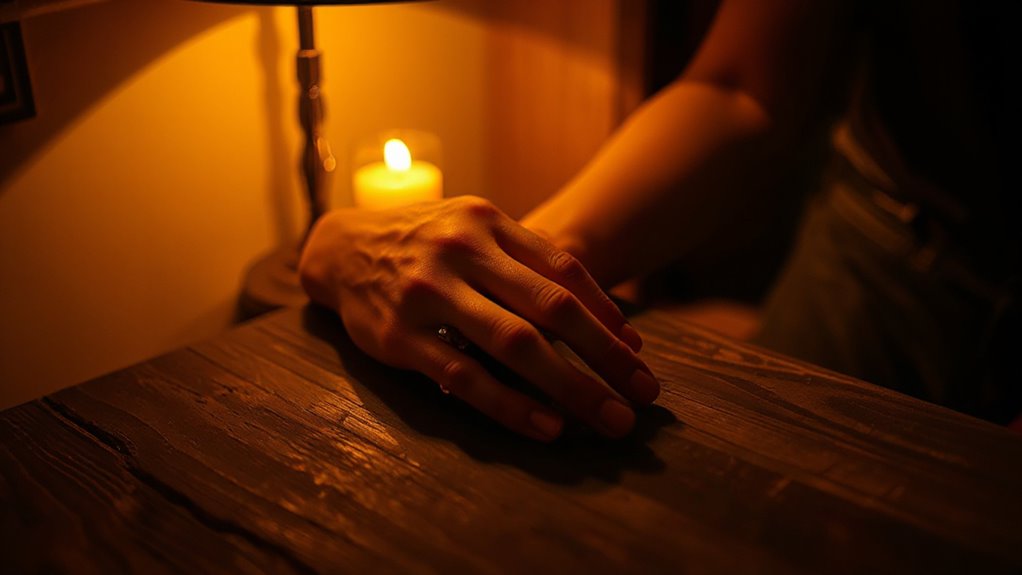

Lighting greatly influences your mood and feelings of intimacy by setting the emotional tone of a space. Bright, white light energizes you and boosts alertness, while softer, warmer lighting helps you relax and feel comfortable. Dimmed or low lighting fosters closeness and privacy, making you feel more connected. Colors like blue promote calmness, whereas red and amber evoke warmth and passion. Exploring how these lighting choices shape your emotional environment can deepen your understanding of your surroundings.

Get gifts for the two of you delivered free with Prime
- Fast, free delivery on millions of items
- Prime Video, Amazon Music and more included
- Member-only deals all year
Key Takeaways
- Bright, white lighting boosts alertness and focus, enhancing mood and productivity in work environments.
- Warm, soft lighting creates cozy, relaxing atmospheres that promote comfort and emotional well-being.
- Dimmed, gentle lighting fosters intimacy by reducing visual clarity and encouraging vulnerability.
- Color temperature influences emotional responses: cooler lights stimulate the mind, warmer lights promote relaxation.
- Adjusting lighting intensity and color can subtly shift feelings, impacting mood and the sense of closeness in relationships.
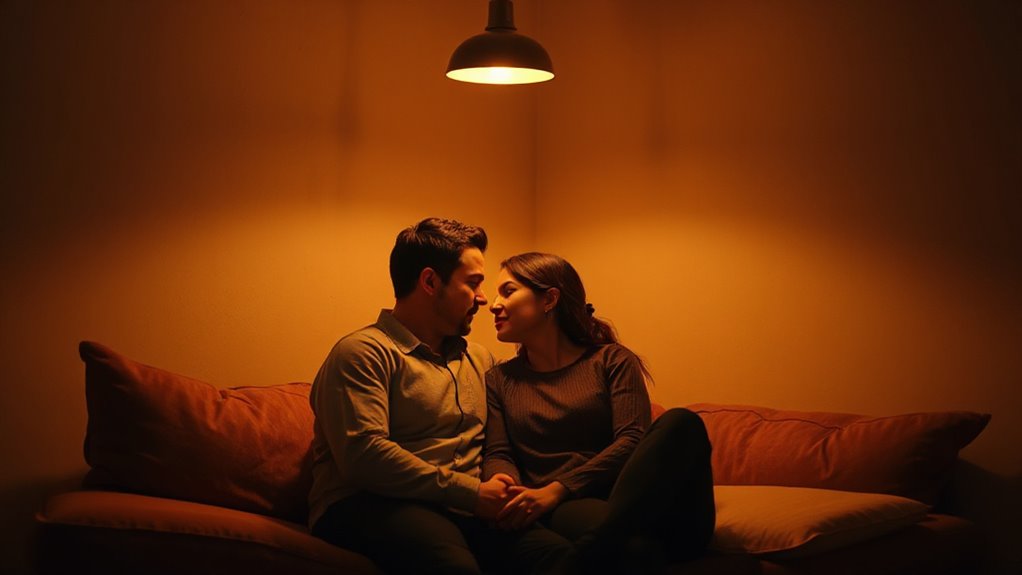
Have you ever noticed how a room’s lighting can instantly change your mood? It’s remarkable how something as simple as adjusting the brightness or color temperature can influence how you feel in a space. Bright, white light can energize you, making you feel alert and ready to tackle tasks. On the other hand, softer, warmer lighting tends to create a sense of comfort and relaxation, encouraging you to unwind and enjoy a calming atmosphere. When you walk into a room, the lighting sets a tone that subtly guides your emotional response without you even realizing it. This is because lighting impacts your brain chemistry, affecting hormones like melatonin and serotonin that regulate your mood and alertness.
In environments where you want to foster productivity, such as a home office or a workspace, you probably prefer brighter lighting. It helps you stay focused and alert, preventing you from feeling sluggish. But if you’re looking to unwind after a long day, dimming the lights or switching to warmer tones can make your space feel more inviting and cozy. The color temperature of your lighting plays a significant role here; cooler lights with bluish hues stimulate your mind, while warmer lights with amber or yellow hues promote relaxation. You might even notice how certain colors in lighting influence your emotions—blue lights can be calming, while red or amber tones might evoke feelings of warmth or passion.
Lighting also impacts intimacy, especially in personal or romantic settings. Soft, low lighting tends to foster closeness because it reduces visual clarity and creates a sense of privacy. When you dim the lights during a romantic evening, it not only softens the environment but also signals a desire for intimacy. This gentle lighting allows you to focus more on your partner’s expressions and touch, intensifying emotional connection. Bright, harsh lights, conversely, can feel sterile or even distracting, making it harder to relax and connect deeply. The subtle interplay of light and shadow encourages vulnerability and openness, helping you feel more at ease to share your feelings.
Ultimately, you have the power to shape your mood and level of intimacy through your lighting choices. By adjusting brightness, color temperature, and even the placement of lights, you can create environments that uplift, soothe, or foster closeness. Small changes in lighting can lead to significant shifts in how you experience your space—and, ultimately, how you feel in it. Recognizing this influence allows you to intentionally craft settings that support your emotional well-being and relationships. Additionally, understanding the effects of contrast ratio can help you optimize your lighting for both comfort and visual clarity.
adjustable dimmable warm white LED lights
As an affiliate, we earn on qualifying purchases.
As an affiliate, we earn on qualifying purchases.
Frequently Asked Questions
Can Specific Light Colors Influence Emotional Responses Differently?
Yes, specific light colors can influence your emotional responses differently. For example, blue lighting often calms and relaxes you, while red lighting can energize or evoke passion. Warm tones like yellow or orange boost your happiness and comfort, whereas cooler shades may promote focus or serenity. You can intentionally choose light colors to set the mood you want, enhancing your emotional experience in any space.
How Does Natural Versus Artificial Lighting Impact Mood?
Like the dawn’s gentle glow awakens hope, natural lighting lifts your mood naturally, boosting energy and positivity. It syncs with your circadian rhythm, helping you feel more alert and balanced. Artificial lighting, however, can sometimes feel sterile or harsh, creating a subdued or anxious atmosphere. You’ll notice that spending time in sunlight often elevates your spirits, while poor artificial lighting can leave you feeling drained or disconnected.
What Lighting Levels Are Best for Enhancing Intimacy?
You should aim for soft, dim lighting to enhance intimacy. Use warm tones like amber or candlelight to create a cozy, inviting atmosphere. Avoid harsh, bright lights that can feel sterile or distracting. Instead, focus on gentle illumination that highlights your space subtly, encouraging closeness and connection. Dimmers or adjustable lamps are perfect tools, allowing you to set the perfect mood for intimate moments.
Do Lighting Preferences Vary Across Different Age Groups?
You might find that lighting preferences do change with age. As the saying goes, “Beauty is in the eye of the beholder,” and what feels cozy to one person may not to another. Younger people often prefer brighter, more energetic lighting, while older individuals tend to favor softer, warmer tones. Your tastes evolve, influenced by changing eyesight, mood, and lifestyle, so pay attention to what makes you feel most comfortable and relaxed.
How Quickly Can Lighting Changes Affect Emotional States?
Lighting changes can influence your emotional state almost instantly, often within seconds. Bright, warm lighting can boost your mood and create a cozy atmosphere, while dim, cool lighting may evoke calmness or sadness. Your brain quickly reacts to these visual cues, adjusting your feelings accordingly. So, by simply changing the lighting in your environment, you can actively and rapidly influence how you feel, making it a powerful tool for setting the right mood.
color changing smart light bulbs
As an affiliate, we earn on qualifying purchases.
As an affiliate, we earn on qualifying purchases.
Conclusion
Lighting truly has the power to shape your mood and deepen intimacy. By adjusting brightness and color, you can create an environment that fosters relaxation or sparks passion. Notably, a study found that 85% of people feel more connected when in warm lighting settings. So, next time you want to boost your mood or intimacy, remember that a simple change in lighting could make all the difference. Your space’s glow can transform your emotional experience effortlessly.
soft ambient lighting for bedroom
As an affiliate, we earn on qualifying purchases.
As an affiliate, we earn on qualifying purchases.
As an affiliate, we earn on qualifying purchases.
Fall Picks
fall essentials
As an affiliate, we earn on qualifying purchases.