

Couples communication tools come in several forms — structured workbooks, habit-based handbooks, research-backed guides, and skill-focused manuals — and the right one depends on how you and your partner learn best. The Complete 30-Day Couples Therapy Workbook stands out as the best overall pick for its short daily format that fits busy schedules while still covering conflict resolution and listening skills. For couples who want a research foundation, The Seven Principles for Making Marriage Work brings decades of clinical study to the page, while Couples Communication Workbook earns the best value spot with a low-commitment 12-day, 20-minute-a-day structure. The main tradeoff in this category is depth versus accessibility: intensive multi-week programs deliver more transformation but demand more from both partners, while lighter guides get used more consistently. Read on for the full breakdown of all 13 options.

Get gifts for the two of you delivered free — and shop member deals
- Fast, free delivery on millions of items
- Access to Prime Big Deal Days deals on October 6–7
- Prime Video, Amazon Music and more included
Key Takeaways
- Short, time-boxed programs (20–30 minutes a day) consistently beat longer workbooks for real-world completion — the 12-day and 30-day formats stood out for couples who’ve abandoned books before.
- Only one pick in this roundup, The Seven Principles for Making Marriage Work, is grounded in published clinical research; every other option relies on therapy-informed exercises rather than original studies.
- Books focused on a single skill, like Communicate Your Feelings (Without Starting a Fight), work better for couples with one specific recurring argument, while broad workbooks suit general disconnection.
- The 150-habit format of The Practical Communication Handbook suits maintenance-mode couples, not couples in active crisis — a distinction most buyers miss when choosing.
- Price differences in this category are small, so format fit matters far more than cost when deciding between these 13 tools.
| The Complete 30-Day Couples Therapy Workbook |  | Best Overall Program | Format: Paperback workbook | Program Length: 30 days | Exercise Frequency: Daily exercises with weekly guided conversations | VIEW LATEST PRICE | See Our Full Breakdown |
| Communication Skills for Couples |  | Best for Conflict-Heavy Couples | Format: Book (strategy guide) | Structure: Thematic chapters, no fixed timeline | Focus Areas: Communication, conflict resolution, intimacy | VIEW LATEST PRICE | See Our Full Breakdown |
| Couples Communication Workbook: 20 Minutes a Day for 12 Days |  | Best for Beginners | Format: Paperback workbook | Program Length: 12 days | Daily Time Required: 20 minutes | VIEW LATEST PRICE | See Our Full Breakdown |
| The Practical Communication Handbook for Couples: 150 Daily Habits | 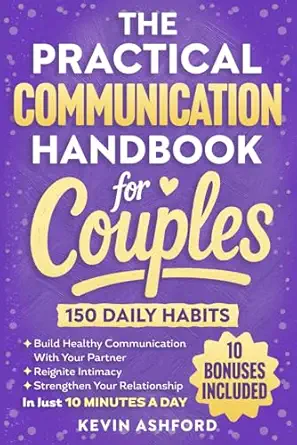 | Best for Gradual, Low-Pressure Change | Format: Paperback handbook | Number of Habits: 150 daily habits | Time Per Exercise: Approximately 10 minutes | VIEW LATEST PRICE | See Our Full Breakdown |
| 8-Week Couples Therapy Workbook |  | Best Middle-Ground Program | Format: Paperback workbook | Program Length: 8 weeks | Exercise Frequency: Weekly structured exercises | VIEW LATEST PRICE | See Our Full Breakdown |
| Reconnect: A Marriage Counseling Workbook |  | Best for Emotional Reconnection | Format: Paperback workbook | Approach: Guided conversations and exercises | Primary Focus: Communication and emotional reconnection | VIEW LATEST PRICE | See Our Full Breakdown |
| Love More, Fight Less: Communication Skills Every Couple Needs | 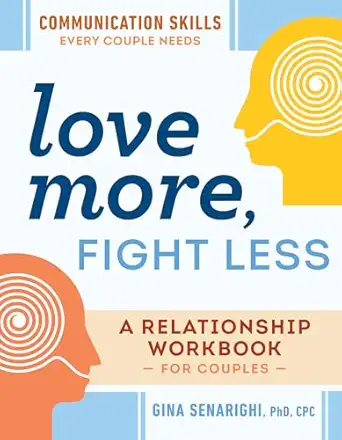 | Best for Conflict-Prone Couples | Format: Relationship workbook | Approach: Practical exercises and insights | Primary Focus: Conflict resolution and mutual understanding | VIEW LATEST PRICE | See Our Full Breakdown |
| The Couples Communication Handbook: The Skills You Never Learned for the Marriage You Always Wanted |  | Best Skills-First Read | Format: Paperback handbook | Approach: Practical communication strategies | Primary Focus: Foundational communication skills | VIEW LATEST PRICE | See Our Full Breakdown |
| The Seven Principles for Making Marriage Work: A Practical Guide from the Country’s Foremost Relationship Expert |  | Best Research-Backed Authority | Format: Paperback guide | Author: John Gottman, PhD | Approach: Research-based principles with actionable strategies | VIEW LATEST PRICE | See Our Full Breakdown |
| Communicate Your Feelings (Without Starting a Fight): What to Say and What Not to Say to Your Partner |  | Best for Individual Self-Help | Format: Paperback / digital self-help book | Approach: Phrasing guidance — what to say and avoid | Primary Focus: Expressing feelings constructively | VIEW LATEST PRICE | See Our Full Breakdown |
| The Two-Pen Relationship Workbook for Couples |  | Best for Busy Couples | Format: Workbook | Program Length: 8 weeks | Session Duration: Approximately 15 minutes | VIEW LATEST PRICE | See Our Full Breakdown |
| The Couples Communication Handbook: Your Roadmap to Stronger, Healthier Communication and Deeper Connection |  | Best Low-Commitment Starting Point | Format: Handbook (reading-focused) | Program Length: Self-paced, no fixed timeline | Exercise Style: Strategy guidance, no required exercises | VIEW LATEST PRICE | See Our Full Breakdown |
| Relationship Workbook for Couples: 8-Week Program and Proven Strategies to Rebuild Trust, Resolve Conflict, Improve Communication, and Rekindle Intimacy |  | Best for Rebuilding After a Rough Patch | Format: Workbook | Program Length: 8 weeks | Exercise Style: Practical exercises and guided reflections | VIEW LATEST PRICE | See Our Full Breakdown |
| couples communication tool | Format | Approach |
|---|---|---|
| The Complete 30-Day Couples Th | Paperback workbook | Science-backed exercises |
| Communication Skills for Coupl | Book (strategy guide) | Practical strategies and techniques |
| Couples Communication Workbook | Paperback workbook | — |
| The Practical Communication Ha | Paperback handbook | — |
| 8-Week Couples Therapy Workboo | Paperback workbook | Therapy-style strategies and exercises |
| Reconnect: A Marriage Counseli | Paperback workbook | Guided conversations and exercises |
| Love More | Relationship workbook | Practical exercises and insights |
| The Couples Communication Hand | Paperback handbook | Practical communication strategies |
| The Seven Principles for Makin | Paperback guide | Research-based principles with actionable strategies |
| Communicate Your Feelings | Paperback / digital self-help book | Phrasing guidance — what to say and avoid |
| The Two-Pen Relationship Workb | Workbook | — |
| The Couples Communication Hand | Handbook (reading-focused) | — |
| Relationship Workbook for Coup | Workbook | Repair-oriented, strategy-driven |
More Details on Our Top Picks
The Complete 30-Day Couples Therapy Workbook
Of the time-boxed workbooks in this category, this one stands out for matching structure with depth. The 30-day format gives couples a full month to practice new habits, where the 20-minute, 12-day format of the Couples Communication Workbook ends just as patterns start to shift. Daily exercises paired with weekly guided conversations mean partners alternate between solo reflection and real dialogue, which mirrors how actual therapy homework works. The science-backed framing also gives it more credibility than lighter guides like Communication Skills for Couples, which leans practical but skips the research grounding. The tradeoff is commitment: a month of daily work is a real ask for couples with unpredictable schedules or those already skeptical of workbook exercises. Partners who want a quick fix should look elsewhere, but those wanting a durable reset will find this the most complete program of the bunch.
Pros:- Full month of daily exercises builds lasting habits rather than one-off insights
- Weekly guided conversations turn solo reflection into real dialogue
- Science-backed approach adds credibility beyond anecdotal advice
- Covers communication, trust, and connection together rather than one narrow skill
Cons:- 30-day commitment is demanding for couples with erratic schedules
- Newer release with limited customer feedback to verify results
- Pace may feel slow for couples in active crisis who need faster relief
Best for: Motivated couples ready to commit a full month to rebuilding how they talk to each other
Not ideal for: Busy or skeptical partners who will abandon a 30-day daily commitment halfway through
- Format:Paperback workbook
- Program Length:30 days
- Exercise Frequency:Daily exercises with weekly guided conversations
- Focus Areas:Communication, trust, relationship strength
- Approach:Science-backed exercises
- Audience:Committed couples seeking structured improvement
Our verdict“This is the pick for couples who want a therapy-style program with enough runway to actually change habits.”
Communication Skills for Couples
Where most entries in this roundup are workbooks, this is a straight strategy guide, and that difference matters. Couples locked in recurring arguments often can’t stomach daily homework; they need frameworks for the fight they’re having tonight. This book front-loads conflict resolution techniques alongside intimacy-building, making it a better fit for high-friction relationships than the gentler, habit-focused Practical Communication Handbook for Couples. Compared with the 8-Week Couples Therapy Workbook, it trades a structured timeline for on-demand reference — you read the chapter you need, when you need it. The drawbacks are real: with no page count or detailed contents listed, it’s hard to gauge depth before buying, and it lacks the accountability of scheduled exercises. Some readers may also find a skills-only book too shallow if their conflicts stem from deeper trust ruptures.
Pros:- Conflict resolution is treated as the primary skill, not a side topic
- Reference format lets couples jump straight to relevant chapters mid-struggle
- Pairs communication tactics with intimacy-building for a fuller picture
- No daily time commitment required to benefit
Cons:- No page count or detailed content information available before purchase
- No customer ratings to gauge real-world effectiveness
- Lacks the guided structure that drives behavior change in workbook formats
Best for: Couples stuck in repetitive arguments who want techniques they can apply immediately, not homework
Not ideal for: Couples needing accountability and structure, since there’s no program or schedule to follow
- Format:Book (strategy guide)
- Structure:Thematic chapters, no fixed timeline
- Focus Areas:Communication, conflict resolution, intimacy
- Time Commitment:Self-paced reading
- Approach:Practical strategies and techniques
- Audience:Couples in recurring conflict
Our verdict“A sensible choice for argument-prone couples who want read-as-needed tactics over a scheduled program.”
Couples Communication Workbook: 20 Minutes a Day for 12 Days
This is the lowest-commitment entry point in the roundup, and that’s its whole value proposition. Twenty minutes a day for 12 days is a bite-sized ask compared with the month-long push of The Complete 30-Day Couples Therapy Workbook, making it ideal for partners who are hesitant, busy, or new to the idea of relationship exercises altogether. The emphasis on listening skills also differentiates it — most competitors, like Communication Skills for Couples, jump to talking and conflict tactics, while this starts with hearing your partner properly. The tradeoff is depth: 12 days is barely enough to scratch new patterns, and the book itself admits limits with minimal supplementary resources beyond the core exercises. Couples with serious entrenched issues will outgrow it quickly. But as a first step or a re-engagement tool for a couple that’s drifted, the short runway is a feature, not a flaw.
Pros:- 20-minute daily sessions fit into even the busiest routines
- 12-day timeline is unintimidating for workbook skeptics
- Listening skills get primary focus, a rarity in this category
- Low total time investment lowers the barrier to starting at all
Cons:- Short program limits depth and lasting behavior change
- Lacks detailed instructions and supplementary resources
- No customer ratings available to verify results
Best for: Hesitant or time-strapped couples trying their first relationship workbook together
Not ideal for: Couples with deep-seated conflict who need more than 12 days of surface-level exercises
- Format:Paperback workbook
- Program Length:12 days
- Daily Time Required:20 minutes
- Focus Areas:Listening, conflict resolution, relationship strength
- Total Time Investment:Approximately 4 hours
- Audience:Beginners and busy couples
Our verdict“The easiest on-ramp for couples who want to test whether guided exercises work for them.”
The Practical Communication Handbook for Couples: 150 Daily Habits
Rather than a fixed program, this handbook offers 150 discrete daily habits, each doable in about 10 minutes — a pick-and-choose model that contrasts with the linear programs elsewhere in this roundup. Where the 8-Week Couples Therapy Workbook says ‘do week three this week,’ this book lets a couple adopt one habit at a time, which suits partners who bristle at being told what to do and when. The sheer volume means couples can customize their own path, doubling down on habits that click and skipping ones that don’t. That flexibility is also the weakness: with no sequence or progression, couples can cherry-pick easy habits and avoid the harder work, and limited content details make it hard to judge quality before buying. Compared with the structured 30-Day Couples Therapy Workbook, it trades momentum for autonomy — a worthwhile swap for self-directed couples only.
Pros:- 150 habits offer variety and customization no single-program book matches
- 10-minute exercises are among the smallest daily commitments in the category
- Habits can be adopted gradually without program pressure
- Doubles as a long-term reference rather than a one-time read
Cons:- No structured progression, so couples can skip the harder work
- Content details are thin, making depth hard to judge pre-purchase
- Habit overload may feel scattered compared with sequenced workbooks
Best for: Self-directed couples who prefer choosing their own habits over following a prescribed program
Not ideal for: Couples who need external structure and momentum, since 150 loose habits are easy to cherry-pick and abandon
- Format:Paperback handbook
- Number of Habits:150 daily habits
- Time Per Exercise:Approximately 10 minutes
- Structure:Non-sequential, pick-and-choose format
- Focus Areas:Communication, intimacy, relationship strength
- Audience:Self-directed couples
Our verdict“Best for couples who want a menu of small daily habits they can assemble into their own routine.”
8-Week Couples Therapy Workbook
This workbook occupies the sweet spot between sprint and marathon: eight weeks is long enough for genuine pattern change, yet far less intimidating than it sounds because the work is organized weekly rather than daily. Compared with the 30-Day Couples Therapy Workbook, the weekly cadence gives couples breathing room — useful when one partner travels for work or life intervenes — while still maintaining more continuity than the 12-day sprint of the Couples Communication Workbook. Its emphasis on emotional intimacy alongside communication skills also makes it a stronger fit for couples who feel disconnected but don’t necessarily fight much, a gap the conflict-focused books in this roundup leave open. The tradeoffs: weekly structure means less daily reinforcement, so momentum can stall between sessions, and like several newer entries here, there are no customer ratings to lean on. Content details are also sparse relative to better-established competitors.
Pros:- Weekly format fits irregular schedules better than daily programs
- Eight weeks allows deeper work than short-format workbooks
- Emotional connection gets equal weight with communication skills
- Balanced pacing reduces burnout risk
Cons:- Weekly cadence makes it easy to postpone or skip sessions
- No customer ratings and limited content details available
- Less daily reinforcement than 30-day style programs
Best for: Couples who feel emotionally distant and want steady weekly work without a daily obligation
Not ideal for: Couples needing daily reinforcement to build momentum, since weekly sessions are easier to postpone
- Format:Paperback workbook
- Program Length:8 weeks
- Exercise Frequency:Weekly structured exercises
- Focus Areas:Communication, emotional intimacy, connection
- Approach:Therapy-style strategies and exercises
- Audience:Couples seeking deeper emotional connection
Our verdict“A balanced choice for disconnected couples who want meaningful depth on a forgiving weekly schedule.”
Reconnect: A Marriage Counseling Workbook
While most workbooks in this roundup chase better arguments, Reconnect aims at something quieter: rebuilding the feeling of actually liking each other. Its guided conversations and paired exercises are designed for couples who still communicate fine on logistics but have drifted emotionally — a different mission than the conflict-focused drills in Love More, Fight Less.
The tradeoff is real: this is a commitment-based book. Couples expecting the quick daily-bite format of the Couples Communication Workbook: 20 Minutes a Day may find these exercises feel more like homework than a habit. And with limited review data available, buyers are trusting the structure on faith rather than crowd validation. This pick makes the most sense for couples past the crisis stage who want depth over speed.
Pros:- Guided conversation prompts do the heavy lifting for couples who don’t know where to start
- Built around emotional reconnection, not just conflict tactics
- Exercises support long-term relationship building rather than one-off fixes
- Workbook format keeps both partners actively participating
Cons:- Requires sustained commitment — incomplete if only one partner engages
- Sparse review data makes it harder to gauge real-world results compared to better-established titles
Best for: Long-term couples who feel emotionally distant rather than constantly fighting and want structured exercises to rebuild closeness
Not ideal for: Couples in acute conflict who need immediate de-escalation tactics — this workbook assumes a baseline of goodwill
- Format:Paperback workbook
- Approach:Guided conversations and exercises
- Primary Focus:Communication and emotional reconnection
- Time Commitment:Multi-week exercise program
- Participation:Designed for both partners
- Best Use Case:Long-term relationship maintenance
Our verdict“Choose this if distance, not daily fights, is the problem — and skip it if you want fast conflict scripts instead of deep exercises.”
Love More, Fight Less: Communication Skills Every Couple Needs
Of the two Rodale-style workbooks in this batch, Love More, Fight Less earns its spot by aiming squarely at the couple whose arguments go sideways. Where Reconnect assumes relative peace and works on closeness, this one is built around resolving conflicts effectively — scripts, exercises, and frameworks for the moments when things heat up.
Compared with The Seven Principles for Making Marriage Work, this is the more practical, exercise-driven sibling: less theory about why marriages fail, more repetition of skills you practice together. The compromise is depth. Couples dealing with serious underlying issues like betrayal or chronic resentment will likely need something heavier, and the active-participation requirement means a checked-out partner turns this into a very short book.
Pros:- Practical exercises target conflict resolution directly rather than abstractly
- Strengthens overall bond while teaching disagreement skills
- Accessible enough for couples new to relationship books
- Balanced skill-building rather than one-note advice
Cons:- Demands genuine time and participation from both partners
- Lighter on theory, which may frustrate readers who want to understand root causes
Best for: Couples who fight often and badly and want hands-on exercises to change how arguments unfold
Not ideal for: Couples facing deep trust breaches — this teaches better fights, not repair from serious harm
- Format:Relationship workbook
- Approach:Practical exercises and insights
- Primary Focus:Conflict resolution and mutual understanding
- Participation:Active, both-partner exercises
- Difficulty Level:Beginner-friendly
- Best Use Case:High-conflict couples
Our verdict“The right pick if recurring fights are your core problem and you’d rather practice skills than read research.”
The Couples Communication Handbook: The Skills You Never Learned for the Marriage You Always Wanted
The subtitle tells you the angle: this handbook assumes nobody ever taught you foundational communication skills and starts from zero. That makes it a stronger entry point than Love More, Fight Less for couples who want to understand the basics — listening, expressing needs, avoiding common traps — before jumping into conflict drills.
Its honest weakness in this lineup is track record. It shares a title with another Couples Communication Handbook already in this roundup, which invites confusion when ordering, and it arrives with little review history compared to vetted staples like The Seven Principles for Making Marriage Work. Readers who want proven authority should weigh that carefully. But for a skills-first, read-together approach without workbook homework, it fills a real gap between pure theory and exercise-heavy workbooks.
Pros:- Teaches foundational skills from first principles rather than assuming prior knowledge
- Reads like a handbook, so no workbook-style homework required
- Covers understanding, connection, and long-term relationship maintenance
- Approachable for couples intimidated by clinical texts
Cons:- Shares its title with another book in the same category, creating ordering mix-ups
- Minimal review data makes quality hard to verify against established titles
Best for: Couples who skipped relationship books until now and want a readable primer on basic communication skills
Not ideal for: Buyers who want social proof first — the thin review base and title confusion make this a leap of faith
- Format:Paperback handbook
- Approach:Practical communication strategies
- Primary Focus:Foundational communication skills
- Homework Required:No — read-together format
- Difficulty Level:Beginner
- Best Use Case:Couples new to communication books
Our verdict“A reasonable first communication book to read together, provided you’re comfortable choosing it before the crowd has weighed in.”
The Seven Principles for Making Marriage Work: A Practical Guide from the Country’s Foremost Relationship Expert
If credibility matters most to you, this is the anchor of the entire roundup. John Gottman’s research base — decades of observing real marriages — puts this book in a different category than newer workbooks like Reconnect or Love More, Fight Less, which borrow heavily from findings Gottman popularized. You’re getting the primary source, with actionable principles covering communication, intimacy, and conflict resolution.
The tradeoff is pace and format. This is more read than do: compared with the daily-exercise structure of the Couples Communication Workbook: 20 Minutes a Day, implementation falls on you. Couples who thrive on guided worksheets may finish it informed but unchanged, and anyone hoping for a fast fix will find the principles demand sustained effort. That said, for understanding why marriages succeed or fail, nothing else in this lineup competes.
Pros:- Grounded in decades of clinical research rather than opinion
- Written by arguably the most recognized relationship researcher alive
- Covers communication, intimacy, and conflict in one framework
- Principles remain relevant across relationship stages
Cons:- Implementation is self-directed — no built-in exercise cadence
- Too slow-moving for couples seeking immediate scripts or quick fixes
Best for: Readers who want evidence-based understanding of what makes marriages work, from the researcher who defined the field
Not ideal for: Couples who need structured daily exercises — the motivation to apply these principles must come from you
- Format:Paperback guide
- Author:John Gottman, PhD
- Approach:Research-based principles with actionable strategies
- Primary Focus:Communication, intimacy, conflict resolution
- Evidence Base:Decades of observational marital research
- Homework Required:Self-directed application
- Best Use Case:Couples wanting depth and evidence
Our verdict“The foundational read if you want to understand marriage scientifically before — or instead of — doing workbook homework.”
Communicate Your Feelings (Without Starting a Fight): What to Say and What Not to Say to Your Partner
Every other book in this roundup assumes two willing participants. This one doesn’t — and that’s its defining strength. Communicate Your Feelings works for the solo reader whose partner won’t touch a couples workbook, teaching what to say and what not to say so one person can change the dynamic alone.
Compared with The Couples Communication Handbook, this is narrower and more tactical: less about relationship architecture, more about phrasing hard feelings without triggering defensiveness. That specificity is also its limit. It won’t substitute for The Seven Principles for Making Marriage Work if you want a full framework, the content depth isn’t well documented, and the thin review history means you’re gambling somewhat on fit. As a targeted fix for one common failure mode, though, it earns its slot.
Pros:- Usable by one partner without requiring the other’s participation
- Concrete say-this-not-that guidance for emotionally charged moments
- Narrow focus makes it quick to read and apply
- Supports individual emotional wellness alongside relationship improvement
Cons:- Content depth is poorly documented, making value hard to judge in advance
- Too narrow to serve as a complete relationship communication resource
- Limited review data compared to category staples
Best for: One partner working alone — especially anyone who bottles up feelings or sparks fights when expressing them
Not ideal for: Couples wanting a shared program — this is single-reader advice, not paired exercises
- Format:Paperback / digital self-help book
- Approach:Phrasing guidance — what to say and avoid
- Primary Focus:Expressing feelings constructively
- Participation:Single reader; no partner required
- Scope:Narrow, tactical
- Best Use Case:Solo reader improving emotional expression
Our verdict“Buy this solo if you’re the only one trying right now and need scripts for hard conversations without the blowup.”
The Two-Pen Relationship Workbook for Couples
What sets this workbook apart from nearly everything else in this roundup is its 15-minute side-by-side format. Where Relationship Workbook for Couples asks partners to work through reflections on trust and intimacy, this one is built around short, simultaneous exercises both people do together in real time — no long journaling sessions, no waiting for your partner to finish a chapter. That structure makes consistency realistic for couples whose calendars rarely align.
The 8-week progression moves gradually from basic trust-building toward conflict resolution and closeness, which I’d argue works better than jumping straight into hard conversations. The tradeoff is real, though: unlike lighter reads such as Communication Skills for Couples, this only delivers results if both partners show up every week. One motivated partner carrying an unmotivated one will stall quickly. It also lacks verified reader feedback, so you’re buying on structure alone.
Pros:- 15-minute exercises fit into even the busiest schedules
- Side-by-side format keeps both partners actively engaged rather than passively reading
- Structured 8-week arc builds skills gradually instead of overwhelming couples upfront
- Focuses on trust, conflict resolution, and closeness — the core pillars of couples communication
Cons:- Requires a genuine time commitment from both partners every week
- No detailed content previews or customer reviews available to verify quality
Best for: Busy dual-career couples who want a low time-commitment, structured program they can actually stick to together
Not ideal for: Couples where only one partner is willing to do workbook exercises — the two-pen format collapses without full participation
- Format:Workbook
- Program Length:8 weeks
- Session Duration:Approximately 15 minutes
- Exercise Style:Side-by-side interactive exercises
- Core Focus Areas:Trust, conflict resolution, closeness
- Participation Required:Both partners
Our verdict“Couples who struggle to find shared time but still want structured communication work will get the most from this workbook’s short, paired format.”
The Couples Communication Handbook: Your Roadmap to Stronger, Healthier Communication and Deeper Connection
Not every couple is ready to commit to an 8-week program like The Two-Pen Relationship Workbook or Relationship Workbook for Couples, and this handbook fills that gap. It’s a reading-first approach: practical strategies for better conversations and emotional connection that you can absorb at your own pace, without homework deadlines or fill-in-the-blank exercises. For a couple where one partner is skeptical about ‘doing a workbook,’ handing them a readable roadmap is often the easier sell.
Compared with Communication Skills for Couples, another strategy-focused title in this space, this one leans more heavily into emotional connection as the foundation for communication rather than treating conflict tactics in isolation. The honest drawback is the flip side of its flexibility — no structured practice plan means no accountability, and readers who finish it without applying the strategies may see little change. It also ships without reviews or clearly differentiated editions, so content depth is somewhat of an unknown.
Pros:- Self-paced format with no weekly commitment or homework pressure
- Practical, applicable communication strategies rather than abstract theory
- Pairs communication skills with emotional connection work
- Gentle entry point for skeptical partners resistant to formal workbooks
Cons:- No built-in exercises or accountability, so application depends entirely on the reader
- No customer reviews or detailed edition information available to gauge depth
Best for: Couples new to relationship books who want digestible strategies without committing to a multi-week exercise program
Not ideal for: Couples in active crisis who need guided structure and accountability — a self-paced read offers neither
- Format:Handbook (reading-focused)
- Program Length:Self-paced, no fixed timeline
- Exercise Style:Strategy guidance, no required exercises
- Core Focus Areas:Communication skills, emotional connection, conflict resolution
- Participation Required:Flexible — works for solo reading or as a couple
Our verdict“A sensible first step for couples who want to understand communication principles before committing to a structured workbook.”
Relationship Workbook for Couples: 8-Week Program and Proven Strategies to Rebuild Trust, Resolve Conflict, Improve Communication, and Rekindle Intimacy
This is the most repair-oriented workbook in this batch. While The Two-Pen Relationship Workbook assumes a relationship that’s fundamentally sound and wants to get stronger, this title is aimed squarely at couples emerging from conflict, distance, or broken trust. Its 8-week program explicitly sequences trust rebuilding, conflict resolution, and rekindled intimacy — a heavier agenda than maintenance-focused alternatives like the 8-Week Couples Therapy Workbook, which centers on connection and communication more broadly.
The practical exercises and reflections give couples concrete things to do rather than just concepts to read, which matters when emotions are raw and vague advice falls flat. The tradeoff is intensity: an 8-week commitment tackling trust and intimacy is demanding, and couples who only want lighter communication tuning will find it heavier than needed — Love More, Fight Less covers similar ground in a less programmatic way. It also launches without reader reviews, so proven results are the publisher’s claim, not a verified track record.
Pros:- Explicitly targets trust rebuilding, not just everyday communication polish
- Full 8-week structure creates momentum through difficult emotional territory
- Combines conflict resolution with intimacy rekindling in one program
- Reflection-based exercises suit couples who prefer written processing over discussion-only formats
Cons:- Demands sustained 8-week commitment from both partners during an already stressful period
- No detailed content samples or customer reviews to verify the ‘proven strategies’ claim
Best for: Couples recovering from a breach of trust, repeated conflict, or emotional distance who want a structured repair program
Not ideal for: Happy couples doing routine maintenance — the trust-repair focus is more intensity than the situation calls for
- Format:Workbook
- Program Length:8 weeks
- Exercise Style:Practical exercises and guided reflections
- Core Focus Areas:Trust rebuilding, conflict resolution, communication, intimacy
- Approach:Repair-oriented, strategy-driven
- Participation Required:Both partners
Our verdict“The right pick for couples in repair mode who need a structured, exercise-driven path back to trust and intimacy.”

How We Picked
I evaluated each of these 13 tools against the criteria that actually predict whether a couples communication book gets used: time commitment per day, structure and pacing, evidence base behind the advice, and usability for two people working through it together. A brilliant workbook that sits unread helps no one, so I weighted realistic daily time demands heavily — 20-minute formats scored well, while open-ended programs with unclear pacing ranked lower for beginners. I also looked at whether each tool targets a specific communication failure (fighting, listening, trust repair) or takes a generalist approach, since mismatched scope is the most common reason couples abandon these books.
The ranking logic favors balance: the top picks combine proven frameworks, manageable commitment, and exercises two people can actually complete together. Mid-tier picks excel in one dimension — depth, affordability, or single-skill focus — but ask more of the reader or cover narrower ground. I compared each option against its closest neighbors in the lineup to confirm that every recommendation serves a distinct type of couple, from crisis-mode pairs to maintenance-mode partners who just want better daily habits.
Factors to Consider When Choosing Couples Communication Tools
Before picking a specific title, it helps to understand what separates a workbook that transforms how you talk from one that gathers dust. These are the factors that matter most when comparing couples communication tools.Daily Time Commitment and Program Length
The single biggest predictor of success with any couples communication tool is whether both partners will actually stick with it. A 12-day program at 20 minutes a day asks roughly four hours of your relationship; an 8-week workbook can demand 15–20 hours. Couples routinely overestimate their available energy, especially in the evening when resentment or exhaustion is highest. My advice: choose the shortest program that addresses your problem, then graduate to something longer only if you finish it and want more. Many couples buy the biggest, most thorough workbook on the shelf as a gesture of commitment, then quit by week two — which can feel worse to a struggling partner than not starting at all.
Structured Program Versus Reference Guide
These 13 tools fall into two camps: sequenced programs with a defined start and finish, and habit-based handbooks you dip into as needed. Sequenced programs build skills progressively and work well when both partners agree the relationship needs work. Reference guides and daily-habit formats suit couples who are doing okay but want to prevent drift. The mistake I see most often is buying a sequential 8-week program when only one partner is motivated — the structure becomes a chore and a source of new conflict. If buy-in is uneven, a lighter habit guide or a skill-specific book is the safer entry point.
Research Base Versus Practice-Based Advice
Most communication workbooks synthesize techniques from established therapy models — Gottman methods, attachment theory, nonviolent communication — without citing original research. That’s not automatically a weakness; a well-designed exercise matters more than footnotes. But couples dealing with serious issues like repeated contempt, stonewalling, or betrayal should weight books with a stronger clinical foundation, since those tools address the specific dynamics research links to relationship failure. Casual readers may find heavily research-based books denser and less immediately actionable. Know which reader you are before you pay for depth you won’t use.
Matching the Tool to Your Specific Problem
Communication failure isn’t one problem — it’s several. Couples who fight explosively need de-escalation scripts, not intimacy exercises. Couples who’ve gone quiet and distant need reconnection prompts, not conflict frameworks. Couples recovering from a breach of trust need repair-focused material, which only a couple of the workbooks in this category genuinely cover. Before buying, name your top recurring argument or your most painful pattern in one sentence, then check whether the book’s table of contents addresses it directly. General-purpose workbooks sell best but help least when a specific wound is driving the disconnection.
Format and Usability for Two People
Some workbooks are designed to be written in by both partners, with paired exercises and alternating prompts; others read like self-help books with reflection questions bolted on. The two-pen and paired-journal formats force genuine dialogue, which is where most communication change happens. Passive reading lets each partner privately agree with the book while changing nothing in conversation. Consider also whether you’ll do exercises together in one sitting or separately and compare notes — some formats support one mode far better than the other.
When to Skip Books and Seek a Therapist
Every tool in this roundup is a self-help product, and self-help has limits. If communication breakdowns come with contempt, ongoing affairs, addiction, or any safety concern, a workbook is not the right instrument — a licensed couples therapist is. Books also work best as prevention or early intervention, before negative patterns calcify. That said, workbooks make an excellent supplement to therapy: many therapists assign exactly these kinds of exercises as homework. A reasonable rule is to give a well-matched book four to six weeks of genuine effort; if things worsen or stall, escalate to professional help rather than buying a second book.
Frequently Asked Questions
What’s the difference between a couples therapy workbook and a communication skills book?
A therapy workbook is structured like a treatment program — sequenced exercises, reflection prompts, and a defined arc from assessment to repair, often mirroring what a counselor would assign as homework. A communication skills book teaches concepts and techniques you read and apply conversationally, usually without written exercises. Workbooks force active participation from both partners, which tends to produce faster change but requires real buy-in. Skills books are gentler entry points for a skeptical partner who resists ‘doing work’ on the relationship. If one partner is hesitant, start with a skills book like Love More, Fight Less and move to a workbook format once both of you are engaged.
How long should a couples communication program be to actually work?
Shorter than most couples assume. Research on habit formation and the completion rates of self-guided programs both suggest that daily sessions of 15–30 minutes sustained for two to four weeks hit the sweet spot — long enough to build new conversational reflexes, short enough that busy or resistant partners finish. The 12-day and 30-day formats in this roundup exist precisely because 8-week programs see heavy drop-off after the first two weeks. An 8-week program is worth it only if you’ve already completed a shorter one and want to go deeper. If you’ve abandoned relationship books before, buy the shortest option that addresses your issue.
Can these workbooks help if only one partner is willing to do them?
Partially, and it’s worth being honest about the limits. One partner working through a communication book can change their side of the dynamic — softer start-ups to disagreements, better listening, fewer inflammatory phrasings — and that alone often shifts the pattern, because communication is a two-person loop. What a solo reader can’t do is force joint exercises, structured dialogues, or trust-repair work that requires both people’s participation. If you’re buying solo, choose a skills-focused book over a paired workbook, since workbooks assume two sets of hands and two pens. And if your partner refuses any form of engagement for months on end, that refusal is itself information worth discussing with a professional.
Are expensive premium workbooks better than budget options in this category?
Almost never, and this is a category where price is a poor quality signal. Most of these tools sit in a narrow price band, and the differences that matter — pacing, exercise design, problem fit — don’t correlate with cost. A research-backed classic often costs less than a glossy new release with weaker content. Where premium versions earn their price is in physical format: lay-flat bindings, space for two partners to write, and durable pages matter for books you’ll actually write in together. My suggestion is to pick based on format and problem fit first, then let price be the tiebreaker rather than the starting filter.
Is a workbook enough for serious problems like lost trust or constant fighting?
It depends on severity. Frequent but non-hostile fighting often responds well to self-guided work, especially books built around de-escalation scripts and fair-fighting rules. Lost trust after a specific breach — deception, infidelity, broken commitments — is harder; only workbooks explicitly structured around trust repair, like the 8-week Relationship Workbook for Couples, are built for that, and even they work best alongside professional support. If fights involve contempt, threats, or fear, a workbook is the wrong tool entirely and a licensed couples therapist should come first. Think of these books as prevention and early intervention, with therapy as the escalation path when patterns are deep or safety is in question.
Conclusion
The right pick here depends less on budget and more on where your relationship is right now. For most couples, The Complete 30-Day Couples Therapy Workbook is the best overall choice — it balances daily structure, science-informed exercises, and a realistic monthly commitment. Budget-conscious buyers or couples testing the waters should grab the Couples Communication Workbook, whose 12-day, 20-minute format delivers the best value and the lowest risk of abandonment. For the premium, research-grounded option, The Seven Principles for Making Marriage Work remains the category’s most credible title and rewards couples willing to read seriously. Beginners — especially pairs where one partner is skeptical — should start with Love More, Fight Less or Communicate Your Feelings (Without Starting a Fight), which teach core skills without demanding workbook buy-in. Couples with a specific wound should match the tool to the problem: Reconnect or the Relationship Workbook for Couples for trust repair, and The Practical Communication Handbook for stable couples who just want better daily habits. Whatever you choose, the couples who benefit most are the ones who pick one tool and finish it together.
Fall Picks
fall essentials
As an affiliate, we earn on qualifying purchases.