
Shared seating encourages you to connect with others by creating a cozy environment that promotes conversation and eye contact. Sitting close helps break down social barriers and fosters spontaneity, making interactions more genuine. It also boosts empathy, as you become more aware of body language and emotions. By bringing diverse people together, shared seating builds inclusivity and strengthens relationships. Want to discover practical ways to harness these benefits? Keep exploring how shared seating can transform your social bonds.
Key Takeaways
- Shared seating fosters spontaneous conversations, strengthening personal connections through proximity.
- It encourages teamwork and collaboration by enabling quick idea exchange.
- Sitting close enhances empathy by increasing awareness of body language and emotions.
- It promotes inclusivity by bringing diverse groups together, building mutual understanding.
- Shared seating creates memorable social experiences, boosting sense of community and belonging.

Shared seating isn’t just about saving space; it’s a powerful way to foster connection and build bonds among people. When you sit close to others, you naturally create an environment that encourages interaction, conversation, and shared experiences. Instead of feeling isolated or distant, you become part of a communal setting that invites engagement. This proximity can help break down barriers, making it easier to connect on a personal level. Whether you’re in a classroom, a café, or a waiting area, shared seating promotes a sense of togetherness that’s often missing in more isolated arrangements.
Shared seating fosters connection, encourages interaction, and creates a sense of community by bringing people closer together.
By sitting side by side, you’re more likely to initiate eye contact and casual conversations. These small interactions can grow into meaningful exchanges, strengthening relationships over time. For example, in a shared workspace, sitting near colleagues allows you to exchange quick ideas or offer support without the formality of scheduled meetings. These spontaneous moments of communication foster teamwork and camaraderie, which ultimately enhance your work environment. In social settings like parks or events, shared seating encourages strangers to open up, share stories, and find common ground. This shared experience can dissolve social barriers and create a feeling of belonging.
Shared seating also promotes empathy and understanding. When you’re physically close to someone, you’re more aware of their body language and emotions. This heightened awareness can lead to more compassionate interactions, whether you’re offering a comforting gesture or simply listening attentively. It reminds you that everyone has a story and that bonds can form through simple acts of kindness. Additionally, shared seating often involves less formal structure, allowing for more relaxed conversations. This informality helps people feel comfortable and more willing to reveal their authentic selves, fostering genuine connections.
Furthermore, shared seating encourages inclusivity. It can bring together diverse groups of people who might not otherwise interact. As you share a space, you’re more likely to notice commonalities rather than differences, paving the way for new friendships and collaborations. Over time, this sense of community can extend beyond the seating arrangement, creating a more welcoming and cohesive environment. Whether you’re in a classroom, a conference, or a recreational area, shared seating helps cultivate a culture of openness and mutual respect.
Another benefit is that shared seating can enhance the overall experience by allowing people to enjoy the local flavors and ambiance of the environment, making social interactions more enjoyable and memorable. In essence, shared seating isn’t just practical—it’s a meaningful tool for building bonds. By sitting close to others, you open doors to communication, empathy, and understanding. It’s a simple change in how you arrange physical space, but one that can lead to profound personal and social connections. When used intentionally, shared seating becomes a catalyst for stronger relationships and a more connected community.
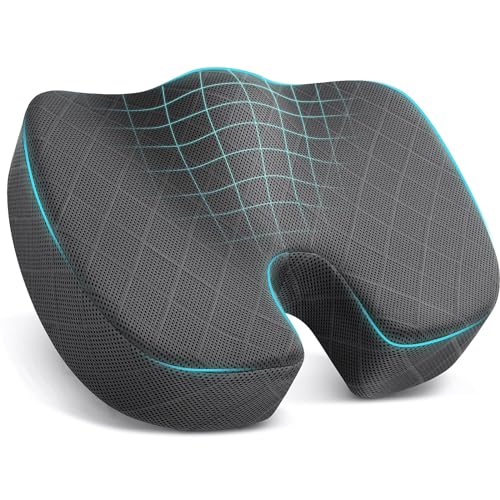
TushGuard Seat Cushion – Memory Foam Cushion for Office Chair, Car Seat, Airplane, Bleacher – Sciatica & Hip & Coccyx Pain Relief Desk Chair Cushion for Long Sitting Office Workers, Car Drivers
【Premium Memory Foam】Our office chair seat cushion is made of 100% pure memory foam, soft and firm, uses…
As an affiliate, we earn on qualifying purchases.
As an affiliate, we earn on qualifying purchases.
Frequently Asked Questions
What Are the Psychological Benefits of Shared Seating?
Shared seating fosters psychological benefits by increasing feelings of connection and trust. When you sit close to others, you naturally engage in more eye contact and open communication, which reduces feelings of loneliness. It also boosts your sense of belonging and community, making you feel supported. Plus, shared seating encourages empathy, as you become more aware of others’ emotions, helping you develop stronger relationships and emotional resilience.
How Does Shared Seating Influence Communication Skills?
Shared seating gently nudges you to communicate more effectively by fostering a sense of closeness and openness. As you sit side by side, you’re more likely to listen actively and respond thoughtfully, breaking down barriers that might otherwise exist. This setup encourages non-verbal cues and shared understanding, helping you develop better conversational skills. Ultimately, it creates a safe space where your words and gestures help build stronger, more genuine connections.
Are There Age-Specific Advantages to Shared Seating?
Yes, there are age-specific advantages to shared seating. For children, it fosters early social skills, cooperation, and empathy as they learn to navigate interactions with peers. Teenagers benefit from increased peer support and collaborative learning, enhancing their confidence. Adults, especially in workplaces, find that shared seating encourages open communication and teamwork. Overall, shared seating adapts to different developmental stages, promoting bonding, understanding, and social growth across all ages.
Can Shared Seating Help Reduce Social Anxiety?
Yes, shared seating can help reduce your social anxiety. When you sit close to others, you naturally feel more connected and less isolated, which can ease nerves. It encourages casual interactions and creates a sense of community, making social situations feel safer and more comfortable. Over time, these small connections can boost your confidence, helping you gradually overcome feelings of anxiety in social settings.
What Cultural Differences Impact Shared Seating Practices?
Cultural differences considerably influence shared seating practices. In some cultures, communal seating reflects hospitality and social closeness, making you feel more connected. In others, personal space is highly valued, so shared seating might feel uncomfortable or intrusive. You should be aware of these cultural norms to respect others’ boundaries and foster positive interactions, whether you’re sharing a table in a restaurant or sitting together in a meeting.

Conference Table Tables,Large Conference Table Set – Rectangle Meeting Tables for Office, Training Rooms, Business Seminars, Boardroom Furniture for Professional Events, Collaborative Worksp
1.【Effortless Setup】Our Conference Table includes all essential assembly components. Simply follow the straightforward image-text instructions for quick installation….
As an affiliate, we earn on qualifying purchases.
As an affiliate, we earn on qualifying purchases.
Conclusion
By sharing seating, you open the door to genuine connection, turning simple moments into meaningful bonds. It’s like revealing a secret level in the game of life, where trust and understanding flourish. Don’t overlook the power of proximity; it’s timeless, like the tales of old sailors who found camaraderie around a shared barrel. So, next time, choose shared seating—you might just find your own legend in the making, one conversation at a time.

Swihauk 600 Sheets Extra Sticky Lint Rollers for Pet Hair, Easy Spiral Tear Lint Roller for Clothes with Ergonomic Handle, Multipurpose Lint Remover for Furniture, Carpet, Car Seat
【Extra Sticky】Upgraded with extra sticky formula, Swihauk lint rollers features a strong adhesion to remove pet hair, dust,…
As an affiliate, we earn on qualifying purchases.
As an affiliate, we earn on qualifying purchases.

NUMANU 2026 Upgraded Collapsible Stool & 3IN1 Cushioned Carry Bag, 2.5"-18" Height Adjustable Max 620lbs, Portable Retractable Telescoping Seat, Foldable Camping Stool or Footrest for Adults (Round)
🦍【Round 2026 Upgraded Folding Stool】Weighing 2.2lbs with a 620lbs Max Weight Capacity, this Portable Collapsible Seat is only…
As an affiliate, we earn on qualifying purchases.
As an affiliate, we earn on qualifying purchases.