
TL;DR

Get gifts for the two of you delivered free with Prime
- Fast, free delivery on millions of items
- Prime Video, Amazon Music and more included
- Member-only deals all year
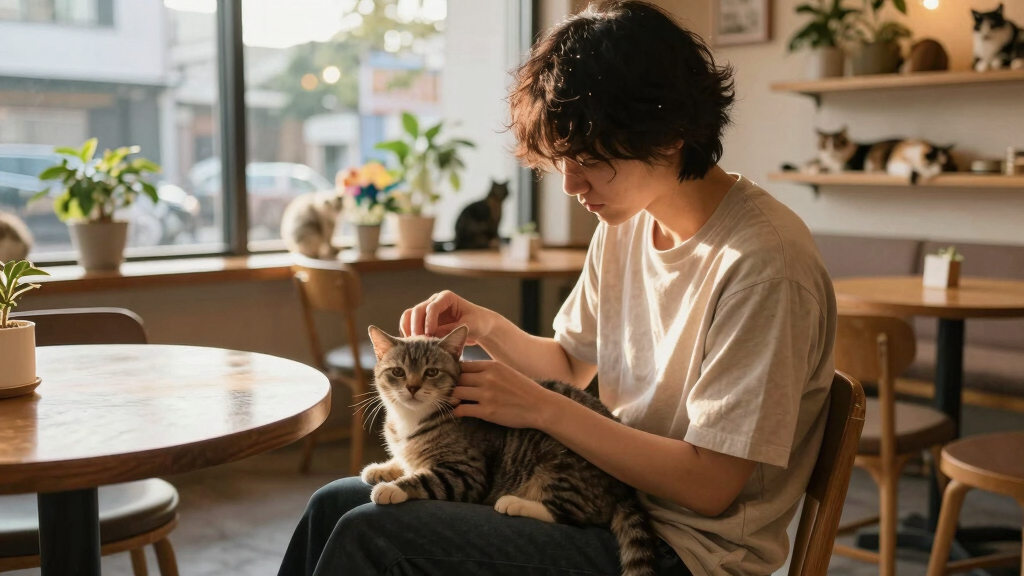
Tokyo’s cat cafes have become popular spots for relaxation and socializing, especially during stressful times. They serve as sanctuaries for both cats and visitors, with growing popularity since 2015 when cat populations surpassed dogs in Japan.
Tokyo’s cat cafes are increasingly serving as urban sanctuaries for residents and tourists seeking relaxation amid the city’s busy environment. These establishments, which have become fixtures of Tokyo life, offer a space where people can unwind while interacting with cats, strengthening their cultural and social significance in Japan.
Cat cafes in Tokyo have seen rising popularity, especially since 2015 when Japan’s cat population surpassed that of dogs, reaching about 9 million. These cafes provide a refuge for city dwellers, offering a calming environment where visitors can spend time with cats, often in family-friendly settings. According to reports from Nikkei Asia, many of these cafes are carefully managed to ensure the well-being of the animals, with staff emphasizing responsible pet care and hygiene.
Tourists and locals alike frequent these cafes, citing stress relief and a sense of companionship as key reasons for their visits. The cafes also contribute to the local economy and pet culture, with some establishments offering adoption programs or collaborating with animal welfare groups. Despite their popularity, operators stress the importance of animal welfare, noting that these cafes are not merely commercial ventures but spaces that foster human-animal bonds.
Why Tokyo’s Cat Cafes Are Growing in Importance
These cafes are more than entertainment venues; they serve as mental health refuges in a densely populated urban environment. As stress levels rise among city residents, the calming presence of cats provides emotional benefits, making these cafes a meaningful part of Tokyo’s social fabric. Their role in promoting responsible pet ownership and supporting animal welfare also underscores their cultural significance in Japan.
Popular right now

Breville Bambino Espresso Machine, Brushed Stainless Steel

Samsung 65-Inch QN70FA Neo QLED 4K Smart TV with 8-Foot WireLogic Ruby Ultra High Speed HDMI Cable (2025)

Vitamix 64 oz Low-Profile Blender Container with SELF-DETECT, BPA-Free
As an affiliate, we earn on qualifying purchases.
Rise of Cat Cafes Reflects Japan’s Pet Culture Shift
Since 2015, when Japan’s cat population surpassed dogs, cat cafes have become increasingly common in Tokyo. Originally emerging as novel attractions, they have evolved into important social spaces. The growth of these cafes aligns with broader trends of urban pet ownership and increasing awareness of animal welfare. Prior to this, cafes featuring animals were rare, but now they are integral to Japan’s urban lifestyle, with some cafes operating as part of a larger movement towards responsible pet care and community engagement.
“These cafes are vital as urban sanctuaries, helping people cope with the stresses of city life while promoting responsible pet ownership.”
— an anonymous researcher
Unclear Long-Term Impact on Animal Welfare and Urban Life
While the popularity of Tokyo’s cat cafes continues to grow, it remains uncertain how sustainable their model is in terms of animal welfare in the long term. Questions about the impact on the cats’ health and the potential for commercialization to overshadow welfare concerns are still being examined. Additionally, the broader impact of these cafes on urban mental health and social cohesion requires further study.
Future Developments in Tokyo’s Cat Cafe Scene
Expect ongoing growth and potential regulation of cat cafes to ensure animal welfare. Authorities and industry groups may introduce standards or guidelines for responsible operation. Meanwhile, cafes are likely to expand their community and adoption programs, further integrating into Tokyo’s social and pet care landscape. Monitoring how these establishments adapt to evolving social expectations will be key.
Key Questions
Are cats in Tokyo’s cafes adopted or bred for these venues?
Many cafes collaborate with animal welfare groups and promote adoption, but some cats are bred specifically for these environments. Responsible cafes emphasize the health and well-being of their cats and often have adoption programs.
Do these cafes pose any risks to animal welfare?
When managed properly, with attention to hygiene and the cats’ health, these cafes can operate responsibly. However, concerns exist about overcrowding and stress on the animals, prompting calls for stricter regulations.
Why are cat cafes so popular in Tokyo?
They offer a peaceful escape from urban stress, a chance to interact with animals without the responsibilities of ownership, and are culturally aligned with Japan’s affection for cats, which has grown since 2015.
Are there any health benefits associated with visiting cat cafes?
Some visitors report reduced stress and improved mood after spending time with the cats, though scientific research on this specific setting is limited.
Will the popularity of cat cafes continue to grow?
It is likely, given their cultural significance and appeal, but their future will depend on how well they balance human and animal welfare concerns amid evolving social expectations.
Source: Nikkei Asia