When choosing a hot tub, consider its size and space to guarantee a comfortable fit for your needs, whether for couples or families. Look for adjustable jets and therapeutic features that target specific areas. Focus on durable shells and weather-resistant cabinets for outdoor use, along with energy-efficient systems like insulated covers and programmable timers. A user-friendly control system with mood lighting boosts relaxation. Keep warranty and maintenance costs in mind—if you continue exploring, you’ll discover how to select the best model for you.
Key Takeaways
- Ensure the hot tub’s size and seating capacity fit your space and user needs comfortably.
- Choose models with adjustable jets and therapeutic features for personalized massage and relaxation.
- Select durable, weather-resistant shell and cabinet materials for longevity and low maintenance.
- Opt for user-friendly digital controls and customizable lighting to enhance the experience.
- Prioritize energy-efficient systems and reliable warranties for cost savings and long-term support.

When choosing a hot tub, understanding what features and qualities to prioritize can make all the difference in finding the perfect fit for your relaxation needs. Start by considering the size and seating capacity. Think about how many people will regularly use the hot tub. If it’s mainly for you and a partner, a smaller model with cozy seating might suffice. But if you plan to host friends or family often, opt for a larger tub with enough seats to accommodate everyone comfortably. Also, consider the space where you’ll install the hot tub. Measure carefully to guarantee it fits without cramping your yard or deck, and check that you have proper access for installation and maintenance.
Next, pay attention to the jets and their placement. Jets are the heart of a hot tub’s therapeutic experience. Look for models with adjustable jets, so you can target specific muscle groups and customize your massage. The number of jets isn’t the only factor; their placement determines how effective the massage will be. For instance, if you want relief from back pain, ensure the jets are positioned accordingly. Also, check if the jets are adjustable or if they can be turned on and off individually, giving you more control over your relaxation. Additionally, understanding hydraulic design can help you select a hot tub with optimal water circulation and efficiency.
The quality of the shell and the cabinet material matters too. A durable, high-quality shell made from acrylic or polyethylene resists cracking and fading over time. The cabinet should be weather-resistant, especially if you’re installing the hot tub outdoors. Materials like synthetic resin or treated wood offer longevity and low maintenance, ensuring your hot tub stays looking good with minimal effort. Additionally, inspect the insulation. Good insulation keeps the water warm longer, reducing energy costs and making your hot tub more efficient.
Another critical consideration is the control system. Modern hot tubs come with digital controls that allow you to set the temperature, control jets, and manage lighting easily. Some models even offer remote control via smartphone apps, providing convenience and customization right at your fingertips. Speaking of lighting, look for options that enhance the ambiance, such as LED lights that can change color, creating a relaxing atmosphere for evening soaks.
Finally, examine the energy efficiency of the hot tub. Features like energy-efficient pumps, insulated covers, and programmable timers can drastically cut your ongoing costs. Also, consider the warranty and customer support offered by the manufacturer. A good warranty provides peace of mind, covering repairs or replacements if issues arise. By keeping these factors in mind, you’ll be better equipped to select a hot tub that suits your relaxation style, fits your space, and offers reliable performance for years to come.

PoolSupplyTown Pool Spa Directional Flow Hydrostream Return Jet Fitting SP1419D with Adjustable 3/4" Opening Rotating Eyeball Compatible with Hayward SP1419D (6 Pack)
Hydro stream return jet fitting replace Hayward SP1419D
As an affiliate, we earn on qualifying purchases.
As an affiliate, we earn on qualifying purchases.
Frequently Asked Questions
How Energy-Efficient Are Different Hot Tub Models?
You’ll find that energy efficiency varies across hot tub models. Look for models with good insulation, energy-efficient pumps, and LED lighting to save power. Many modern hot tubs include programmable timers, so you only heat the water when needed. Brands with high Energy Star ratings generally use less electricity, helping you cut costs. Choosing an energy-efficient hot tub means lower utility bills and a more eco-friendly relaxation experience.
What Safety Features Should I Prioritize?
You definitely don’t want a hot tub that turns into a death trap, so prioritize safety features. Look for non-slip surfaces, sturdy handrails, and secure covers to prevent accidental drownings. An automatic shut-off system and reliable temperature controls keep you from turning your relaxing soak into a fiery disaster. Don’t forget clear signage and child-proof locks—because nothing says “fun” like preventing tiny adventurers from becoming unintended swimmers.
How Long Do Hot Tubs Typically Last?
Hot tubs typically last between 5 to 20 years, depending on quality and maintenance. You can extend their lifespan by regularly cleaning the filters, checking the jets, and replacing worn parts promptly. Proper chemical balance and covering your hot tub when not in use also help prevent damage. Investing in a higher-quality model and following maintenance routines guarantees you get the most out of your hot tub for years to come.
Are There Health Benefits Associated With Hot Tub Use?
You might be surprised to discover that hot tub use can boost your overall health. Regular soaks help relax muscles, reduce stress, and improve circulation, which can enhance your mood and sleep quality. The warm water stimulates blood flow and eases tension, providing a therapeutic effect. So, turning on your hot tub not only feels great but also supports your physical and mental well-being, making it a valuable addition to your routine.
What Maintenance Is Required for Optimal Performance?
You need to regularly check and balance the water chemistry, including pH and sanitizer levels, to keep your hot tub running smoothly. Change the water every 3-4 months, clean the filters weekly, and inspect the jets and cover for any wear or damage. Drain and clean the tub thoroughly at least twice a year, and always keep the cover on when not in use to prevent debris buildup.

Leisure Accents Single Bar Deep Grey Top & Black Base Ideal for Patio Hot Tub Area Backyard Durable WeatherResistant Design Easy Nohardware Assembly Proudly Made in USA
🪑 Relaxation, Upgraded – Includes an all-weather resin table and optional matching barstools, perfect for drinks, snacks, or…
As an affiliate, we earn on qualifying purchases.
As an affiliate, we earn on qualifying purchases.
Conclusion
Now that you know what to look for, imagine stepping into your perfect hot tub—warm water enveloping you, jets ready to soothe, and lights casting a gentle glow. But the real surprise awaits beneath the surface, where hidden features could transform your experience even further. Are you prepared to uncover the final details that will turn your choice into the ultimate relaxation retreat? The perfect hot tub is just a decision away—dive in and discover what’s next.
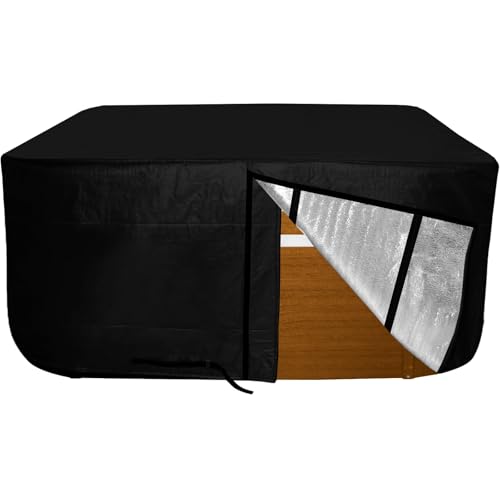
Insulated Hot Tub Cover with Insulation,Hot Tub Thermal Blanket,Winter Protection Spa Cover, Inflatable Waterproof Cap for Energy Efficient Full Coverage Dustproof
Energy Efficiency Champion: Crafted from premium 170G polyethylene with a heat-absorbent black finish, this insulated hot tub cover…
As an affiliate, we earn on qualifying purchases.
As an affiliate, we earn on qualifying purchases.

Coleman Sicily Energy-Efficient AirJet Inflatable Hot Tub 5-7 Person with App-Control
ENERGY-EFFICIENT CONSTRUCTION: EnergySense insulated walls and cover are up to 40% more energy-efficient than similar hot tubs; MaxHold…
As an affiliate, we earn on qualifying purchases.
As an affiliate, we earn on qualifying purchases.