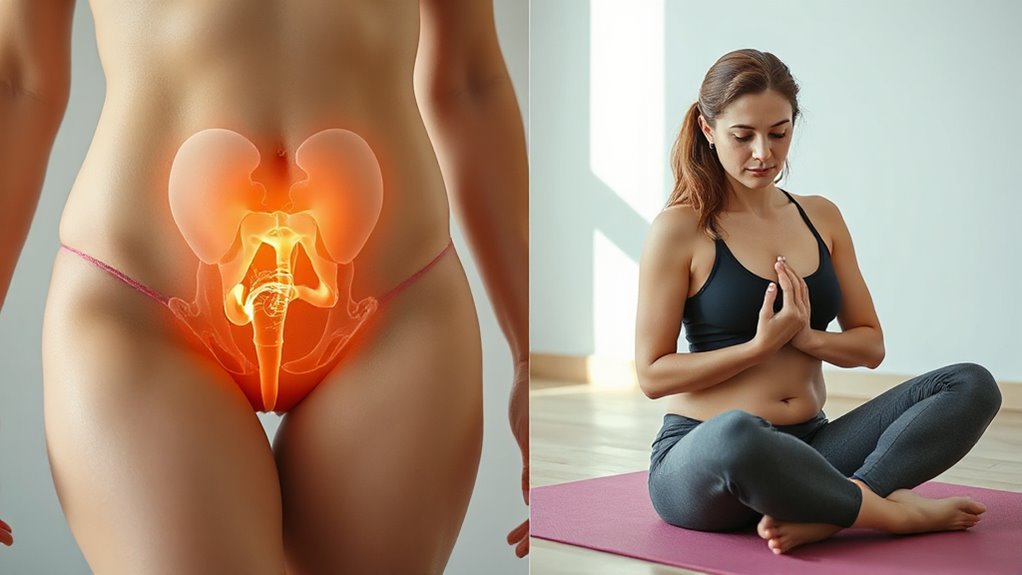

Vaginal rejuvenation offers faster, visible improvements by using laser or radiofrequency energy to tighten tissues and boost collagen, making it suitable for significant laxity or discomfort. In contrast, traditional Kegel exercises strengthen pelvic muscles over time through regular contractions, often taking months for noticeable results. While Kegels are cost-effective and low-risk, procedures can provide quicker relief for more severe symptoms. To understand which option best fits your needs, consider the details ahead.
Key Takeaways
- Kegel exercises strengthen pelvic muscles gradually and cost-effectively, while vaginal rejuvenation provides quicker, visible tissue tightening results.
- Rejuvenation procedures often deliver faster improvements but involve higher costs and potential risks compared to the ongoing effort required for Kegels.
- Kegels are suitable for mild to moderate symptoms, whereas vaginal rejuvenation targets more severe laxity and discomfort.
- Results from Kegels develop over months, whereas rejuvenation treatments typically show immediate or short-term improvements.
- Combining both approaches can optimize pelvic health, balancing natural muscle strengthening with targeted tissue tightening.

When it comes to improving pelvic health and addressing concerns like pelvic floor weakness, many women wonder whether traditional Kegel exercises or vaginal rejuvenation procedures are the better choice. Both options aim to enhance pelvic function, but they do so in very different ways. Kegel exercises are simple, cost-effective, and can be done anywhere, making them a popular first step for many women. They involve contracting and relaxing the pelvic floor muscles to strengthen them over time. If you’re consistent, you may notice improvements in bladder control, sexual sensation, and overall pelvic stability. However, some women find it challenging to identify the correct muscles or maintain motivation, which can limit the effectiveness of Kegels. Plus, they require ongoing effort, and results may take months to become noticeable.
On the other hand, vaginal rejuvenation procedures offer a more immediate and targeted approach. These treatments use advanced technology—like laser or radiofrequency energy—to stimulate collagen production, tighten vaginal tissues, and improve elasticity. Many women opt for these procedures when they experience significant symptoms such as vaginal laxity, discomfort during intimacy, or urinary incontinence that hasn’t responded to conservative measures. The main advantage is that results are often visible within weeks, and the procedures are minimally invasive with little downtime. Still, they come with higher costs and potential risks, like infection or discomfort, and don’t replace the need for pelvic floor strengthening. Some women may also require multiple sessions to achieve desired outcomes.
Choosing between Kegel exercises and vaginal rejuvenation depends on your specific needs, goals, and lifestyle. If your primary concern is mild to moderate pelvic weakness or urinary issues, starting with consistent Kegel exercises might be enough. They empower you to take control of your pelvic health without significant investment or recovery time. However, if you’re dealing with more severe laxity, discomfort, or if conservative methods haven’t worked, a vaginal rejuvenation procedure could offer faster, more noticeable results. Keep in mind that combining both approaches often yields the best long-term benefits—exercising the muscles while considering medical options for more complex concerns. Ultimately, consulting a healthcare professional can help you determine the most suitable path, ensuring you make an informed decision tailored to your body and lifestyle.

Thigh Trainer for Women, 10-100lb Adjustable Resistance Inner Thigh Exerciser with Leg Band & Poster for Kegel Exercise, Pelvic Floor Trainer for Postpartum Rehabilitation Home Gym
Level Up with this Adjustable Thigh Trainer (10-100 LBs): Unlike generic inner thigh exercisers that pinch, PALECLOUDS features…
As an affiliate, we earn on qualifying purchases.
As an affiliate, we earn on qualifying purchases.
Frequently Asked Questions
Are Vaginal Rejuvenation Procedures Painful?
Vaginal rejuvenation procedures can cause some discomfort, but most patients find the sensation manageable. Your provider typically uses local anesthesia or numbing agents to minimize pain during the treatment. Afterward, you might experience mild soreness or swelling, similar to a menstrual cramp, which usually subsides within a few days. Overall, many find the procedure tolerable and worth it for the potential benefits of improved confidence and comfort.
How Long Is the Recovery Period After Vaginal Rejuvenation?
You typically recover from vaginal rejuvenation within a few days to a week, depending on the procedure and your body’s healing process. You might experience mild swelling, discomfort, or spotting during this time. It is crucial to follow your doctor’s post-procedure instructions, avoid strenuous activities, and attend follow-up appointments. Most people return to normal activities quickly, feeling better as swelling subsides and healing progresses.
Can Kegel Exercises Improve Urinary Incontinence?
Yes, Kegel exercises can improve urinary incontinence. When you regularly strengthen your pelvic floor muscles with targeted exercises, you help support your bladder and urethra better. This added support reduces leakage and urgency. Consistency is key—perform Kegels daily, and over time, you should notice fewer accidents and improved control. It’s a simple, non-invasive way to address urinary incontinence and enhance your quality of life.
Are There Any Risks Associated With Vaginal Rejuvenation?
Think of vaginal rejuvenation as a delicate garden needing careful tending. While it can boost confidence and comfort, risks exist, like infection, scarring, or nerve damage if not performed properly. You might also experience temporary swelling or discomfort. To protect yourself, choose a qualified professional and discuss all potential risks beforehand. Remember, your body’s safety is the most important seed in this journey toward renewal.
How Quickly Do Results Appear With Each Method?
With traditional Kegel exercises, you might notice improvements in strength and tone within a few weeks, but it can take several months to see significant results. Vaginal rejuvenation procedures often provide more immediate changes, sometimes visible within days or weeks, depending on the treatment. Your body’s healing response and consistency in doing exercises influence how quickly you see results with either method.

Vaginal Tightening Rejuvenation Device
One treatment time need only 30 minutes
As an affiliate, we earn on qualifying purchases.
As an affiliate, we earn on qualifying purchases.
Conclusion
Ultimately, whether you choose vaginal rejuvenation or stick with traditional Kegel exercises, you’re taking control of your body’s happiness. Think of it like upgrading from a bicycle to a rocket—each option offers unique benefits, but both aim to boost your confidence and well-being. If you want quick, dramatic results, rejuvenation might feel like a fireworks show in your personal life. Either way, you’re making a powerful choice to prioritize your health and feel amazing.
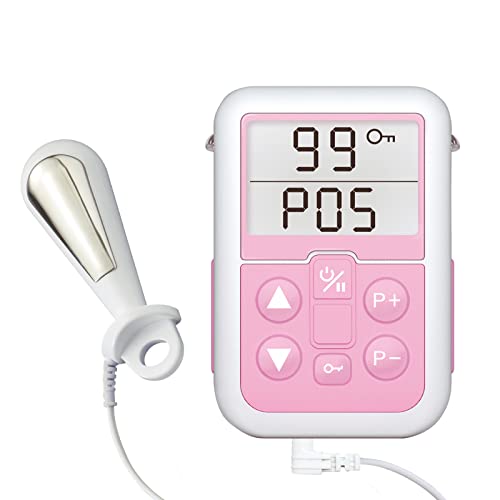
Everyway Incontinence Stimulation System – iStim V2 Kegel Trainer Incontinence Stimulator for Bladder Control & Pelvic Floor Muscle Therapy for Women
Kegel Exercises: a simple clench-and-release exercises that makes the muscles under the uterus, bladder, and bowel (large intestine)…
As an affiliate, we earn on qualifying purchases.
As an affiliate, we earn on qualifying purchases.

Merich Magic Tongkat Madura Virginity Wand Instant Result Tightening Rejuvenation Stick Natural Vaginal Stick for Tightening and Cleaning
DIFFERENT FROM OTHERS – Our product differs from all other Madura sticks in terms of being wrapped in…
As an affiliate, we earn on qualifying purchases.
As an affiliate, we earn on qualifying purchases.