
TL;DR

Get gifts for the two of you delivered free with Prime
- Fast, free delivery on millions of items
- Prime Video, Amazon Music and more included
- Member-only deals all year
A Pennsylvania teacher’s first- and second-grade class worked through disagreement over a visiting guinea pig and agreed it could visit sometimes, alongside getting a fish. The 74 opinion essay presents the episode as an example of how structured classroom deliberation can give students practice hearing different views and weighing trade-offs; the research cited is a small pilot based on teacher reports and classroom work.
An opinion essay published by The 74 argues that a Pennsylvania first- and second-grade class’s disagreement over a visiting guinea pig shows how schools can teach democratic participation through discussion and compromise. The account, attributed to educator Lori McGarry, describes students weighing concerns including allergies and classroom distraction before agreeing that the guinea pig could visit sometimes and that the class would also get a fish.
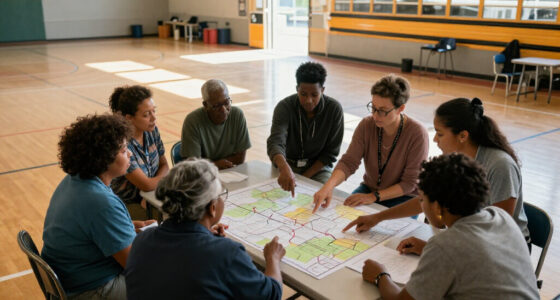
According to the essay, a family offered to lend McGarry’s class a guinea pig for the school year. The proposal raised questions among students about fairness, classmates with allergies, and the attention the animal was drawing during recess, lunch and math. Rather than call an immediate vote, McGarry had the children use drawings, construction paper, pluses and minuses, and a talking stick to discuss four possible approaches.
The essay says the students identified advantages and drawbacks and listened to one another. One child changed their preferred option after considering that a classmate could become sick. The class settled on a compromise: the guinea pig could visit occasionally, and the class would get a fish. The authors say students later began asking, when other problems came up, who needed to be heard and what they still did not understand.
The piece argues that deliberation is more than an open-ended conversation or a contest to win an argument. It describes the process as discussing a shared problem, weighing evidence and trade-offs, hearing differing views, and reaching a judgment or next step. The essay recommends beginning with issues students already encounter, such as recess or school cleanliness, rather than starting with a divisive political topic.
Classroom Practice in Civic Decision-Making
The essay’s central point is that learning about democratic institutions is not the same as practicing how to take part in collective decisions. A structured classroom discussion can give students experience considering people affected by a choice, hearing views they might otherwise overlook, and deciding what to do together. Those skills may be relevant beyond school, though the account does not establish that one classroom activity produces lasting civic outcomes.
For teachers and school leaders, the article offers a practical illustration rather than a tested blueprint: choose a shared problem, make the options and their costs visible, set expectations for evidence and listening, and leave the conclusion open. That approach could make civic learning concrete for younger pupils while giving them a role in decisions that affect their daily lives.
Popular right now

Dyson Airwrap i.d. Multi-Styler for Straight and Wavy Hair

KitchenAid Artisan 5-Quart Tilt-Head Stand Mixer, Almond Cream

Vitamix 5200 Professional-Grade Blender, 64 oz. Container, Black
As an affiliate, we earn on qualifying purchases.
A Small Pilot, Not Long-Term Proof
The opinion essay places the classroom story against the approach of the United States’ 250th anniversary and another general election. It argues that civics instruction can focus on institutions without giving students much practice in deliberating with other people. Its proposed response is to give students regular opportunities to discuss issues that matter to their classroom or community.
To support that case, the authors cite work developing classroom deliberation resources with the USC Democracy Project. In a mixed-methods pilot involving 23 educators, 95% of participating teachers rated the curriculum highly relevant. The essay says teachers also reported authentic student engagement and described students working on topics including gun violence, human rights, police and safety, and local water pollution. Some students, it says, consulted environmental experts or presented their reasoning to peers and local officials.
The authors qualify those findings: they rely on teacher reports and classroom artifacts, not long-term causal evidence. The pilot therefore offers indications of teacher-perceived relevance and engagement, but it cannot establish lasting effects on students’ civic participation.
““loved seeing my students slowly start to care more about the injustices currently going on in our world.””
— A teacher quoted in the essay
What the Evidence Cannot Yet Show
The source does not give a publication date or identify the exact school or district where McGarry’s class met. It also does not report how often the class held later deliberations, whether the fish arrived, or how students’ attitudes changed over time. The research summary gives no comparison group or long-term measures, and the essay explicitly says the pilot is based on teacher reports and classroom artifacts. Claims about broader civic effects should therefore be read as the authors’ argument, not as proven results.
A Deliberation on the School Calendar
The authors urge teachers and school leaders to schedule one genuine deliberation during the school year. They suggest asking students what is happening, who is affected, which values and costs are in tension, what more needs to be learned, and what step the group can take together. Students would then help choose a response, act on it and reflect on the result.
The essay does not announce a policy change, a new program rollout or a follow-up research milestone. Whether more schools adopt the recommendation, and whether future studies track student outcomes over time, remains open.
Key Questions
What happened in the classroom?
A Pennsylvania first- and second-grade class discussed a family’s offer to lend it a guinea pig. After weighing fairness, allergy and classroom-distraction concerns, students agreed the animal could visit sometimes and the class would also get a fish, according to the essay.
Why does the essay connect a class pet to democracy?
The authors say students practiced listening, considering who would be affected, weighing trade-offs and reaching a shared decision instead of simply following the loudest preference or holding an immediate vote.
What research does the article cite?
It cites a mixed-methods pilot involving 23 educators developing classroom deliberation resources with the USC Democracy Project. The essay reports that 95% of participating teachers rated the curriculum highly relevant, while noting that the findings came from teacher reports and classroom artifacts.
Does the pilot prove deliberation improves civic participation?
No. The authors say the evidence does not include long-term causal findings. It reports teacher assessments and classroom examples, not proof that the lessons cause lasting changes in civic participation.
What do the authors recommend schools do next?
They recommend scheduling a deliberation around a real shared problem, setting norms for evidence and listening, and letting students help identify and take a next step. Suggested topics include recess, school cleanliness, neighborhood safety and local water quality.
Source: rss