
Attraction is influenced by a mix of factors like familiarity, which makes you like someone more the more you see them, and shared traits that build trust and comfort. Biological signals such as physical features indicate health and fertility, while cultural norms shape what you find attractive. Romantic and sexual instincts often operate separately, and social influences guide partner choices based on your background. Understanding these complex processes reveals why different things appeal to you; exploring further uncovers even more about what drives your choices.
Key Takeaways
- Familiarity through repeated exposure increases liking and trust, influencing partner choice.
- Physical traits signaling health and fertility, such as symmetry and youthful features, attract partners.
- Shared values, personality traits, and cultural norms enhance long-term compatibility and attraction.
- Romantic and sexual attraction operate via separate biological and psychological pathways, shaped by individual preferences.
- Social and demographic factors, including background and societal influences, significantly impact partner selection.
Top picks for "science attraction choose"
Open Amazon search results for this keyword.
As an affiliate, we earn on qualifying purchases.
The Role of Familiarity in Attraction

Familiarity plays a crucial role in attraction because repeated exposure to someone often increases your liking for them. Cultural norms shape how familiarity influences your preferences, often reinforcing gender stereotypes about who’s approachable or desirable. For example, society may encourage men to pursue assertiveness, making familiar, confident traits more attractive, while women might be drawn to warmth and nurturing qualities. These cultural cues guide your perceptions, making you more comfortable and open to someone you see regularly. Over time, familiarity reduces uncertainty and builds trust, strengthening attraction. Recognizing how societal expectations and gender stereotypes affect your romantic choices can help you understand why certain individuals become more appealing simply through repeated interactions. Additionally, understanding social conditioning can reveal how external influences shape your preferences and perceptions.
Similarity and Complementarity in Partner Choice

People often choose partners based on how similar they are, because similarities in values, attitudes, and personality traits tend to increase attraction. This tendency aligns with cultural norms that favor shared backgrounds, beliefs, and life goals. However, sometimes complementarity plays a role, especially when traits balance each other out. Consider these factors:
Similarity in values and personality often enhances attraction, but complementarity can also foster harmony in relationships.
- Shared values and attitudes foster trust and understanding.
- Personality similarity promotes comfort and harmony.
- Cultural norms influence preferences for age disparities, often favoring similar age groups.
- Complementary traits, like one partner’s extroversion balancing the other’s introversion, can enhance compatibility.
While similarity generally boosts attraction, cultural expectations and age disparities also shape partner choice, highlighting the nuanced balance between likeness and complementarity in relationships.
Evolutionary Perspectives on Mate Preferences

Your preferences in partners are often shaped by evolutionary factors, with physical traits like attractiveness signaling fertility and health. At the same time, many people value resource stability and personality traits that indicate long-term support. These priorities reflect how biological and resource considerations influence mate choice across different contexts. Recognizing investment scams can also be crucial, as individuals seek trustworthy partners and allies in various aspects of life.
Physical Traits and Fertility
Physical traits play a crucial role in mate preferences from an evolutionary standpoint because they serve as indicators of fertility and reproductive health. You’re naturally drawn to certain features because they signal genetic markers of good health and reproductive potential. Cultural norms shape how these traits are valued, but biological signals remain influential. Consider these factors:
- Symmetrical faces suggest genetic stability and health.
- Clear skin indicates good immune function.
- Waist-to-hip ratios in women signal fertility.
- Facial features associated with youthfulness often correlate with reproductive viability.
- Biodiversity in physical traits can reflect diverse genetic backgrounds that enhance reproductive success.
While cultural norms influence perceptions, these physical traits inherently communicate fertility cues, guiding your subconscious preferences and choices during mate selection.
Resource Value and Stability
From an evolutionary perspective, traits related to resource acquisition and stability considerably influence your mate preferences. You often seek partners who demonstrate emotional intimacy and reliability, signaling long-term support. Cultural norms shape what resources are valued, whether it’s financial stability, social status, or parental investment qualities. These factors reflect a person’s ability to provide security and nurture offspring, aligning with your desire for a stable partnership. Emotional intimacy fosters trust and connection, reinforcing the perception of stability over time. While physical attraction may initially draw you in, resource value and stability become vital for lasting relationships. Your preferences are influenced not just by innate drives but also by societal expectations, making resource-related traits a central component of your partner selection process. Additionally, wall organization solutions can symbolize stability and order, subtly reflecting your preference for secure and dependable relationships.
Physical Attractiveness and Its Impact on Relationships

Physical attractiveness plays a crucial role in shaping relationship dynamics, influencing both initial attraction and long-term satisfaction. Cultural influences shape beauty standards, affecting what you find attractive across different societies. In digital dating, profile photos often highlight physical features, making attractiveness a key factor in matches. Here’s how it impacts you:
Physical attractiveness influences initial attraction and long-term satisfaction across cultures and digital dating platforms.
- It sparks immediate interest, often determining whether you’ll pursue further connection.
- Attractive partners tend to receive more attention and positive evaluations.
- Long-term satisfaction can hinge on physical appeal, especially in societies emphasizing visual cues.
- Perceived attractiveness influences relationship longevity, but cultural norms and personal preferences also matter.
- The importance of projector contrast ratio in visual media demonstrates how perception of quality can influence overall impressions, similarly affecting attraction.
While physical appeal is significant, your attraction is shaped by a mix of societal standards and personal biases, especially in the age of digital dating.
Cognitive and Attention Processes in Attraction

Your attention plays a vital role in attraction, as both automatic and voluntary cognitive processes help determine who catches your interest. Neural mechanisms in your brain, like the reward system, respond strongly to attractive features, guiding your automatic attention toward certain stimuli. Cultural influences shape what you find appealing, affecting both what you notice and how you interpret attractiveness. For example, societal standards can heighten your focus on specific traits, making certain features more salient. Your voluntary attention also plays a part, as you consciously choose to focus on qualities you value in potential partners. Speed dating studies reveal that physical attractiveness consistently captures attention, confirming that cognitive processes are central to attraction. Overall, your brain’s neural pathways and cultural context work together to influence whom you find compelling.
Distinguishing Romantic and Sexual Attraction Systems

You might assume romantic and sexual attraction always go hand in hand, but they often operate independently, shaping your preferences differently. Some people experience strong sexual desire without deep romantic feelings, while others feel romantic attraction without a desire for sex. Recognizing these distinct pathways helps clarify why preferences vary so much among individuals. Understanding well-being tips can also support emotional health and relationship satisfaction.
Independent Attraction Pathways
Understanding attraction requires recognizing that romantic and sexual systems often operate independently, each driven by distinct psychological and biological processes. This independence means your preferences can differ based on cultural norms, personal experiences, or even technological dating platforms. For example:
- Some individuals may experience strong sexual attraction without feeling romantic attachment.
- Cultural norms influence how you perceive and prioritize romantic versus sexual desire.
- Technological dating apps can emphasize physical attraction, sometimes bypassing romantic connection.
- Others may find their romantic attraction is more rooted in emotional compatibility than physical desire.
- The benefits of listening to classical music demonstrate how different stimuli can influence emotional and cognitive responses, paralleling how various attraction pathways operate independently.
These pathways demonstrate that your sexual and romantic attractions don’t always align, allowing for diverse relationship types and orientations. Recognizing this independence helps you understand your unique partner preferences and relationship goals.
Romantic vs. Sexual Drives
Romantic and sexual attraction systems function independently, each driven by distinct psychological and biological mechanisms. Cultural influences shape how these drives manifest, especially in digital dating, where signals of romance and physical desire are often separated. You might feel a strong sexual urge based on physical cues, yet not experience romantic feelings, or vice versa. Modern technology allows you to explore these drives separately, emphasizing physical attraction through photos or videos while cultivating emotional bonds through messaging. Recognizing the difference helps you understand your preferences and motivations better. While sexual attraction often seeks immediate gratification, romantic attraction builds over time through shared values and emotional connection. In today’s context, distinguishing these drives clarifies your relationship goals and expectations, whether seeking passion, companionship, or both.
Variability in Preferences
Variability in preferences between romantic and sexual attraction reflects the complex ways individuals experience and prioritize different aspects of relationships. Your cultural influences and personal experiences shape these preferences uniquely. For example:
- Cultural norms can emphasize emotional bonds over physical traits or vice versa.
- Personal experiences, like past relationships, influence whether you seek romantic connection or casual sex.
- Some individuals distinguish clearly between romantic and sexual attraction, while others overlap them.
- Variations in sexual orientation and attraction systems mean preferences aren’t uniform; bisexual or pansexual people may experience distinct patterns.
- The Horsepower of electric dirt bikes can also symbolize the intensity of individual attractions, showing that different people may prioritize different ‘speeds’ or intensities in their relationships.
Understanding this variability helps you recognize that attraction is not one-size-fits-all. Your unique background and experiences guide your relationship choices, making preferences fluid and adaptable rather than fixed.
Social and Demographic Influences on Partner Selection

Social and demographic factors play a crucial role in partner selection by shaping the opportunities and preferences individuals have when seeking romantic connections. Cultural influences and personal experiences guide your choices, often aligning with societal norms or personal values. These factors affect whom you meet and find attractive, impacting long-term compatibility. For example, people tend to choose partners with similar backgrounds or beliefs, reinforcing shared identity. Demographic elements like age, income, and social status also influence your options and priorities. Visualize the following:
| Cultural Influences | Personal Experiences |
|---|---|
| Religious norms | Past relationships |
| Traditions | Family expectations |
| Language | Social circles |
| Moral values | Life challenges |
| Community standards | Personal growth |
Together, these elements shape your partner preferences and opportunities in meaningful ways, especially when considering social and demographic influences.
How Preferences Evolve Over Time and Life Stages
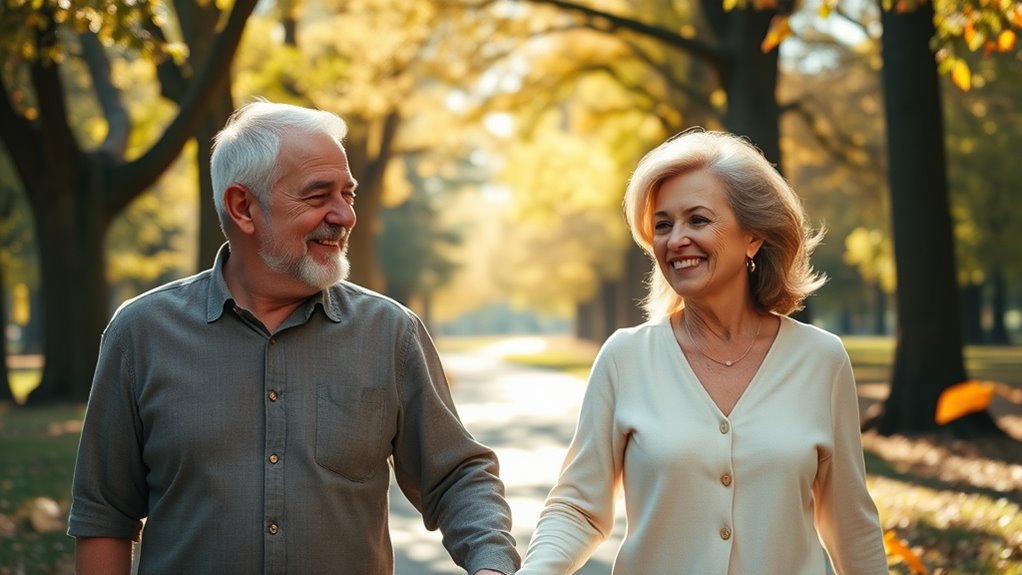
As you progress through different life stages, your preferences for potential partners often change in response to shifting priorities, experiences, and biological factors. Genetic predispositions may lead you to value certain traits more, like stability or nurturing qualities, as you age. Cultural influences also shape what you find attractive at different times. For example:
- In youth, physical attractiveness and novelty may dominate your preferences.
- During early adulthood, you might prioritize shared values and stability.
- As you age, traits like emotional maturity and resourcefulness become more significant.
- Later in life, health and long-term compatibility often take precedence over superficial qualities.
- Maintaining awareness of your evolving creative practice can help you better understand and adapt to these changing preferences over time.
Your evolving preferences reflect a mix of biological impulses and cultural shaping, guiding you toward what best suits your current life stage.
Frequently Asked Questions
How Much Does Cultural Background Influence Partner Preferences?
Cultural background heavily influences your partner preferences through cultural norms and societal expectations. These factors shape what traits you find attractive, such as beauty standards, values, or social status. You may prioritize different qualities based on your cultural context, like family approval or religious compatibility. Your environment guides your perceptions of ideal partners, making cultural influences a powerful factor alongside biological and social psychological considerations in your dating choices.
Can Personality Compatibility Outweigh Physical Attraction in Long-Term Relationships?
Personality compatibility is like a sturdy foundation that can sometimes support a shaky, attractive facade. In long-term relationships, your personality dynamics often outweigh physical priority because shared values, attitudes, and emotional connection build trust and resilience. While physical attraction sparks initial interest, it’s the deeper bond formed through compatibility that sustains love. So, if your personalities align, they can outweigh fleeting physical appeal over time.
Do Attraction Preferences Differ Significantly Across Different Age Groups?
Your attraction preferences do change with age, showing significant age-related shifts. Younger people often prioritize physical attractiveness and novelty, while older individuals tend to value stability, shared values, and emotional connection more. Despite these shifts, some preferences remain stable over time, like the desire for kindness and trust. Understanding these patterns helps you see how preference stability coexists with age-related shifts, shaping your evolving romantic choices.
How Do Online Dating Algorithms Affect Partner Selection and Attraction?
Imagine algorithms acting like matchmakers, shaping who you notice first. These algorithms often use profile optimization to highlight attractive features, which can amplify attraction but also introduce bias. Algorithm bias may skew partner suggestions, emphasizing certain traits over others, influencing your preferences unknowingly. As a result, your partner choices are shaped less by genuine connection and more by curated profiles, subtly guiding your attraction and affecting long-term compatibility.
Are There Hormonal or Biological Factors That Directly Influence Attraction?
Hormonal and biological factors, like neurotransmitter effects and genetic predispositions, directly influence attraction. You might find yourself more drawn to someone when your brain releases chemicals like dopamine and oxytocin, which reinforce feelings of pleasure and bonding. Your genetic makeup can also predispose you to prefer certain traits, making some partners naturally more appealing based on biological compatibility. These factors work together to shape your initial and ongoing attraction to others.
Conclusion
Think of attraction as planting a garden—you nurture familiarity, choose complementary flowers, and let evolution guide your choices. As you grow, your preferences bloom and shift, much like a tree reaching new heights. Remember, what draws you in today might change tomorrow, but understanding these forces helps you cultivate healthier, more fulfilling relationships. Ultimately, your journey of attraction is a beautiful landscape, constantly evolving with each season of life.