
Relationship communication tools come in three main formats — structured workbooks, conversation card decks, and skills-based books — and the right format matters more than any single title. For most couples, Love More, Fight Less stands out as the best overall pick because it pairs concrete scripts with a clear learning path, so you’re not just reading about communication, you’re practicing it. Couples with limited time should look at the Couples Communication Workbook, which compresses the work into 12 days of 20-minute sessions, while partners who freeze up during arguments will get faster results from the Communication Cards for Couples deck, which removes the pressure of finding words on your own. The main tradeoff in this category is depth versus accessibility: the deepest tools, like Nonviolent Communication, demand real effort, while the easiest tools sometimes skim the surface of serious issues. Price differences are minor here, so format fit should drive your decision. Keep reading for the full breakdown.

Get gifts for the two of you delivered free with Prime
- Fast, free delivery on millions of items
- Prime Video, Amazon Music and more included
- Member-only deals all year
Key Takeaways
- Structured workbooks with daily or weekly schedules outperformed open-ended books because couples actually finished them — the 12-day and 8-week formats had the clearest follow-through design.
- Card decks work best as conflict-recovery tools rather than prevention tools; they shine after arguments when verbal communication has already broken down.
- Nonviolent Communication remains the deepest skills foundation in the lineup, but its length and abstraction make it a poor first step for couples in active conflict.
- Two titles in this category share the same name (Emotional Intimacy for Couples) — check the author and edition before buying, since the versions differ in structure and depth.
- Script-based tools (exact phrases to say and avoid) consistently beat concept-based tools for couples who argue frequently, because they can be used mid-conflict instead of only during calm study time.
| Love More, Fight Less: Communication Skills Every Couple Needs | 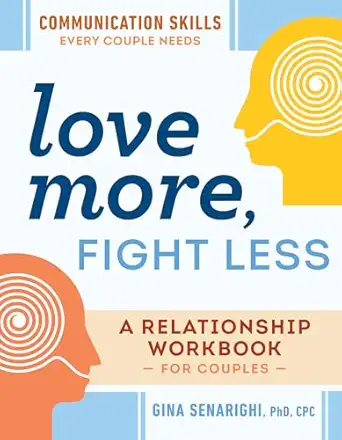 | Best Overall | Format: Paperback workbook | Type: Relationship communication workbook | Focus: Communication skills and conflict resolution | VIEW LATEST PRICE | See Our Full Breakdown |
| The Talk Book: With Six Prize-Winning Talk Tools That Strengthen Relationships and Repair Communication Breakdowns |  | Best for Understanding the ‘Why’ Behind Breakdowns | Format: Book (print and digital editions) | Type: Communication framework guide | Core Content: Six talk tools for repairing breakdowns | VIEW LATEST PRICE | See Our Full Breakdown |
| Communicate Your Feelings (Without Starting a Fight): What to Say and What Not to Say to Your Partner |  | Best for Phrase-Level Fixes | Format: Book (Kindle and paperback) | Type: Practical communication phrase guide | Focus: Expressing feelings without triggering conflict | VIEW LATEST PRICE | See Our Full Breakdown |
| 8-Week Couples Therapy Workbook: Essential Strategies to Connect, Improve Communication, and Strengthen Your Relationship |  | Best Structured Program | Format: Spiral-bound workbook | Type: Self-guided couples therapy program | Program Length: 8 weeks | VIEW LATEST PRICE | See Our Full Breakdown |
| Communication Cards for Couples – Rebuild Connection After Arguments |  | Best Low-Effort Icebreaker | Format: Card deck | Number of Cards: 54 | Intended Use: Conflict resolution, emotional connection, relationship rebuilding | VIEW LATEST PRICE | See Our Full Breakdown |
| Emotional Intimacy for Couples: Communication Skills, Trust-Building Habits, and Practical Tools to Deepen Connection and Strengthen Your Relationship |  | Best for Trust Rebuilding | Format: Paperback / eBook | Primary Focus: Emotional intimacy, communication, trust-building | Approach: Habit-based strategies with actionable advice | VIEW LATEST PRICE | See Our Full Breakdown |
| 52 Essential Emotional Intelligence Training – Relationship Skills Card Game |  | Best Interactive Pick | Number of Cards: 52 | Includes: Online course, EQ assessment | Suitable For: Couples, friends, co-workers, families | VIEW LATEST PRICE | See Our Full Breakdown |
| Nonviolent Communication: A Language of Life |  | Best Foundational Framework | Format: Paperback / eBook / Audiobook | Primary Focus: Compassionate, nonviolent communication method | Approach: Four-step framework: observation, feeling, need, request | VIEW LATEST PRICE | See Our Full Breakdown |
| Practical At-Home Couples Therapy Workbook: Guided Relationship Toolkit for Honest Communication, Restored Intimacy, and Conflict Repair |  | Best Workbook Structure | Format: Paperback workbook | Primary Focus: Communication, intimacy restoration, conflict repair | Approach: Guided exercises and therapeutic toolkit | VIEW LATEST PRICE | See Our Full Breakdown |
| Emotional Intimacy for Couples: Communication Skills, Trust-Building Habits, and Practical Tools to Deepen Connection and Strengthen Your Relationship |  | Best Alternative Edition | Format: Paperback / eBook | Primary Focus: Communication skills, trust-building habits, connection | Approach: Practical tools and habit techniques | VIEW LATEST PRICE | See Our Full Breakdown |
| The Ultimate Relationship Workbook for Couples: Simple Exercises to Improve Communication and Strengthen Your Bond | 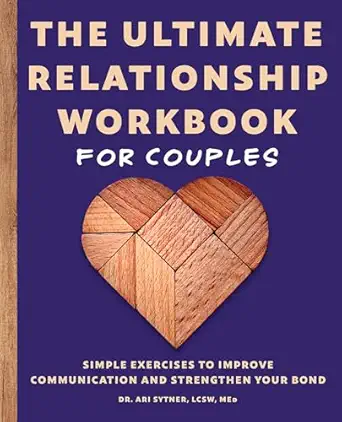 | Best Go-At-Your-Own-Pace Workbook | Format: Paperback workbook | Content Type: Couple communication exercises and bonding activities | Structure: Flexible, self-paced exercises (no fixed program length) | VIEW LATEST PRICE | See Our Full Breakdown |
| Couples Communication Workbook: 20 Minutes a Day for 12 Days to Improve Listening, Resolve Conflicts, and Strengthen Your Relationship |  | Best Short-Commitment Program | Format: Guided workbook | Program Length: 12 days | Daily Time Commitment: 20 minutes per day | VIEW LATEST PRICE | See Our Full Breakdown |
| relationship communication tool | Format | Audience | Primary Focus |
|---|---|---|---|
| Love More | Paperback workbook | Couples at any stage | — |
| The Talk Book: With Six Prize- | Book (print and digital editions) | Couples and individuals seeking a conceptual approach | — |
| Communicate Your Feelings | Book (Kindle and paperback) | Individuals or couples prone to escalation | — |
| 8-Week Couples Therapy Workboo | Spiral-bound workbook | Committed couples seeking structured self-help | — |
| Communication Cards for Couple | Card deck | — | — |
| Emotional Intimacy for Couples | Paperback / eBook | Committed couples | Emotional intimacy, communication, trust-building |
| 52 Essential Emotional Intelli | Card deck with digital companion | — | — |
| Nonviolent Communication: A La | Paperback / eBook / Audiobook | General — couples, families, workplaces | Compassionate, nonviolent communication method |
| Practical At-Home Couples Ther | Paperback workbook | Committed couples, including premarital and long-term | Communication, intimacy restoration, conflict repair |
| Emotional Intimacy for Couples | Paperback / eBook | Couples seeking a beginner-level guide | Communication skills, trust-building habits, connection |
| The Ultimate Relationship Work | Paperback workbook | — | Communication skills and emotional connection |
| Couples Communication Workbook | Guided workbook | — | Listening skills, conflict resolution, intimacy |
More Details on Our Top Picks
Love More, Fight Less: Communication Skills Every Couple Needs
This workbook earns the top spot because it balances structured exercises with genuinely usable conflict-resolution strategies, making it the most complete starting point for couples who argue in circles. Where The Talk Book leans heavily on theory and its six talk tools, this option translates skills into homework you actually do together, which is where most communication books fall short. Compared with the 8-Week Couples Therapy Workbook, it feels less like a rigid program and more like a resource you can dip into whenever tension flares. The tradeoff is real, though: results depend on both partners committing to the exercises, and a partner who resists “homework” will stall progress quickly. Still, for breadth and practicality, this is the pick I’d point most couples toward first.
Pros:- Exercise-based format turns communication theory into repeated practice
- Covers both conflict resolution and day-to-day connection skills
- Broad enough to help with recurring arguments, not just one-off fights
- Works for couples at any relationship stage
Cons:- Requires sustained commitment from both partners to see results
- Not a replacement for professional help in serious or crisis situations
Best for: Couples who repeatedly fight about the same issues and want a structured, exercise-driven way to break the pattern
Not ideal for: Couples where one partner refuses to participate in workbook exercises — it requires buy-in from both sides
- Format:Paperback workbook
- Type:Relationship communication workbook
- Focus:Communication skills and conflict resolution
- Structure:Practical exercises and strategies
- Audience:Couples at any stage
- Time Commitment:Ongoing; results require consistent effort
Our verdict“If you only buy one relationship communication tool, this workbook offers the best mix of structure and flexibility for most couples.”
The Talk Book: With Six Prize-Winning Talk Tools That Strengthen Relationships and Repair Communication Breakdowns
Of everything in this lineup, The Talk Book is the most theory-driven, and that’s its strength for readers who want to understand why conversations collapse rather than just drill exercises. Its six named talk tools give couples a shared vocabulary — closer to the framework approach of Nonviolent Communication than the worksheet format of Love More, Fight Less. That said, it’s a book you read, not a program you work through, so couples wanting hands-on practice will get more from the 8-Week Couples Therapy Workbook. The dated presentation and lack of recent edition updates mean some examples feel stale, and it’s harder to find at a reasonable price than newer titles. For reflective readers, though, the framework is worth the effort.
Pros:- Six clearly defined talk tools create a shared language for hard conversations
- Explains the mechanics of communication breakdowns, not just symptoms
- Framework approach pairs well with exercise-based workbooks later
Cons:- Theory-heavy with few hands-on exercises
- Dated writing style and examples compared with newer titles
- Less widely available and often pricier than recent alternatives
Best for: Analytical couples who want a conceptual framework and shared vocabulary before attempting exercises
Not ideal for: Couples who learn by doing — this is reading-heavy with little structured practice
- Format:Book (print and digital editions)
- Type:Communication framework guide
- Core Content:Six talk tools for repairing breakdowns
- Focus:Understanding and repairing communication failures
- Audience:Couples and individuals seeking a conceptual approach
- Learning Style:Reading and reflection rather than exercises
Our verdict“Choose this if you want to deeply understand how conversations break down before you practice fixing them.”
Communicate Your Feelings (Without Starting a Fight): What to Say and What Not to Say to Your Partner
This book fills a gap the others don’t: it’s essentially a script library — what to say, what not to say, and how to phrase difficult feelings so they land without sparking defensiveness. Compared with The Talk Book, which teaches frameworks you apply yourself, this hands you ready-made language for the moment, which matters when you’re upset and can’t think clearly. It won’t build the deeper habit change you get from Love More, Fight Less, and it’s thinner on repairing relationships already in serious trouble — the Communication Cards for Couples actually do the in-the-moment job more physically. But for partners who constantly say the wrong thing and escalate fights, this is the fastest intervention on the list. Just don’t expect it to fix underlying trust issues.
Pros:- Concrete what-to-say and what-not-to-say guidance you can use immediately
- Low time investment — useful even reading a few pages before a hard conversation
- Directly targets the escalation problem most couples face
- Works for one partner reading alone, no joint commitment required
Cons:- Phrase-level fixes don’t address underlying relationship issues
- Thin on long-term skill-building compared with workbook options
Best for: Partners who struggle to phrase feelings without triggering defensiveness and want concrete scripts
Not ideal for: Couples dealing with deep-rooted conflict patterns — scripts alone won’t resolve them
- Format:Book (Kindle and paperback)
- Type:Practical communication phrase guide
- Focus:Expressing feelings without triggering conflict
- Structure:What to say / what not to say examples
- Audience:Individuals or couples prone to escalation
- Reading Approach:Dip-in reference; no exercises required
Our verdict“If your fights start with the wrong words rather than the wrong intentions, this script-focused book is the quickest fix here.”
8-Week Couples Therapy Workbook: Essential Strategies to Connect, Improve Communication, and Strengthen Your Relationship
For couples who need external structure and a deadline, this spiral-bound, eight-week program is the most disciplined option in the roundup. Unlike Love More, Fight Less, which lets you jump around, this workbook paces you week by week — closer to a self-guided therapy course than a reference book. The spiral binding genuinely matters: it lies flat while you write, a small thing that other workbooks in this list get wrong. The catch is that an eight-week commitment is exactly what it sounds like; couples who stall at week three get less value than from the more flexible titles, and those wanting professional guidance should consider actual therapy or the deeper Practical At-Home Couples Therapy Workbook. For motivated pairs who like schedules, though, nothing here matches its momentum.
Pros:- Eight-week timeline creates accountability and measurable progress
- Spirar binding lies flat for easy writing during exercises
- Step-by-step structure removes the guesswork of where to start
- Self-guided format costs far less than counseling sessions
Cons:- Rigid weekly structure punishes couples with unpredictable schedules
- Not a substitute for a licensed therapist in serious situations
Best for: Motivated couples who thrive on a fixed schedule and want a therapy-like program with a clear finish line
Not ideal for: Busy or inconsistent couples — an eight-week program abandoned halfway delivers little
- Format:Spiral-bound workbook
- Type:Self-guided couples therapy program
- Program Length:8 weeks
- Focus:Connection, communication, relationship strengthening
- Structure:Week-by-week step-by-step exercises
- Binding:Spiral; lies flat for writing
- Audience:Committed couples seeking structured self-help
Our verdict“If you and your partner do better with a calendar than with open-ended exercises, this program’s fixed eight-week arc will keep you on track.”
Communication Cards for Couples – Rebuild Connection After Arguments
These 54 message cards solve a specific, painful moment: the hours or days of silence after a fight when neither partner knows how to reopen the door. Every other product here requires reading or writing; these just require handing someone a card. Compared with Communicate Your Feelings, which teaches you to generate the right words yourself, these cards supply the words for you — lower skill-building, but far lower friction. They’re also the most portable item in the roundup, fitting easily into a bag for travel or a drawer by the bed. The honest tradeoff: this is a bridge, not a solution. Couples with recurring conflict patterns will need a workbook like Love More, Fight Less underneath, and the fixed 54 messages won’t fit every situation or communication style.
Pros:- Removes the hardest step: finding words right after a fight
- 54 pre-written honest messages cover many emotional situations
- Highly portable — usable in the car, on trips, or anywhere tension builds
- Near-zero learning curve compared with books and workbooks
Cons:- Not a substitute for therapy or structured skill-building
- Fixed card messages won’t suit every couple’s voice or issues
Best for: Couples who struggle with post-argument silence and need a gentle, low-effort way to restart conversation
Not ideal for: Couples with chronic conflict patterns — cards reopen dialogue but don’t resolve root causes
- Format:Card deck
- Number of Cards:54
- Intended Use:Conflict resolution, emotional connection, relationship rebuilding
- Suitable For:Couples, long-term relationships, newlyweds
- Portability:Yes — pocketable and travel-friendly
- Learning Curve:None; ready to use out of the box
Our verdict“Keep these cards on the nightstand as a quick de-escalation tool — just pair them with a workbook for the deeper work.”
Emotional Intimacy for Couples: Communication Skills, Trust-Building Habits, and Practical Tools to Deepen Connection and Strengthen Your Relationship
This pick stands out for pairing communication skills with trust-building habits rather than treating them as separate problems, which is what separates it from skill-only titles like Nonviolent Communication. Where Rosenberg’s classic teaches a single conversational framework, this book works as a broader relationship repair guide, stacking habits that compound over weeks. Compared with the Practical At-Home Couples Therapy Workbook, it reads less like homework and more like a strategy manual, which suits couples who want understanding before exercises. The tradeoff is real, though: with no reviews and no table of contents published, buyers are taking it on faith that the content matches the promising subtitle. This option makes the most sense for couples whose core issue is broken trust after a rough patch, not couples who simply argue badly.
Pros:- Combines communication skills with trust-building habits in one system
- Frames intimacy as ongoing practices rather than one-off fixes
- Accessible writing style suited to couples new to relationship books
- Broad enough to help both romantic communication and general closeness
Cons:- No customer reviews or ratings available to verify quality
- No published table of contents or specific features listed
- Habit-based approach takes weeks of consistency before results show
Best for: Couples recovering from a breach of trust who want habit-based guidance rather than clinical exercises
Not ideal for: Buyers who rely on reviews and sample pages before purchasing — there’s no social proof or detailed contents listed
- Format:Paperback / eBook
- Primary Focus:Emotional intimacy, communication, trust-building
- Approach:Habit-based strategies with actionable advice
- Audience:Committed couples
- Skill Level:Beginner-friendly
- Reviews:None listed at time of writing
Our verdict“A reasonable bet for trust-focused couples willing to gamble on an unreviewed title with a strong premise.”
52 Essential Emotional Intelligence Training – Relationship Skills Card Game
This is the only card-based format in a roundup dominated by workbooks, and that difference matters. Instead of reading about communication like you would in Emotional Intimacy for Couples, this deck turns skill-building into a shared activity, backed by conversation prompts, an online course, and an EQ assessment developed by a Harvard researcher. That credential gives it more structure than a typical prompt deck, and the multi-context design means it works with coworkers and family, not just partners — something no book here can claim. The tradeoffs: you’ll need a device for the digital components, the deck tops out at 52 cards, and progress depends entirely on genuine engagement. Compared with the Communication Cards for Couples – Rebuild Connection After Arguments, this is broader EQ training rather than argument repair.
Pros:- Interactive card format makes practice feel like a game, not homework
- Includes free online course and EQ assessment for deeper learning
- Developed by a Harvard researcher and executive coach
- Works across romantic, family, and professional relationships
Cons:- Online course requires a phone, tablet, or computer
- Limited to 52 prompts, which can feel repetitive for regular users
- Delivers little without genuine engagement from both people
Best for: Couples and families who learn better through interactive play than reading and want a shared activity format
Not ideal for: Couples in active crisis who need targeted conflict repair — the generalist EQ focus is too diffuse for urgent problems
- Number of Cards:52
- Includes:Online course, EQ assessment
- Suitable For:Couples, friends, co-workers, families
- Developed By:Harvard researcher and executive coach
- Device Compatibility:Phone, tablet, computer
- Format:Card deck with digital companion
Our verdict“The strongest choice for hands-on learners who want structured EQ growth beyond the page.”
Nonviolent Communication: A Language of Life
This is the granddaddy of communication books, and its decades-long reputation is the single biggest reason to choose it. Unlike the two Emotional Intimacy for Couples titles, which promise broad relationship improvement, this book teaches one rigorous, repeatable method — observing without judging, naming feelings, and making clear requests — that applies at home, at work, and everywhere else. Compared with 52 Essential Emotional Intelligence Training, it demands more of the reader: the framework takes real practice to internalize, and progress comes from repetition rather than a card game’s spontaneous prompts. The tradeoff is that it’s method-heavy and emotionally lighter, so couples dealing with deep intimacy gaps may find it mechanically precise but not warm. This pick makes the most sense for readers who want a proven system, not another exercise book.
Pros:- Decades of proven results and widespread professional endorsement
- Teaches a single transferable framework usable in any relationship
- Improves understanding in both personal and professional contexts
- Practical strategies with real example dialogues
Cons:- Techniques require sustained practice to master
- Dense in places; slower read than modern workbook-style guides
- Doesn’t address deeper intimacy or trust repair directly
Best for: Readers who want a time-tested, systematic communication method applicable to every relationship in their life
Not ideal for: Couples wanting warmth and intimacy-focused exercises — the framework feels clinical for emotional repair work
- Format:Paperback / eBook / Audiobook
- Primary Focus:Compassionate, nonviolent communication method
- Approach:Four-step framework: observation, feeling, need, request
- Audience:General — couples, families, workplaces
- Track Record:Long-established classic in conflict resolution
- Skill Level:Beginner to intermediate
Our verdict“The definitive pick for anyone who wants a durable, universal communication framework rather than couples-only exercises.”
Practical At-Home Couples Therapy Workbook: Guided Relationship Toolkit for Honest Communication, Restored Intimacy, and Conflict Repair
Of all the guided options here, this one leans hardest into the therapy-workbook format, covering honest communication, intimacy, and conflict repair as a connected toolkit rather than isolated chapters. Compared with Nonviolent Communication, it’s less about theory and more about doing — guided exercises push couples toward honest, supportive interaction instead of leaving them to translate concepts into practice alone. Relative to the 8-Week Couples Therapy Workbook, its emphasis on conflict repair and restored intimacy makes it the better fit for couples stuck in recurring fights, not just quiet drift. Two honest caveats: it demands real commitment, and it is explicitly not a substitute for professional therapy — couples with serious issues like infidelity or chronic contempt should see an actual therapist. For motivated pairs, though, the structure is the selling point.
Pros:- Guided exercises build honest and supportive interaction habits
- Covers communication, intimacy, and conflict repair together
- Closest to a therapy experience among the books in this lineup
- Encourages collaborative rather than one-sided effort
Cons:- Requires regular practice and genuine commitment from both partners
- Not a substitute for professional therapy in serious situations
- Exercise-heavy format may frustrate partners who resist homework
Best for: Motivated couples who want therapist-style guided exercises at home, especially those stuck in recurring conflict
Not ideal for: Couples dealing with severe issues like infidelity or abuse — a workbook can’t replace licensed professional help
- Format:Paperback workbook
- Primary Focus:Communication, intimacy restoration, conflict repair
- Approach:Guided exercises and therapeutic toolkit
- Audience:Committed couples, including premarital and long-term
- Time Commitment:Ongoing regular practice required
- Therapist Involvement:None — self-directed
Our verdict“The closest thing to at-home therapy in this lineup, ideal for committed couples who will actually do the work.”
Emotional Intimacy for Couples: Communication Skills, Trust-Building Habits, and Practical Tools to Deepen Connection and Strengthen Your Relationship
This title shares its name and premise with the other Emotional Intimacy for Couples entry (B0H21D9FCJ), and buyers should know upfront that they are likely alternate editions of the same content — check pricing and format before choosing between them. Judged on its own merits, this edition emphasizes habit formation and communication techniques, making it a lighter-touch alternative to the Practical At-Home Couples Therapy Workbook for couples who find structured exercises intimidating. Where Nonviolent Communication offers one deep method, this spreads across many smaller tools, which some readers will find approachable and others will find scattered. The absence of reviews and content details is the main risk here, as with its sibling edition. This pick makes the most sense when it’s the cheaper or more available format of the two.
Pros:- Habits-first approach is less intimidating than workbook programs
- Covers communication skills and trust-building together
- Approachable for couples new to relationship self-help
- Practical tone translates concepts into daily actions
Cons:- Appears to duplicate the B0H21D9FCJ edition — confusing for buyers
- No customer reviews or detailed content information available
- Results depend on sustained commitment over time
Best for: Buyers who find this edition priced lower or in a preferred format than its duplicate and want a gentle, habits-first introduction
Not ideal for: Couples who want verified, review-backed guidance or a structured exercise program — this offers neither
- Format:Paperback / eBook
- Primary Focus:Communication skills, trust-building habits, connection
- Approach:Practical tools and habit techniques
- Audience:Couples seeking a beginner-level guide
- Related Edition:Possible duplicate of ASIN B0H21D9FCJ
- Reviews:None listed at time of writing
Our verdict“Choose this only if it beats its duplicate edition on price or format; otherwise, better-verified options exist.”
The Ultimate Relationship Workbook for Couples: Simple Exercises to Improve Communication and Strengthen Your Bond
The Ultimate Relationship Workbook for Couples earns its spot as the most flexible option in this lineup because it skips rigid schedules entirely. Where the Couples Communication Workbook locks you into a 12-day, 20-minute-a-day structure, this one lets pairs dip into exercises whenever the mood — or the tension — strikes. That matters for couples with unpredictable schedules or those who find daily commitments turn homework into a chore. Compared with the 8-Week Couples Therapy Workbook, it trades depth for accessibility: exercises are simpler, which makes it a friendlier on-ramp for partners who are skeptical about “doing work” on the relationship. The tradeoff is real, though — there’s little publicly documented detail about its internal structure, so buyers are trusting the title’s promise more than verifiable content, and the absence of reviews makes comparison shopping harder.
Pros:- Practical, easy-to-follow exercises that don’t require prior therapy knowledge
- Flexible format — no daily schedule, so couples can work at their own pace
- Focuses on both communication skills and emotional bonding, not just conflict tactics
- Low-pressure approach that suits reluctant partners
Cons:- Sparse published detail on the specific exercises, making it hard to vet content before buying
- No customer reviews available to verify whether the exercises deliver results
- Lacks the structured progression that helps disorganized couples actually finish
Best for: Busy or commitment-averse couples who want optional, dip-in-and-out exercises rather than a dated program
Not ideal for: Couples who need structure and accountability to follow through — an undated workbook is easy to abandon, and a scheduled option like the 12-day program would push them harder
- Format:Paperback workbook
- Content Type:Couple communication exercises and bonding activities
- Structure:Flexible, self-paced exercises (no fixed program length)
- Primary Focus:Communication skills and emotional connection
- Difficulty Level:Beginner-friendly
- Best Setting:At-home use, on demand
- Requires Partner Participation:Yes
Our verdict“This pick makes the most sense for couples who want a low-commitment, self-paced way to practice communication without the pressure of a daily curriculum.”
Couples Communication Workbook: 20 Minutes a Day for 12 Days to Improve Listening, Resolve Conflicts, and Strengthen Your Relationship
What separates this workbook from every other entry here is its explicit time contract: 20 minutes a day, 12 days, done. Compared with The Ultimate Relationship Workbook for Couples, which leaves pacing entirely to you, this structure solves the single biggest reason couples’ workbooks fail — nobody opens them. Compared with the heavier 8-Week Couples Therapy Workbook, it demands a fraction of the commitment, which makes it a smart choice for partners who are curious but hesitant, or for couples trying to reset after a rough patch rather than rebuild from the ground up. The daily cadence also builds momentum around listening and conflict-resolution skills in a way that scattered exercises can’t. The drawback: 12 days is a sprint, not a marathon. Couples with deep-seated conflict patterns will likely finish it wanting more, and pricing information is thin, so value is hard to judge before checkout.
Pros:- Clearly defined commitment — 20 minutes a day makes participation feel achievable
- 12-day structure creates momentum and a natural start-to-finish arc
- Targets both listening skills and conflict resolution, not just conversation prompts
- Short enough to get a reluctant partner to agree to try it
Cons:- Limited 12-day scope may feel shallow for couples with deep-rooted issues
- No pricing information readily available, making value comparison difficult before purchase
- Description offers little detail about the actual format or exercise types inside
Best for: Time-strapped couples or skeptical partners who need a short, clearly bounded program they can actually finish together
Not ideal for: Couples dealing with serious or long-standing conflict — 12 days isn’t enough depth, and a longer-format workbook or professional therapy would serve them better
- Format:Guided workbook
- Program Length:12 days
- Daily Time Commitment:20 minutes per day
- Content Type:Daily listening, conflict-resolution, and relationship-strengthening exercises
- Primary Focus:Listening skills, conflict resolution, intimacy
- Structure:Fixed, day-by-day program
- Requires Partner Participation:Yes
Our verdict“This option stands out for couples who want a fast, structured communication reset they can realistically complete in under two weeks.”

How We Picked
I evaluated these twelve tools against criteria that reflect how couples actually use them, not how they look on a product page. The first filter was actionability: does the tool give you something to say or do this week, or does it only explain theory? Tools with scripts, prompts, and scheduled exercises ranked higher than concept-heavy books. The second filter was format fit for conflict — some tools work mid-argument, others only during calm moments, and the best lineup covers both situations.
From there, I weighed time commitment (a 20-minute daily format suits different couples than a self-paced 300-page book), accessibility for reluctant partners (card decks and games lower the barrier for a partner who resists “relationship work”), and depth for serious issues like repaired trust after betrayal. Durability of results and reusability also played a role: a card deck you can return to monthly offers different long-term value than a workbook you complete once. The ranking favors tools that balance immediate usability with lasting skill-building.
| relationship communication tool | Primary Focus |
|---|---|
| Love More | — |
| The Talk Book: With Six Prize- | — |
| Communicate Your Feelings | — |
| 8-Week Couples Therapy Workboo | — |
| Communication Cards for Couple | — |
| Emotional Intimacy for Couples | Emotional intimacy, communication, trust-building |
| 52 Essential Emotional Intelli | — |
| Nonviolent Communication: A La | Compassionate, nonviolent communication method |
| Practical At-Home Couples Ther | Communication, intimacy restoration, conflict repair |
| Emotional Intimacy for Couples | Communication skills, trust-building habits, connection |
| The Ultimate Relationship Work | Communication skills and emotional connection |
| Couples Communication Workbook | Listening skills, conflict resolution, intimacy |
Factors to Consider When Choosing Relationship Communication Tools
Before choosing a specific tool, it helps to understand the broader landscape of relationship communication products and where buyers commonly go wrong.Match the Format to Your Conflict Pattern
The most common mistake couples make is buying a long-form book when their problem happens mid-argument. Books build understanding, but you can’t consult a chapter during a fight — that’s where card decks and scripted phrase guides earn their place. Conversely, couples who rarely fight but feel emotionally distant usually need the deeper reflective exercises found in workbooks, not prompt cards that can feel superficial. Ask yourselves honestly: is the problem what you say in heated moments, or what you never say in calm ones? The answer should determine the format before you compare any specific titles. Buying the wrong format is the number one reason these tools end up unfinished on a nightstand.
Budget for Your Partner’s Willingness, Not Your Own
Most communication tools fail because one partner is enthusiastic and the other is reluctant. If your partner rolls their eyes at the idea of a workbook, a game-format product like a card deck has far better odds of actual adoption than a 200-page therapy-style guide. This is a tradeoff, not a free win — game formats tend to cover lighter material, so you may need to graduate to a workbook later. But a lighter tool that both of you actually use beats a rigorous tool only one of you reads. Be honest about who you’re buying this for, and price your purchase against realistic participation, not idealized commitment.
Time Commitment: The Honest Math
Structure is the strongest predictor of whether a couple finishes a program. Time-boxed formats — 12 days, 8 weeks — create a finish line, which matters because abandoned tools produce zero results regardless of quality. Before buying, look at your actual weekly calendar together. If you can’t protect two 20-minute blocks per week, a workbook promising daily exercises will generate guilt, not growth. Self-paced books offer flexibility but no accountability, which works for self-driven couples and fails for busy ones. There’s no shame in choosing the shorter program; completing a modest tool outperforms skimming an ambitious one.
Therapy-Adjacent vs. Self-Help: Knowing the Difference
Several products in this category borrow language from professional therapy — “repair,” “attachment,” “conflict cycles” — and that framing is useful, but buyers should know its limits. Therapy-styled workbooks go deeper into root causes and are better for entrenched patterns or rebuilding after a breach of trust. General communication books teach skills that prevent problems from forming. Neither substitutes for an actual therapist when there’s ongoing resentment, infidelity, or contempt in the relationship. A reasonable approach: start with a self-help tool, and if two or three months of honest effort produces no shift, treat that as data pointing toward professional help rather than buying a fifth book.
Watch for Duplicate Titles and Lookalike Products
This category has a genuine naming problem: multiple books share near-identical titles, and at least one title in this roundup exists in two different versions by different authors. Reviews, exercises, and quality can differ sharply between lookalikes, so check the author name, publication date, and table of contents before checkout. The same caution applies to generic card decks with similar names — some are thoughtfully designed by therapists, others are AI-generated prompt lists with a nice box. Reading the actual sample pages, not the product description, is the fastest way to tell them apart. A few minutes of verification prevents the most common purchasing regret in this niche.
When to Pay More (and When It Doesn’t Matter)
Unlike electronics, price in this category correlates weakly with quality. Most of these tools sit between $10 and $25, and the difference between a $12 workbook and a $22 one is usually depth, not effectiveness per page. Where spending more does make sense: card decks and games with durable physical components you’ll reuse for years, and longer programs that include therapist-developed frameworks. Where it doesn’t: paying a premium for a celebrity author name or padded page count. Set your budget around $20 and let format fit, not price, make the decision. The cheapest tool you complete still beats the most expensive one you abandon.
Frequently Asked Questions
Do relationship communication workbooks actually work without a therapist?
For many couples, yes — research on structured, skills-based programs shows meaningful improvement in communication satisfaction, especially for couples dealing with ordinary conflict patterns rather than serious breaches of trust. What workbooks do well is create a neutral third structure: instead of one partner lecturing the other, the exercises frame conversations as a shared project, which lowers defensiveness. The catch is completion. These programs only work if both partners engage honestly, and studies consistently show dropout is the biggest failure point. If you’ve tried two or three workbooks with no change, or if contempt or betrayal is present, that’s the point where a licensed therapist adds value no book can replicate.
Should we start with a card deck or a workbook?
It depends on your conflict pattern and your partner’s willingness. Card decks are the better first purchase if one partner is skeptical, if your fights escalate fast, or if you want something you can use tonight without preparation. They lower the emotional cost of starting tough conversations. A workbook is the better first purchase if both partners are committed but feel stuck in recurring patterns — decks rarely diagnose why the same argument keeps happening. Many couples use both sequentially: a deck to break the ice and rebuild goodwill, then a workbook to build durable skills. If you can only buy one and your partner is hesitant, buy the deck.
Can these tools help after a major breach of trust, like infidelity?
Only partially, and it’s worth being clear-eyed about that. General communication tools are designed for skill gaps — listening, expressing needs, fighting fairly — while betrayal is a trust injury that follows a different recovery arc. Some therapy-styled workbooks in this category include dedicated repair modules and can support the process, but they work best as a complement to professional help, not a replacement for it. What these tools can do during recovery is rebuild the basic communication habits that broke down. If a seller claims a workbook alone repairs infidelity, treat that claim with skepticism and consider a couples counselor as the primary intervention.
How long until we see results from a communication tool?
Most structured programs in this category run two to eight weeks, and that’s a realistic window for noticing first changes — fewer escalations, faster recoveries after arguments, more honest check-ins. Individual techniques, like scripted phrases for de-escalation, can produce immediate shifts in how a single argument unfolds. Deeper changes, like breaking a years-long pattern of withdrawal or criticism, usually take two to three months of consistent practice beyond the program itself. Don’t judge a tool by the first week, when exercises often feel awkward and artificial. The awkward phase is normal and usually passes by the second or third session.
What if my partner won’t do the exercises with me?
This is more common than product descriptions admit, and there are two honest answers. First, some tools work unilaterally — skills-based books on nonviolent communication can change how you show up in conversations, which often shifts the dynamic even if your partner never reads a page. Changing one side of a communication loop genuinely changes the loop. Second, if your partner refuses any form of relationship work and resentment is building, that refusal is itself important information worth addressing directly, possibly with individual counseling for yourself. What doesn’t work is buying tool after tool and leaving it pointedly on the coffee table. Pick one unilateral option, work it yourself, and see what changes.
Conclusion
After comparing all twelve tools, the right choice comes down to who’s buying and why. For best overall, Love More, Fight Less earns the top spot for its balance of usable scripts, structured progression, and relevance to real arguments — it works for both prevention and mid-conflict situations. The Couples Communication Workbook is my best value and best for busy couples pick, delivering a complete 12-day program at a modest price with a time commitment almost anyone can keep. For couples wanting the deepest skills foundation, Nonviolent Communication is the premium-in-scope choice — it demands more effort but teaches a framework you’ll use in every relationship, not just this one. Best for beginners and reluctant partners goes to the 52 Essential Relationship Skills card game, which turns skill-building into something that doesn’t feel like work. For specific needs: choose the Communication Cards for Couples if you’re rebuilding connection after repeated arguments, and the Practical At-Home Couples Therapy Workbook if you’re working through entrenched patterns or repairing trust. Whatever you choose, the deciding factor isn’t the product — it’s whether both of you actually open it together this week.
Halloween Picks
halloween
As an affiliate, we earn on qualifying purchases.