

The best relationship book for couples depends on the problem you are trying to solve: communication breakdowns, lost trust, fading intimacy, or recurring conflict. After comparing 15 popular titles, Eight Dates stands out as the best overall pick because it turns research-backed conversation prompts into a structured, do-it-together experience that works for both committed and newer couples. The Seven Principles for Making Marriage Work is the strongest choice for married couples who want decades of clinical research behind every chapter, while Hold Me Tight makes the most sense for couples dealing with emotional distance and repeated conflict cycles. The main tradeoff in this category is between workbooks you complete together and books you read separately then discuss — the former drives action but demands joint effort, the latter builds understanding but can stall without follow-through. Read on for the full breakdown of all 15 picks, including who each one suits and who should skip it.

Get gifts for the two of you delivered free with Prime
- Fast, free delivery on millions of items
- Prime Video, Amazon Music and more included
- Member-only deals all year
Key Takeaways
- Books structured around shared activities (Eight Dates, Relationship Workbook for Couples) consistently outperform pure theory books at producing real behavior change — but only if both partners commit to doing the exercises.
- Gottman-backed titles (The Seven Principles, Eight Dates) dominate the top of the ranking because their methods are grounded in decades of observational research rather than anecdote or single-therapist philosophy.
- Couples rebuilding after a betrayal are poorly served by general communication books — Rebuilding Trust and Hold Me Tight target that scenario directly, while lighter titles like The 5 Love Languages can feel dismissive of serious damage.
- The 5 Love Languages remains the best-known title in the category, but the comparison shows it works best as a starter framework for healthy-ish couples, not as a fix for entrenched conflict.
- There is a clear split between therapist-designed programs (Hold Me Tight, Getting the Love You Want) and self-help-style guides (Love More Fight Less, Communication Skills for Couples); the former dig deeper but demand more emotional readiness from both partners.
| Eight Dates: Essential Conversations for a Lifetime of Love |  | Best Overall | Format: Hardcover, paperback, Kindle, audiobook | Authors: John Gottman and Julie Schwartz Gottman with Doug Abrams and Rachel Carlton Abrams | Primary focus: Structured conversations on eight core relationship topics | VIEW LATEST PRICE | See Our Full Breakdown |
| Communicate Your Feelings (Without Starting a Fight): What to Say and What Not to Say to Your Partner |  | Best for Defusing Daily Conflict | Format: Paperback, Kindle | Primary focus: Conflict-free emotional expression and phrasing | Format style: Practical scripts and say/don’t-say guidance | VIEW LATEST PRICE | See Our Full Breakdown |
| Love More, Fight Less: Communication Skills Every Couple Needs | 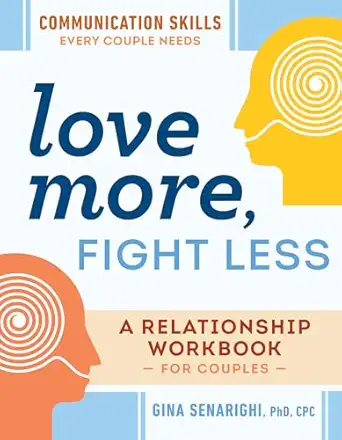 | Best Value Workbook | Format: Paperback, Kindle | Primary focus: Communication skills and conflict reduction | Format style: Workbook with exercises and prompts | VIEW LATEST PRICE | See Our Full Breakdown |
| The Seven Principles for Making Marriage Work: A Practical Guide from the Country’s Foremost Relationship Expert |  | Best Research-Backed Guide | Format: Paperback, hardcover, Kindle, audiobook | Author: John Gottman, PhD, with Nan Silver | Primary focus: Seven research-based principles for marital stability | VIEW LATEST PRICE | See Our Full Breakdown |
| Rebuilding Trust: Guided Therapy Techniques and Activities to Restore Love, Trust, and Intimacy in Your Relationship |  | Best for Repair After a Breach | Format: Paperback, Kindle | Primary focus: Rebuilding trust, love, and intimacy after betrayal | Format style: Guided therapy techniques and couples activities | VIEW LATEST PRICE | See Our Full Breakdown |
| The 5 Love Languages: The Secret to Love That Lasts |  | Best Classic Framework | Author: Gary Chapman | Format: Paperback, hardcover, audiobook, e-book | Primary focus: Understanding expressions of love and appreciation | VIEW LATEST PRICE | See Our Full Breakdown |
| The Next Conversation: Argue Less, Talk More |  | Best for Everyday Communication Habits | Format: Hardcover, e-book, audiobook | Primary focus: Reducing arguments and improving everyday conversation | Core skill taught: Active listening and de-escalation | VIEW LATEST PRICE | See Our Full Breakdown |
| Fight Right: How Successful Couples Turn Conflict Into Connection |  | Best for Conflict-Prone Couples | Author: Relationship researchers (Gottman-influenced approach) | Format: Hardcover, e-book, audiobook | Primary focus: Conflict transformation and resolution | VIEW LATEST PRICE | See Our Full Breakdown |
| His Needs, Her Needs: Making Romantic Love Last |  | Best for Long-Married Couples | Author: Willard F. Harley Jr. | Format: Paperback, e-book, audiobook | Primary focus: Identifying and meeting emotional needs in marriage | VIEW LATEST PRICE | See Our Full Breakdown |
| Getting the Love You Want: A Guide for Couples, Third Edition |  | Best for Deep Emotional Work | Author: Harville Hendrix and Helen LaKelly Hunt | Edition: Third edition | Format: Paperback, e-book, audiobook | VIEW LATEST PRICE | See Our Full Breakdown |
| Relationship Workbook for Couples: 8-Week Program and Proven Strategies to Rebuild Trust, Resolve Conflict, Improve Communication, and Rekindle Intimacy |  | Best Structured Program | Format: Workbook with guided exercises | Program Length: 8 weeks | Primary Focus: Trust, conflict resolution, communication, intimacy | VIEW LATEST PRICE | See Our Full Breakdown |
| Communication Skills for Couples: Guide to Improve Communications, Resolve Conflict, Deepen Intimacy, Strengthen Marriage and Create a Healthy Relationship |  | Best Budget Entry Point | Format: Paperback guide | Primary Focus: Communication and conflict resolution | Secondary Focus: Intimacy and marriage strengthening | VIEW LATEST PRICE | See Our Full Breakdown |
| Hold Me Tight: Seven Conversations for a Lifetime of Love | 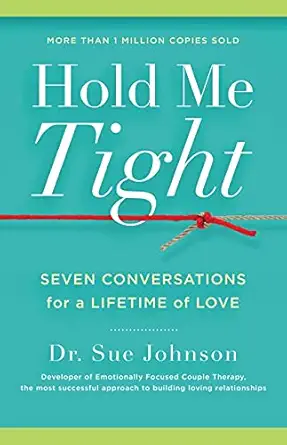 | Best for Deep Emotional Repair | Author: Dr. Sue Johnson | Format: Trade paperback | Framework: Emotionally Focused Therapy (EFT) | VIEW LATEST PRICE | See Our Full Breakdown |
| The Inner Work of Relationships: An Invitation to Heal Your Inner Child and Create a Conscious Relationship Together |  | Best for Individual Growth Within a Couple | Format: Book with reflective guidance | Primary Focus: Inner child healing and conscious partnership | Approach: Psychological and emotional self-work | VIEW LATEST PRICE | See Our Full Breakdown |
| The Hold Me Tight Workbook: A Couple’s Guide for a Lifetime of Love |  | Best Companion Workbook | Author: Dr. Sue Johnson | Format: Interactive couples workbook | Framework: Emotionally Focused Therapy (EFT) | VIEW LATEST PRICE | See Our Full Breakdown |
| relationship books for couple | Format | Primary focus | Audience | Approach |
|---|---|---|---|---|
| Eight Dates: Essential Convers | Hardcover, paperback, Kindle, audiobook | Structured conversations on eight core relationship topics | Committed couples at any stage | Research-based, experiential |
| Communicate Your Feelings | Paperback, Kindle | Conflict-free emotional expression and phrasing | Couples with frequent verbal conflict | Tactical, phrase-based |
| Love More | Paperback, Kindle | Communication skills and conflict reduction | Couples new to communication skill-building | Practical, exercise-driven |
| The Seven Principles for Makin | Paperback, hardcover, Kindle, audiobook | Seven research-based principles for marital stability | Married and long-term committed couples | Evidence-based, structured |
| Rebuilding Trust: Guided Thera | Paperback, Kindle | Rebuilding trust, love, and intimacy after betrayal | Couples recovering from infidelity or broken trust | Therapy-informed, healing-focused |
| The 5 Love Languages: The Secr | Paperback, hardcover, audiobook, e-book | Understanding expressions of love and appreciation | Dating, engaged, and married couples | — |
| The Next Conversation: Argue L | Hardcover, e-book, audiobook | Reducing arguments and improving everyday conversation | General readers and couples | — |
| Fight Right: How Successful Co | Hardcover, e-book, audiobook | Conflict transformation and resolution | Committed couples with recurring conflict | Research-based, clinically informed |
| His Needs | Paperback, e-book, audiobook | Identifying and meeting emotional needs in marriage | Married and long-committed couples | — |
| Getting the Love You Want: A G | Paperback, e-book, audiobook | Understanding partner dynamics and emotional intimacy | Committed couples ready for deep work | Psychology-based; roots in Imago relationship theory |
| Relationship Workbook for Coup | Workbook with guided exercises | Trust, conflict resolution, communication, intimacy | — | Structured weekly program with proven strategies |
| Communication Skills for Coupl | Paperback guide | Communication and conflict resolution | — | Practical strategy guide |
| Hold Me Tight: Seven Conversat | Trade paperback | Emotional attachment and bonding | — | — |
| The Inner Work of Relationship | Book with reflective guidance | Inner child healing and conscious partnership | — | Psychological and emotional self-work |
| The Hold Me Tight Workbook: A | Interactive couples workbook | Emotional bonding exercises | — | — |
More Details on Our Top Picks
Eight Dates: Essential Conversations for a Lifetime of Love
Eight Dates earns the top spot because it turns reading into doing. Instead of lecturing couples about communication theory, it structures eight actual dates around topics like trust, conflict, and money — so the book functions as a shared experience rather than a solo read. Compared with The Seven Principles for Making Marriage Work, which delivers expert insight but leaves execution to you, Eight Dates builds the activity directly into each chapter. The tradeoff is focus: it is a conversation guide, not a comprehensive relationship manual, so couples with serious conflict or trust ruptures will need something like Rebuilding Trust instead. For healthy couples who want to go deeper, this pick makes the most sense.
Pros:- Turns reading into shared date-night experiences rather than passive learning
- Covers the major flashpoint topics couples fight about: money, sex, trust, and conflict
- Backed by research from the Gottman Institute team
- Accessible tone works for couples who dislike self-help jargon
Cons:- Requires scheduling eight real dates — couples with chaotic schedules may stall out
- Not a substitute for therapy or a deep diagnostic guide to relationship problems
Best for: Committed couples in a stable relationship who want a structured, date-night format for deeper conversations
Not ideal for: Couples in crisis or dealing with infidelity — the conversation format assumes a foundation of goodwill that may not exist
- Format:Hardcover, paperback, Kindle, audiobook
- Authors:John Gottman and Julie Schwartz Gottman with Doug Abrams and Rachel Carlton Abrams
- Primary focus:Structured conversations on eight core relationship topics
- Format style:Date-based activity guide with question prompts
- Audience:Committed couples at any stage
- Approach:Research-based, experiential
Our verdict“Buy this if you want the most actionable, couples-do-it-together book in the roundup; skip it if you need crisis-level repair work.”
Communicate Your Feelings (Without Starting a Fight): What to Say and What Not to Say to Your Partner
This pick stands out for a narrow, useful promise: what to actually say when emotions run high. Where Love More, Fight Less works through a broader skill-building program, this book operates more like a phrase-level field guide, giving couples concrete scripts for moments when they are too frustrated to improvise well. That specificity is its strength and its ceiling. Readers wanting theory, exercises, or a multi-week plan — the things The Seven Principles for Making Marriage Work provides in depth — will find it thin. But for the partner who keeps unintentionally escalating arguments with poor wording, this is the most immediately usable option in the lineup.
Pros:- Provides literal scripts and phrasing rather than abstract communication theory
- Short and readable — can be finished in a sitting or two
- Directly targets the escalation problem most couples argue about
Cons:- Narrow scope leaves out root-cause work on trust, intimacy, and long-term dynamics
- Script-based advice can feel formulaic if your conflicts are complex or long-standing
Best for: Partners who struggle with wording in the heat of the moment and want ready-to-use phrases rather than theory
Not ideal for: Readers seeking a structured program or deeper exploration of relationship dynamics — this is tactical, not strategic
- Format:Paperback, Kindle
- Primary focus:Conflict-free emotional expression and phrasing
- Format style:Practical scripts and say/don’t-say guidance
- Length:Short-form read
- Audience:Couples with frequent verbal conflict
- Approach:Tactical, phrase-based
Our verdict“This is the right choice if your fights are caused by how things get said, not what’s underneath them.”
Love More, Fight Less: Communication Skills Every Couple Needs
Love More, Fight Less occupies the sweet spot between a book you read and a workbook you complete. It is more affordable and more exercise-driven than The Seven Principles for Making Marriage Work, and more skills-focused than Eight Dates, which centers on conversations rather than practice. The hands-on exercises are what justify its place here: couples finish chapters having actually rehearsed a technique, not just read about one. The tradeoff is authority — it lacks the decades of clinical research behind the Gottman titles, and some exercises will feel repetitive if you have already worked through other communication books. As an affordable entry point, though, it outperforms its price class.
Pros:- Workbook format forces active practice instead of passive reading
- Affordable compared with premium relationship titles
- Broad coverage: conflict resolution, connection, and everyday communication skills
Cons:- Less research depth than Gottman-backed titles like Eight Dates
- Exercise quality varies, and momentum depends on both partners participating
Best for: Budget-conscious couples who want a guided workbook with exercises rather than another book of advice
Not ideal for: Couples who have already done communication workbooks — much of the material will feel familiar
- Format:Paperback, Kindle
- Primary focus:Communication skills and conflict reduction
- Format style:Workbook with exercises and prompts
- Price tier:Budget-friendly
- Audience:Couples new to communication skill-building
- Approach:Practical, exercise-driven
Our verdict“The best low-cost way for a couple to start practicing communication skills together this weekend.”
The Seven Principles for Making Marriage Work: A Practical Guide from the Country’s Foremost Relationship Expert
If you want the most authoritative book on this list, this is it. John Gottman’s Seven Principles distills decades of observational research on what makes marriages succeed or fail, which gives it a weight that lighter titles like Love More, Fight Less can’t match. Compared with Eight Dates — written by the same research family — it offers the full framework rather than a curated conversation series. The tradeoff is effort and tone: some chapters read like a clinical guide, the advice occasionally feels generic, and the principles only pay off if both partners commit to applying them. It rewards serious readers; casual ones may abandon it halfway.
Pros:- Grounded in 40+ years of Gottman research on thousands of couples
- Includes self-tests and exercises to diagnose your relationship’s strengths and weak spots
- Explains root causes of marital failure, not just symptoms
- Widely recommended by therapists as a between-sessions resource
Cons:- Denser and more clinical than conversational picks like Eight Dates
- Principles require sustained effort to implement — reading alone changes little
Best for: Married or long-term couples who want evidence-based understanding of why relationships succeed, not just quick tips
Not ideal for: Couples wanting a light, date-night-style read — the density and homework here demand real commitment
- Format:Paperback, hardcover, Kindle, audiobook
- Author:John Gottman, PhD, with Nan Silver
- Primary focus:Seven research-based principles for marital stability
- Format style:Guide with quizzes, exercises, and case studies
- Research basis:Gottman Institute longitudinal marriage studies
- Audience:Married and long-term committed couples
- Approach:Evidence-based, structured
Our verdict“The definitive pick for couples who want the research-proven playbook and are willing to work through it together.”
Rebuilding Trust: Guided Therapy Techniques and Activities to Restore Love, Trust, and Intimacy in Your Relationship
Every roundup needs a specialist, and this is it. While The Seven Principles for Making Marriage Work assumes a functioning marriage and optimizes it, Rebuilding Trust starts from broken ground — infidelity, betrayal, or chronic broken promises. Its therapy-derived techniques make it a step beyond general workbooks like Relationship Workbook for Couples, which covers trust as one topic among many rather than the whole mission. Be clear-eyed about the tradeoffs: healing work demands genuine effort from both partners, progress is measured in months not chapters, and a book cannot replace a real therapist when a relationship is on the line. As a supplement or starting point, though, it fills a gap nothing else here addresses.
Pros:- Focused entirely on trust repair rather than general relationship maintenance
- Uses guided techniques modeled on actual couples therapy practices
- Addresses love, trust, and intimacy as interconnected pieces of recovery
- Gives couples a shared roadmap during a chaotic emotional period
Cons:- Requires sustained commitment from both partners to produce results
- Not a replacement for professional therapy in severe cases of betrayal
Best for: Couples recovering from infidelity or a serious betrayal who want structured, therapy-style exercises to guide repair
Not ideal for: Couples with baseline health just looking to improve communication — this intense material is unnecessary and may feel heavy
- Format:Paperback, Kindle
- Primary focus:Rebuilding trust, love, and intimacy after betrayal
- Format style:Guided therapy techniques and couples activities
- Specialty:Post-breach relationship repair
- Audience:Couples recovering from infidelity or broken trust
- Approach:Therapy-informed, healing-focused
Our verdict“The only pick here purpose-built for couples in repair mode — get it if trust, not communication style, is your core wound.”
The 5 Love Languages: The Secret to Love That Lasts
Decades after its original release, this remains the most recognizable framework in couples’ self-help, and for good reason: the five-languages concept is simple enough to explain on a first date and sticky enough to change how partners interpret everyday gestures. Compared with Fight Right, which zeroes in on conflict moments, this book works upstream — it helps couples prevent resentment by teaching them to express affection the way their partner actually receives it. The tradeoff is that its breadth over depth leaves serious problems like betrayal or chronic conflict largely unaddressed, and readers expecting exercises will find fewer structured activities than in the Relationship Workbook for Couples. This pick makes the most sense as a shared vocabulary-builder rather than a repair manual.
Pros:- Gives couples a shared, easy-to-remember vocabulary for affection
- Concepts are accessible to reluctant or non-reader partners
- Widely recommended by counselors and clergy as a first book
- Applicable beyond romance — useful with kids and family too
Cons:- Concepts get repetitive across chapters
- Thin on guidance for serious conflict or betrayal
- Requires ongoing effort to apply, not a quick fix
Best for: Couples in stable relationships who want a simple shared language for expressing affection and feeling more appreciated day to day
Not ideal for: Couples in active crisis — recurring conflict or broken trust needs the targeted conflict tools of Fight Right or Rebuilding Trust instead
- Author:Gary Chapman
- Format:Paperback, hardcover, audiobook, e-book
- Primary focus:Understanding expressions of love and appreciation
- Framework:Five love languages
- Structure:Concept chapters with real-life couple examples
- Audience:Dating, engaged, and married couples
- Reading style:Light, conversational; minimal exercises
- Track record:Long-running bestseller with multiple editions
Our verdict“The default first purchase for couples who want a simple framework to feel more loved, not a manual for repairing deep ruptures.”
The Next Conversation: Argue Less, Talk More
Where Love More, Fight Less bundles communication skills into broader couple work, this book stays tightly focused on a single outcome: fewer arguments in daily conversation. Its strategies center on listening habits and de-escalation phrasing, which makes it a natural fit for couples whose problems show up less as blowout fights and more as a slow grind of miscommunication. Compared with Eight Dates, which structures connection around planned conversations, this one equips you for the unplanned ones — the tense text thread, the disagreement about chores. The honest drawback is that detailed reader feedback is limited for this newer title, so unlike The 5 Love Languages there’s no long track record to lean on, and its couple-specific content is lighter than Fight Right.
Pros:- Tight focus on a single, actionable skill set
- Strategies apply to conversations with anyone, not just partners
- Emphasizes listening over winning arguments
- Approachable for readers new to relationship books
Cons:- Newer title with limited established reader feedback
- Less couple-specific depth than dedicated couples titles
- Not aimed at serious relationship repair
Best for: Partners who bicker constantly over small things and want practical phrasing and listening techniques, not deep therapy work
Not ideal for: Couples dealing with deep-seated conflict patterns or trust damage — this covers conversational tactics, not underlying repair
- Format:Hardcover, e-book, audiobook
- Primary focus:Reducing arguments and improving everyday conversation
- Core skill taught:Active listening and de-escalation
- Structure:Practical strategy chapters
- Audience:General readers and couples
- Difficulty level:Beginner-friendly
- Exercise content:Light; strategy-driven rather than workbook-style
Our verdict“A solid pick for low-friction daily communication improvement when big-framework books feel like overkill.”
Fight Right: How Successful Couples Turn Conflict Into Connection
This is the pick for couples whose real problem isn’t affection — it’s what happens when they disagree. Reframing conflict as a doorway to intimacy rather than a threat, it stands closer to clinical practice than The 5 Love Languages, and it shares DNA with Hold Me Tight in treating conflict as attachment in disguise. The difference: Fight Right is more tactical, giving couples concrete moves for the middle of an argument, while Hold Me Tight leans on longer structured conversations. That tactical focus is also the tradeoff — pairs who rarely fight will find less here than in Getting the Love You Want, and readers wanting written exercises should note the companion workbook format of The Hold Me Tight Workbook fills that gap better.
Pros:- Treats conflict as normal rather than shameful
- Grounded in decades of couples research
- Tactical advice usable mid-argument
- Strengthens communication skills beyond conflict moments
Cons:- Overkill for couples who rarely argue
- Denser than lightweight titles like The 5 Love Languages
- Limited standalone exercises compared with workbook-style options
Best for: Couples stuck in repeating fight cycles who want a research-grounded method for arguing productively instead of avoiding arguments
Not ideal for: Low-conflict couples seeking general intimacy building — the material assumes conflict is a central feature of the relationship
- Author:Relationship researchers (Gottman-influenced approach)
- Format:Hardcover, e-book, audiobook
- Primary focus:Conflict transformation and resolution
- Approach:Research-based, clinically informed
- Structure:Concept chapters with couple scenarios
- Audience:Committed couples with recurring conflict
- Difficulty level:Intermediate — assumes relationship commitment
Our verdict“If fights are your relationship’s weak point, this is the most targeted tool in the lineup.”
His Needs, Her Needs: Making Romantic Love Last
Of the books in this lineup, this one is the most explicitly aimed at marriage preservation rather than general connection. Its checklist of ten emotional needs — and the frank discussion of how unmet needs drift toward affairs — gives it a blunter, more directive tone than Getting the Love You Want, which favors psychological exploration of partner dynamics. That directness is the appeal: long-married couples often prefer being told what to protect rather than being asked to reflect. The dated gender-framed title is a real limitation compared with newer, neutral titles like Love More, Fight Less, and some readers will want to translate the advice past its traditional framing. Still, for marriages where romantic love has quietly faded, the needs-audit exercise is genuinely clarifying.
Pros:- Concrete checklist of ten emotional needs to assess together
- Directly addresses why affairs happen and how to prevent them
- Practical rather than abstract — built for action
- Strong track record as a marriage-staple title
Cons:- Gendered framing feels dated to many readers
- Less useful for communication or conflict skills
- Requires sustained reading and discussion to pay off
Best for: Long-married couples who feel more like roommates than partners and want a direct, structured audit of what’s missing
Not ideal for: Modern readers put off by gendered framing, or couples needing conflict-resolution tools this book doesn’t prioritize
- Author:Willard F. Harley Jr.
- Format:Paperback, e-book, audiobook
- Primary focus:Identifying and meeting emotional needs in marriage
- Framework:Ten vital emotional needs
- Structure:Needs-based chapters with couple examples
- Audience:Married and long-committed couples
- Tone:Direct and prescriptive
- Edition history:Long-running title with revised editions
Our verdict“A blunt, marriage-first diagnostic for established couples, best for readers who can look past its traditional framing.”
Getting the Love You Want: A Guide for Couples, Third Edition
This is the heavyweight of the batch — the book for couples who want to understand why they trigger each other, not just how to talk nicer. Its premise that childhood patterns shape adult partnership dynamics puts it in the same therapeutic lineage as The Inner Work of Relationships, but with a more established, structured methodology refined across three editions. Compared with His Needs, Her Needs, it trades prescriptive checklists for psychological depth, which pays off for self-aware couples but demands real patience — this is the biggest time investment on this list, and results arrive slowly. Pairs wanting quick tactical wins should start with Fight Right or The Next Conversation instead and graduate here when they’re ready to dig.
Pros:- Addresses root psychological patterns, not surface symptoms
- Refined methodology across three editions
- Deepens emotional intimacy beyond communication skills
- Useful alongside couples therapy as homework
Cons:- Significant time and emotional commitment required
- Denser and slower than lighter titles like The 5 Love Languages
- Concepts can feel abstract without a therapist’s guidance
Best for: Reflective couples willing to invest serious time exploring the psychological roots of their relationship patterns
Not ideal for: Couples wanting fast, practical fixes — the pace and depth will frustrate anyone looking for immediate communication tactics
- Author:Harville Hendrix and Helen LaKelly Hunt
- Edition:Third edition
- Format:Paperback, e-book, audiobook
- Primary focus:Understanding partner dynamics and emotional intimacy
- Approach:Psychology-based; roots in Imago relationship theory
- Structure:Exploratory chapters with couples exercises
- Audience:Committed couples ready for deep work
- Time commitment:High
Our verdict“The deepest-dive option here — choose it only if you and your partner are ready for slow, transformative inner work.”
Relationship Workbook for Couples: 8-Week Program and Proven Strategies to Rebuild Trust, Resolve Conflict, Improve Communication, and Rekindle Intimacy
Couples who flounder without a clear plan will find the appeal here obvious: this is a week-by-week curriculum rather than a book you passively read. Compared with Hold Me Tight, which explains the theory behind emotional bonding, this option hands you concrete homework from day one, which matters if you and your partner repair better through doing than discussing. It also covers a wider repair scope than Love More, Fight Less, folding trust rebuilding and intimacy into the same eight-week arc instead of focusing mainly on communication. The tradeoff is real, though: an eight-week commitment demands consistency from both partners, and couples in crisis may struggle to sustain momentum. This pick makes the most sense for pairs who want accountability and structure over open-ended reflection.
Pros:- Clear 8-week structure creates accountability
- Covers trust, conflict, communication, and intimacy together
- Practical exercises instead of abstract theory
- Works well as a self-paced couples project
Cons:- Demands sustained effort across two full months
- Less depth on the psychology behind why techniques work
Best for: Motivated couples recovering from a breach of trust who want a scheduled, guided plan rather than open-ended reading
Not ideal for: Couples where one partner is disengaged — the program collapses without participation from both sides
- Format:Workbook with guided exercises
- Program Length:8 weeks
- Primary Focus:Trust, conflict resolution, communication, intimacy
- Approach:Structured weekly program with proven strategies
- Best Use:Active couples’ self-improvement project
- Participation Required:Both partners
Our verdict“Choose this if you and your partner want a scheduled, exercise-driven rehab program rather than another book to discuss.”
Communication Skills for Couples: Guide to Improve Communications, Resolve Conflict, Deepen Intimacy, Strengthen Marriage and Create a Healthy Relationship
For couples testing the self-help waters without spending much, this guide delivers a broad communication toolkit at an entry-level price. Where The 5 Love Languages organizes everything around one framework, this book spreads across multiple skills — de-escalation, conflict resolution, intimacy-building — making it a better fit for readers who want variety rather than a single organizing theory. Compared with Communication Skills for Couples-style competitors like Love More, Fight Less, it is lighter and faster to finish, though that brevity means less depth on any one skill. There is also little established track record or reader base to lean on, unlike Gottman’s Seven Principles. Still, as a low-risk first purchase or a refresher between heavier books, this option covers the fundamentals without overwhelming a reluctant partner.
Pros:- Affordable and widely accessible
- Covers communication, conflict, and intimacy in one volume
- Short enough for reluctant readers to actually finish
- Practical strategies without dense theory
Cons:- Limited reader reviews and established reputation
- Skims surface-level on each skill rather than mastering any
Best for: Budget-conscious couples or skeptical partners who want an affordable, low-commitment starting book
Not ideal for: Couples with deep-seated conflict patterns — the coverage is broad but shallow
- Format:Paperback guide
- Primary Focus:Communication and conflict resolution
- Secondary Focus:Intimacy and marriage strengthening
- Approach:Practical strategy guide
- Depth Level:Beginner-friendly overview
- Best Use:First couples self-help book
Our verdict“A sensible low-cost first step for couples curious about communication books, as long as you temper expectations on depth.”
Hold Me Tight: Seven Conversations for a Lifetime of Love
Dr. Sue Johnson’s Hold Me Tight stands apart in this lineup for its clinically grounded emotional focus. While The 5 Love Languages gives you a taxonomy of affection and Eight Dates offers scripted conversation starters, this book targets the attachment patterns underneath recurring conflict — the panic beneath a fight about dishes. The seven-conversation structure gives couples a repeatable roadmap, which is why therapists recommend it so often. The tradeoff: it asks more of readers emotionally than lighter picks like Communicate Your Feelings (Without Starting a Fight), and pairs purely seeking tactical scripts may find the theory-heavy passages slow going. Compared with its companion Hold Me Tight Workbook, this original is the better entry point — read it first, then decide whether you want the exercises.
Pros:- Grounded in Emotionally Focused Therapy (EFT) research
- Seven-conversation structure is repeatable and clear
- Addresses root attachment patterns, not surface behavior
- Widely recommended by couples therapists
Cons:- Denser and more emotionally demanding than lighter guides
- Case studies and theory slow the pace for practical-minded readers
Best for: Couples stuck in repeating conflict cycles who want to understand the emotional roots, not just manage symptoms
Not ideal for: Readers wanting quick scripts or bullet-point tactics — the emotional theory requires patience
- Author:Dr. Sue Johnson
- Format:Trade paperback
- Framework:Emotionally Focused Therapy (EFT)
- Structure:Seven guided conversations
- Primary Focus:Emotional attachment and bonding
- Companion Product:The Hold Me Tight Workbook
- Best Use:Deep relationship repair
Our verdict“The strongest pick for couples who want to understand <em>why</em> they fight, provided both partners are willing to go deeper than tactics.”
The Inner Work of Relationships: An Invitation to Heal Your Inner Child and Create a Conscious Relationship Together
Most books in this roundup treat the relationship as the unit of change; this one argues the work starts inside each partner. Framed around inner child healing, it suits couples whose conflicts trace back to old wounds — the triggered fights that never seem to be about the present topic. Compared with Getting the Love You Want, which covers similar territory through Imago therapy, this option leans more explicitly into personal emotional healing and conscious partnership language. It is a sharp contrast with practical picks like Fight Right, which stays at the level of conflict behavior. That depth is also the drawback: readers without any background in inner child concepts may feel lost early, and couples wanting concrete communication scripts will find fewer of them here. Pair it with a tactical book for balance.
Pros:- Targets root emotional wounds rather than symptoms
- Bridges individual healing and shared partnership
- Strong fit for readers already in therapy or personal growth work
- Frames conflict as an opportunity for mutual healing
Cons:- Assumes some familiarity with inner child concepts
- Few concrete scripts or exercises for day-to-day conflict
Best for: Self-aware couples who recognize old wounds and triggers driving their conflicts and want to heal the source
Not ideal for: Couples seeking immediate communication tools — the payoff here is slower and requires psychological openness
- Format:Book with reflective guidance
- Primary Focus:Inner child healing and conscious partnership
- Approach:Psychological and emotional self-work
- Prerequisites:Helpful to have some inner child concept familiarity
- Best Use:Couples combining personal growth with relationship work
- Depth Level:Advanced / introspective
Our verdict“A rewarding choice for couples ready to examine their own baggage, but pair it with a practical guide for everyday tools.”
The Hold Me Tight Workbook: A Couple’s Guide for a Lifetime of Love
Think of this as the hands-on extension of Dr. Sue Johnson’s original Hold Me Tight. Where the parent book explains the theory of emotional attachment, this workbook converts it into structured exercises and conversation prompts couples actually complete together. Compared with the Relationship Workbook for Couples 8-week program, it is less rigidly scheduled but more therapeutically anchored — every exercise traces back to EFT research rather than general relationship advice. The catch mirrors its strength: it presumes both partners are bought in, and it works far better after reading the original, so budget for two books. It also is not a substitute for professional help in serious situations like active infidelity or abuse. For couples who read Hold Me Tight, nodded along, and asked “now what?” — this is the answer.
Pros:- Converts EFT theory into concrete couple exercises
- Grounded in a clinically validated therapeutic approach
- Conversation prompts keep sessions focused and productive
- Strong companion for Hold Me Tight readers
Cons:- Requires full buy-in and active participation from both partners
- Works best only after reading the original book
Best for: Couples who finished Hold Me Tight and want guided exercises to put EFT principles into practice
Not ideal for: Couples facing severe crises like ongoing infidelity — this needs professional support, not a workbook
- Author:Dr. Sue Johnson
- Format:Interactive couples workbook
- Framework:Emotionally Focused Therapy (EFT)
- Primary Focus:Emotional bonding exercises
- Companion To:Hold Me Tight: Seven Conversations for a Lifetime of Love
- Participation Required:Both partners, active exercises
- Best Use:Practicing attachment-based conversations
Our verdict“The natural second purchase for Hold Me Tight fans — buy it only if both partners will actually do the exercises.”

How We Picked
I evaluated each book against four criteria that actually predict whether a couple will benefit from it. Evidence base came first: titles grounded in clinical research or established therapeutic frameworks (Gottman method, Emotionally Focused Therapy, imago therapy) ranked above those built on personal philosophy alone. Usability for two people mattered equally — a book only helps a relationship if both partners can engage with it, so I favored titles with clear exercises, conversation scripts, and chapter structures a couple can follow together week by week. Problem specificity separated the middle of the pack from the top: books that name the exact scenario they address (betrayal recovery, chronic fighting, emotional distance) outperform one-size-fits-all titles. Finally, I weighed accessibility, because a brilliant framework written in dense clinical language helps no one.
The ranking reflects this logic. Research-backed, action-oriented books sit at the top; targeted recovery guides fill the middle; lighter, broader-appeal titles rank lower not because they are bad, but because their generic advice is easier to outgrow. Where two books cover similar ground, I chose the one with clearer instructions or stronger evidence behind its method.
Factors to Consider When Choosing Relationship Books For Couples
Choosing a relationship book is less about finding the “best” title and more about matching the book to your relationship’s specific stage and struggle. These are the factors that separate a book that changes how you communicate from one that sits unread on a nightstand.Match the Book to Your Actual Problem
The most common mistake couples make is buying a general “improve your relationship” book when they have a specific wound that needs targeted treatment. A book about love languages will not repair an affair, and a betrayal-recovery workbook will feel heavy-handed for a couple that simply bickers about chores. Before buying, name your issue in one sentence: “we fight about the same thing repeatedly,” “we’ve drifted apart,” or “trust is broken.” That single sentence should drive your purchase, because the titles in this category are far more specialized than their covers suggest. Couples who buy for their real problem finish the book; couples who buy for a vague goal usually abandon it by chapter three.
Workbook or Reading Book — Know What You’re Signing Up For
Structured workbooks like Eight Dates or the Relationship Workbook for Couples require scheduled time together, usually weekly, with both partners actively participating. That structure is exactly why they produce results — but it is also why they fail when one partner is half-hearted. Traditional reading books like The 5 Love Languages or His Needs, Her Needs can be absorbed independently, which lowers the barrier to starting, but they shift the burden onto you to translate ideas into conversations. A useful rule: if both partners are motivated, choose the workbook; if you are buying this partly to nudge a reluctant partner, start with a readable book they can finish on their own. Many couples use both — a reading book to build shared vocabulary, then a workbook to practice it.
Evidence Base Versus Personal Philosophy
Some of the best-selling relationship books ever written rest on one therapist’s intuition, while quieter titles rest on decades of observational data. Neither guarantees success, but the evidence-backed approaches (Gottman’s research on what predicts divorce, Sue Johnson’s Emotionally Focused Therapy studies) have documented outcomes you can look up. Philosophy-driven books can still offer genuine insight — Getting the Love You Want has helped couples for decades — but be prepared for frameworks that are harder to verify. If you are skeptical of self-help in general, starting with a research-backed title builds trust in the process. If you respond to a strong authorial voice, the philosophical camp may resonate more.
Consider Both Partners’ Emotional Readiness
Deep-dive books like Hold Me Tight deliberately surface painful emotions and old attachment wounds. For a couple at a stable point who want to deepen intimacy, that intensity is the point. For a couple still in acute crisis — active resentment, recent betrayal, or one partner on the verge of leaving — that same intensity can trigger shutdowns or blowups. In crisis, start with a skills-first book that teaches de-escalation before attempting emotional excavation. Timing is a buying factor most couples ignore: the right book at the wrong moment does nothing, and the wrong book at a fragile moment can make things worse. When in doubt, skills books before depth books.
Format and Pace Fit Your Life
An eight-week program sounds manageable until a business travel month or a new baby derails week three. Shorter, modular books with standalone chapters forgive skipped weeks; sequential programs build on prior exercises and lose power when you fall behind. Audiobook availability matters for couples with long commutes — some partners absorb these books far better by ear than on a page. Also check whether the book includes printable or writable worksheets, since many workbooks assume you will write directly in them, which is awkward if you share a library copy or prefer a tablet. Pick the format you will realistically sustain, not the one that sounds most disciplined.
When a Book Is Not Enough
Books excel at building skills, shared language, and prevention — they are weaker as a substitute for therapy when a relationship is in serious distress. If there is active addiction, ongoing infidelity, contempt, or any form of abuse, a book should complement professional help, not replace it. Several titles in this roundup, including Hold Me Tight, are frequently assigned by couples therapists as homework between sessions, which is a good signal of where they fit. If you have already read two or three communication books and the same fight keeps happening, that pattern itself is the argument for bringing in a professional. The best books make change feel possible; a therapist makes change stick under pressure.
Frequently Asked Questions
Can a relationship book actually help a couple in serious trouble, or do we need therapy?
It depends on the kind of trouble. Books are genuinely effective for communication patterns, conflict habits, emotional distance, and prevention — these are skill-based problems that structured exercises can shift. Serious trouble like repeated betrayal, contempt, addiction, or one partner already checked out usually needs a therapist, and a book used alone in those situations often just delays real help. A practical middle path many couples take is reading a book like The Seven Principles or Hold Me Tight first, then deciding whether to escalate to therapy based on how the exercises go. If a book sparks productive conversations within the first few chapters, that is a good sign you can keep going. If every exercise turns into a fight, that itself is diagnostic information worth bringing to a professional.
Should both partners read the book, or is it enough for one of us to read it?
Both partners engaging gives dramatically better results, but the type of book determines how much that matters. Conversation-driven books like Eight Dates are built for joint participation and lose most of their value if one person goes solo. Concept-driven books like The 5 Love Languages can still help a single reader change their own behavior — often the partner notices and softens in response. If your partner is reluctant, avoid assigning them chapters, which reads as criticism; instead, share one specific takeaway that helped you and let curiosity do the recruiting. Many reluctant partners come on board after seeing a concrete script or exercise actually work once. Starting with a book you can finish alone is a legitimate strategy, not a compromise.
Is The 5 Love Languages still worth reading, or is it outdated?
It remains worth reading for couples who have never explored a relationship framework before, because it provides simple shared vocabulary for expressing needs — that alone can improve day-to-day interactions. Where it falls short is with entrenched problems: it was never designed to address chronic conflict, betrayal, or attachment wounds, and couples who expect it to fix deep issues often end up disappointed. The framework has also drawn fair criticism for being used prescriptively, as if people have exactly one fixed language, when most couples are better served by treating the five categories as conversation starters. Compared with research-grounded titles like The Seven Principles, it is shallower but far faster to absorb. Treat it as an entry point rather than a destination, and it earns its place on the shelf.
What’s the difference between Hold Me Tight and The Hold Me Tight Workbook, and which should we buy?
The original Hold Me Tight explains the Emotionally Focused Therapy framework through stories and the seven conversations, helping you understand why you and your partner get stuck in the same negative cycles. The workbook translates that same material into structured exercises with prompts, reflection questions, and space to write, making it better for couples who learn by doing rather than reading. If one partner resists reading long chapters, the workbook is the safer bet because the work feels contained and concrete. If you want to understand the emotional logic behind your conflicts before practicing anything, start with the original. Many couples begin with the book, hit a conversation they struggle with, then use the workbook to work through it more deliberately. You rarely need both unless EFT genuinely resonates with you.
How long should a couple expect to spend on one of these books before seeing results?
Most structured programs in this category are designed around six to eight weeks of weekly sessions, usually one to two hours each, plus short daily habits. Communication-focused books like Love More, Fight Less can produce noticeable shifts within the first two chapters because scripts and phrases get used immediately in real conversations. Depth-oriented books like Getting the Love You Want take longer — often three months or more — because they ask you to revisit old patterns rather than just learn new phrases. The honest timeline for lasting change is closer to three to six months of practice, with the book serving as scaffolding rather than a cure. Couples who set a recurring calendar slot finish at far higher rates than those who wait for free evenings to appear, so treat the schedule as part of the purchase.
Conclusion
For most couples, Eight Dates is the best overall choice — it combines Gottman-backed research with a format both partners will actually complete, and it works whether your relationship is solid or strained. For best value, Love More, Fight Less delivers practical communication scripts at a lower commitment than the workbook-style picks. For the premium, deepest-change option, Hold Me Tight (paired with its workbook if you want exercises) offers the most transformative material in the lineup, provided both partners are emotionally ready. Beginners should start with The 5 Love Languages for a gentle, fast-reading introduction before graduating to heavier frameworks. For specific needs: married couples wanting research-backed guidance should choose The Seven Principles, couples rebuilding after broken trust need Rebuilding Trust, and anyone who wants a structured week-by-week program without reading dense theory should pick the Relationship Workbook for Couples. Whichever you choose, the book only works if both of you open it — so pick the one your partner will actually read, not the one with the best reputation.
Fall Picks
fall essentials
As an affiliate, we earn on qualifying purchases.