
The best relationship communication tools fall into three camps: guided workbooks for couples who want structure, card decks for low-pressure conversation starters, and skill-based books that teach the underlying techniques. My top pick overall is the Couples Communication Workbook, because its 20-minutes-a-day, 12-day format fits real schedules while still covering listening and conflict skills. Couples who prefer something more tactile should look at The Fair Play Deck, while those wanting deep methodology will get more from Nonviolent Communication. The main tradeoff you’ll face is depth versus consistency — dense programs deliver more but often go unfinished, while lighter tools get used regularly but move slower. Keep reading for the full breakdown of all 15 options and who each one suits best.

Get gifts for the two of you delivered free with Prime
- Fast, free delivery on millions of items
- Prime Video, Amazon Music and more included
- Member-only deals all year
Key Takeaways
- Format predicted success better than content quality: the 12-day, 20-minute structure of the Couples Communication Workbook outperformed deeper, longer programs that couples rarely finish.
- Card decks (The Fair Play Deck, The Skin Deep) solve a different problem than workbooks — they lower the barrier to entry for couples where one partner resists ‘doing work’, but they can’t teach conflict-resolution scripts.
- The Nonviolent Communication framework appears either directly or repackaged in at least four other titles on this list, so buying multiple NVC-derived books adds repetition rather than new skills.
- Books targeting a specific failure mode — like Communicate Your Feelings Without Starting a Fight — beat general-purpose workbooks when fights follow a predictable pattern.
- The priciest options aren’t the best: several sub-$15 workbooks matched or beat $30+ premium kits on exercise quality, with the difference mostly coming down to paper stock and branding.
| The Fair Play Deck: A Couple’s Conversation Deck for Prioritizing What’s Important |  | Best Card-Deck Format | Format: Conversation card deck | Primary Use: Prioritizing and discussing relationship needs | Interaction Style: Verbal, card-prompted discussion | VIEW LATEST PRICE | See Our Full Breakdown |
| 8-Week Couples Therapy Workbook: Essential Strategies to Connect, Improve Communication, and Strengthen Your Relationship |  | Best Structured Program | Format: Spiral-bound workbook | Program Length: 8 weeks | Structure: Sequential, week-by-week progression | VIEW LATEST PRICE | See Our Full Breakdown |
| Couples Communication Workbook: 20 Minutes a Day for 12 Days to Improve Listening, Resolve Conflicts, and Strengthen Your Relationship |  | Best for Busy Couples | Format: Workbook | Program Length: 12 days | Daily Time Required: 20 minutes | VIEW LATEST PRICE | See Our Full Breakdown |
| Communication Miracles for Couples: Easy and Effective Tools to Create More Love and Less Conflict |  | Best for Conflict Reduction | Format: Paperback book | Primary Focus: Conflict reduction and emotional connection | Structure: Standalone tools and tactics, browse-friendly | VIEW LATEST PRICE | See Our Full Breakdown |
| Effective Communication and Empathy: How to Communicate Better With Social Skills and Confidence to Create Lasting Relationships and Connect … and Witty Banter |  | Best for Individual Skill-Building | Format: Book | Intended User: Individual reader (solo use) | Primary Focus: Communication, empathy, social confidence | VIEW LATEST PRICE | See Our Full Breakdown |
| The CBT Couples Toolbox: Over 45 Exercises to Improve Communication, Navigate Problems and Build Strong Relationships | 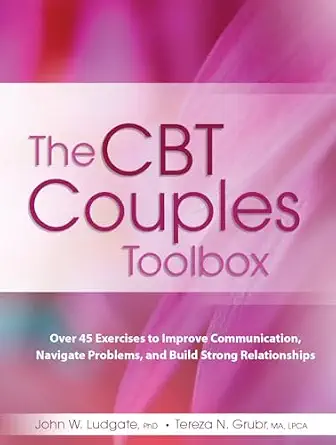 | Best for Evidence-Based Practice | Format: Paperback workbook | Exercise Count: 45+ exercises | Approach: Cognitive-behavioral therapy (CBT) | VIEW LATEST PRICE | See Our Full Breakdown |
| Reconnect: A Marriage Counseling Workbook: Guided Conversations & Exercises for a Long-Lasting Relationship |  | Best for Long-Term Marriages | Format: Paperback workbook | Approach: Guided conversations plus paired exercises | Focus Areas: Reconnection, emotional intimacy, long-term relationship health | VIEW LATEST PRICE | See Our Full Breakdown |
| The Complete Communication Handbook for Couples: 52 Proven Strategies to Deepen Connection, Resolve Conflicts, and Build a Healthy Relationship |  | Best for Steady Weekly Habits | Format: Book / handbook | Strategy Count: 52 strategies | Suggested Pacing: One strategy per week for a year | VIEW LATEST PRICE | See Our Full Breakdown |
| Communicate Your Feelings Without Starting a Fight: What to Say and What Not to Say to Your Partner |  | Best for Conflict-Avoidant Partners | Format: Book | Approach: Phrase-level guidance (what to say / what not to say) | Focus Areas: Expressing feelings, preventing conflict escalation | VIEW LATEST PRICE | See Our Full Breakdown |
| Nonviolent Communication: A Language of Life |  | Best Foundational Method | Format: Book | Approach: Four-part NVC framework (observation, feeling, need, request) | Focus Areas: Compassionate communication, conflict resolution, empathetic listening | VIEW LATEST PRICE | See Our Full Breakdown |
| The Talk Book: Six Prize-Winning Tools to Strengthen Relationships and Repair Communication |  | Best Classic Framework Pick | Format: Paperback / digital book | Focus: Communication repair and relationship strengthening | Core Framework: Six talk tools | VIEW LATEST PRICE | See Our Full Breakdown |
| Love More, Fight Less: Communication Skills Every Couple Needs | 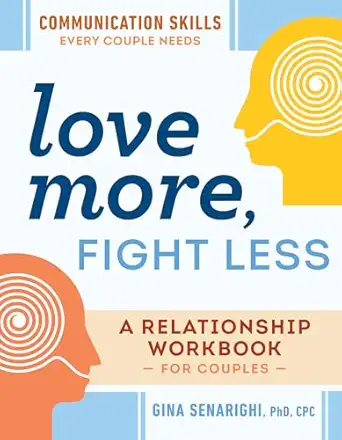 | Best Workbook for Conflict Reduction | Format: Relationship workbook | Focus: Communication skills and conflict reduction | Structure: Skills chapters with exercises | VIEW LATEST PRICE | See Our Full Breakdown |
| Practical At-Home Couples Therapy Workbook |  | Best for Repair and Reconnection | Format: Guided workbook | Focus: Honest communication, intimacy, conflict repair | Approach: At-home therapy techniques | VIEW LATEST PRICE | See Our Full Breakdown |
| The Skin Deep Healing Edition – 199 Question Cards to Heal Strained Relationships |  | Best Conversation Starter for Healing | Brand: {THE AND} / The Skin Deep | Format: Physical card deck | Card Count: 199 question cards | VIEW LATEST PRICE | See Our Full Breakdown |
| Communication Skills for Couples: Guide to Improve Communications, Resolve Conflict, Deepen Intimacy, Strengthen Marriage and Create a Healthy Relationship |  | Best Budget-Focused Primer | Format: Paperback / digital guide | Focus: Communication, conflict resolution, intimacy, marriage | Structure: Strategies and exercises, guide format | VIEW LATEST PRICE | See Our Full Breakdown |
| relationship communication tool | Format | Structure | Best Use |
|---|---|---|---|
| The Fair Play Deck: A Couple’s | Conversation card deck | — | — |
| 8-Week Couples Therapy Workboo | Spiral-bound workbook | Sequential, week-by-week progression | — |
| Couples Communication Workbook | Workbook | Daily exercises, sequential | — |
| Communication Miracles for Cou | Paperback book | Standalone tools and tactics, browse-friendly | — |
| Effective Communication and Em | Book | — | — |
| The CBT Couples Toolbox: Over | Paperback workbook | Modular, self-directed exercises | Targeted skill-building between sessions or at home |
| Reconnect: A Marriage Counseli | Paperback workbook | — | Couples wanting structured quality conversations |
| The Complete Communication Han | Book / handbook | Discrete, standalone strategies | Long-term gradual improvement |
| Communicate Your Feelings With | Book | — | Conflict-avoidant partners needing exact wording |
| Nonviolent Communication: A La | Book | — | Building a durable, lifelong communication skill set |
| The Talk Book: Six Prize-Winni | Paperback / digital book | Tool-based chapters, minimal exercises | Recurring conflict and communication breakdowns |
| Love More | Relationship workbook | Skills chapters with exercises | Preventive skill-building and relationship tune-ups |
| Practical At-Home Couples Ther | Guided workbook | Guided exercises and prompts | Rebuilding connection after conflict or distance |
| The Skin Deep Healing Edition | Physical card deck | — | — |
| Communication Skills for Coupl | Paperback / digital guide | Strategies and exercises, guide format | First-step relationship communication education |
More Details on Our Top Picks
The Fair Play Deck: A Couple’s Conversation Deck for Prioritizing What’s Important
Most entries in this roundup are books or workbooks, and that’s exactly where The Fair Play Deck carves out its niche: it replaces reading with doing. Instead of working through chapters like Communication Miracles for Couples, partners pull cards and talk, which lowers the barrier for couples who freeze at the sight of a 200-page workbook. The card format also makes priorities tangible — you literally sort and negotiate what matters, which is harder to dodge than a discussion prompt buried on page 84. Compared with The Skin Deep Healing Edition, another card-based option, this deck leans toward logistics and priorities rather than emotional excavation, which suits functional couples more than strained ones. The tradeoff: it’s a conversation starter, not a system. Couples with deep conflict patterns will outgrow it fast.
Pros:- Card format removes the intimidation of a full workbook
- Turns abstract priorities into a tangible sorting exercise
- Encourages open dialogue without requiring a big time commitment
- Easy to revisit repeatedly rather than ‘complete’ once
Cons:- Limited to verbal discussion — no structured exercises or skill-building
- Too lightweight for couples needing therapy-level intervention
Best for: Busy or pragmatic couples who want a low-effort, screen-free way to talk through priorities and household expectations
Not ideal for: Couples in serious conflict or seeking therapy-adjacent structure — the deck prompts discussion but offers no conflict-resolution framework
- Format:Conversation card deck
- Primary Use:Prioritizing and discussing relationship needs
- Interaction Style:Verbal, card-prompted discussion
- Time Commitment:Flexible, session-based
- Therapy Framework:None — discussion prompts only
- Best Pairing:Alongside a skills workbook for depth
Our verdict“This deck makes the most sense for functional couples who struggle to start conversations, not those who need to repair broken ones.”
8-Week Couples Therapy Workbook: Essential Strategies to Connect, Improve Communication, and Strengthen Your Relationship
Among the workbook-style options in this guide — and there are many — this one stands out for its eight-week, therapy-inspired arc. Where Love More, Fight Less and the Practical At-Home Couples Therapy Workbook offer skill collections you can dip into, this book asks for a sequential commitment, building from connection basics toward harder conversations. That structure is the point: couples who flounder without a roadmap get one, complete with a week-by-week sense of progress. The spiral binding sounds minor but matters — the book lies flat during exercises, which glue-bound competitors don’t do. The honest tradeoff is pace and intensity. Compared with the 12-day Couples Communication Workbook, this demands two months of sustained effort, and couples who miss a week or two often abandon ship. It sits closer to self-directed counseling than casual reading, which will feel heavy to some.
Pros:- Week-by-week structure creates momentum and measurable progress
- Therapy-informed strategies without the therapist price tag
- Spiral-bound format stays open during written exercises
- Covers both connection-building and conflict skills
Cons:- Eight-week commitment is a real ask for busy or inconsistent schedules
- Intensity may feel clinical for couples wanting lighter-touch guidance
Best for: Motivated couples who want a therapy-style progressive program and can commit to weekly exercises over two months
Not ideal for: Couples with unpredictable schedules or low follow-through — the sequential design falls apart if weeks get skipped
- Format:Spiral-bound workbook
- Program Length:8 weeks
- Structure:Sequential, week-by-week progression
- Primary Focus:Communication, connection, relationship strengthening
- Exercise Type:Written exercises and guided strategies
- Binding:Spiral — lies flat for use
- Approach:Therapy-informed, self-directed
Our verdict“This pick makes the most sense for couples treating relationship work as a genuine project rather than an occasional conversation.”
Couples Communication Workbook: 20 Minutes a Day for 12 Days to Improve Listening, Resolve Conflicts, and Strengthen Your Relationship
The cleverest thing about this workbook is its math: twenty minutes a day for twelve days is a commitment almost anyone can defend. Set against the 8-Week Couples Therapy Workbook, this format trades depth for finishability — a couple that completes a short program beats one that abandons a thorough one, and that’s the entire rationale for this ranking. Each day targets a concrete skill: listening first, then conflict moves, then strengthening habits, so partners leave with repeatable techniques rather than vague insights. Compared with Communication Miracles for Couples, which offers standalone tools you browse, this forces daily practice, which is how habits actually form. The drawbacks are real, though. Twelve days is barely enough time to scratch conflict patterns that took years to build, and the daily cadence means one partner skipping days can derail the whole sequence. Think of it as a strong starting block, not a complete fix.
Pros:- 20-minute daily sessions fit into almost any schedule
- Defined 12-day endpoint creates urgency and completion satisfaction
- Targets specific, repeatable skills like listening and de-escalation
- Lower intimidation factor than longer workbooks
Cons:- Daily consistency required — skipped days break the program’s rhythm
- Short duration limits depth on complex issues
Best for: Time-strapped couples who want a short, finishable program with a clear start and end date
Not ideal for: Couples dealing with entrenched conflict — twelve days of twenty-minute exercises can’t untangle deep-rooted patterns
- Format:Workbook
- Program Length:12 days
- Daily Time Required:20 minutes
- Primary Focus:Listening, conflict resolution, relationship strengthening
- Structure:Daily exercises, sequential
- Total Time Investment:About 4 hours
- Best Pairing:A longer workbook for follow-up depth
Our verdict“This model is better suited to couples who need a quick, achievable reset than those seeking long-term relationship repair.”
Communication Miracles for Couples: Easy and Effective Tools to Create More Love and Less Conflict
Where this roundup’s workbooks ask you to do, Communication Miracles for Couples asks you only to read and absorb — and for couples exhausted by exercises, that accessibility is its superpower. The book’s promise is narrow and clear: easy tools that shrink conflict, rather than a full relationship overhaul. That focus differentiates it from broader titles like Nonviolent Communication, which builds an entire communication philosophy; this one hands you phrases and tactics you can deploy the same evening. For partners who feel fights escalate before anyone can apply a framework, that immediacy matters. The tradeoff is durability. Without written practice, tools from a read-once book tend to fade, which is why pairing it with the Couples Communication Workbook makes sense for anyone serious about retention. It also skews toward advice rather than evidence-based exercises, so readers wanting clinical grounding may prefer the CBT-based options in this guide.
Pros:- Extremely readable — no exercises or prep required
- Tools are simple enough to apply immediately during real conflicts
- Tight focus on reducing friction rather than covering everything thinly
Cons:- No practice structure, so lessons fade without reinforcement
- Advice-based approach lacks the clinical grounding of CBT-style workbooks
Best for: Couples stuck in frequent arguments who want quick, readable tactics to de-escalate fights without homework
Not ideal for: Readers who want structured practice or a clinical framework — this is advice-oriented, not exercise-driven
- Format:Paperback book
- Primary Focus:Conflict reduction and emotional connection
- Structure:Standalone tools and tactics, browse-friendly
- Homework Required:None
- Approach:Practical relationship advice
- Reader Effort Level:Low — read-and-apply
Our verdict“This pick makes the most sense for couples who fight more than they’d like and want fast, low-effort tools tonight rather than a program next month.”
Effective Communication and Empathy: How to Communicate Better With Social Skills and Confidence to Create Lasting Relationships and Connect … and Witty Banter
Every other product here assumes two willing partners; this book doesn’t, and that’s its defining difference. It’s written for the individual who wants to become a better communicator — in romance, friendship, and everyday social life — before or regardless of a partner’s participation. That makes it the standout choice for someone whose spouse won’t touch a couples workbook, a scenario where the 8-Week Couples Therapy Workbook simply fails. The scope is broader too: empathy, confidence, and even witty banter get coverage, which no couples-specific title in this roundup touches. The flip side of breadth is dilution. Compared with Communication Miracles for Couples, the romantic-relationship content here is a slice of the book, not the whole meal, and the social-skills framing may feel off-key for someone purely focused on their marriage. It also lacks ratings and detailed content information, so buyers are gambling somewhat on depth.
Pros:- Solo use requires no partner participation to get value
- Skills transfer beyond romance to friendships and work life
- Addresses confidence and social ease, not just dialogue techniques
Cons:- Broad scope means shallow coverage of romantic-relationship specifics
- Little review data available to gauge content quality or depth
Best for: Individuals who want to improve their own communication and empathy skills across all relationships, especially when a partner won’t join in
Not ideal for: Couples working on their relationship together — the general social-skills focus dilutes the couples-specific guidance they need
- Format:Book
- Intended User:Individual reader (solo use)
- Primary Focus:Communication, empathy, social confidence
- Additional Content:Witty banter and conversational confidence tips
- Relationship Scope:All relationships — romantic, social, professional
- Partner Participation Required:No
Our verdict“This option stands out for solo readers building general communication skills, not for couples seeking a shared repair tool.”
The CBT Couples Toolbox: Over 45 Exercises to Improve Communication, Navigate Problems and Build Strong Relationships
Most workbooks in this space, like the 8-Week Couples Therapy Workbook, hand you a fixed curriculum. The CBT Couples Toolbox takes the opposite approach: over 45 standalone exercises rooted in cognitive-behavioral therapy that couples can pick from based on whatever problem is actually in front of them. That flexibility is the whole point — rather than working through a program someone else designed, partners target the specific thought patterns and reactions fueling their arguments. Compared with Reconnect, which leans on guided conversations, this option is better suited to couples who want skill-building over talking prompts. The tradeoff is that self-directed structure demands more initiative, and the therapy-framework language can feel clinical for couples who want something warmer and less homework-like.
Pros:- 45+ exercises let couples target their specific problems instead of following a rigid curriculum
- Grounded in cognitive-behavioral therapy, giving techniques a clear evidence base
- Builds problem-solving skills that transfer beyond the exercises themselves
- Works as a reference couples can return to for years, not just a one-time read
Cons:- Self-directed format requires real initiative from both partners to actually stick
- Clinical tone may feel impersonal compared with warmer conversational workbooks
Best for: Analytical couples who want a pick-and-choose library of evidence-based exercises rather than a fixed program
Not ideal for: Couples in crisis who need a gentle, guided entry point — the clinical CBT framing can feel like homework when emotions are raw
- Format:Paperback workbook
- Exercise Count:45+ exercises
- Approach:Cognitive-behavioral therapy (CBT)
- Focus Areas:Communication, conflict resolution, relationship strengthening
- Structure:Modular, self-directed exercises
- Best Use:Targeted skill-building between sessions or at home
Our verdict“This pick makes the most sense for motivated couples who want therapy-derived tools they can apply on their own schedule.”
Reconnect: A Marriage Counseling Workbook: Guided Conversations & Exercises for a Long-Lasting Relationship
Where The CBT Couples Toolbox is about changing behavior, Reconnect is about rebuilding emotional closeness through guided conversations. This model is better suited to long-married couples who communicate functionally but have drifted — the prompts are designed to reopen the kind of talking that erodes over years of logistics-heavy partnership. Compared with The Complete Communication Handbook, which offers discrete strategies, this workbook’s strength is its conversational, counseling-inspired format that feels less like a textbook and more like a facilitated session. The tradeoff: couples dealing with active conflict or frequent fights may find the gentle tone insufficient. It is a reconnection tool first and a conflict-resolution tool second, and readers expecting tactical scripts for arguments will need something sharper.
Pros:- Guided conversation format lowers the barrier for couples who struggle to start difficult talks on their own
- Specifically oriented toward long-term marriages rather than new relationships
- Combines discussion prompts with practical exercises for a balanced structure
- Counseling-workbook framing feels approachable without therapy jargon
Cons:- Light on concrete conflict-resolution tactics compared with strategy-focused books
- Requires both partners to be willing participants, which limits its reach in strained relationships
Best for: Long-married couples who have drifted apart and want structured prompts to rebuild emotional intimacy
Not ideal for: Couples in high-conflict relationships — the soft conversational approach won’t help much when arguments are frequent and heated
- Format:Paperback workbook
- Approach:Guided conversations plus paired exercises
- Focus Areas:Reconnection, emotional intimacy, long-term relationship health
- Style:Counseling-inspired, conversation-driven
- Target Relationship Stage:Established, long-term marriages
- Best Use:Couples wanting structured quality conversations
Our verdict“Choose this workbook if your marriage runs smoothly on the surface but has lost its emotional depth and you want prompts to get talking again.”
The Complete Communication Handbook for Couples: 52 Proven Strategies to Deepen Connection, Resolve Conflicts, and Build a Healthy Relationship
The genius of 52 strategies is the built-in pacing: one per week for a year. Compared with Communicate Your Feelings Without Starting a Fight, which zooms in on a single high-stakes skill, this handbook casts a wide net across connection, conflict, and long-term partnership health, making it a strong fit for couples who want gradual, sustained improvement rather than a quick fix. It sits somewhere between the exercise-heavy CBT Couples Toolbox and the conversational Reconnect — less hands-on than the former, more tactical than the latter. The breadth is also the weakness: fifty-two topics means no single skill gets deep treatment, and the sheer number can feel overwhelming for couples who would rather master five techniques well than sample dozens briefly.
Pros:- Weekly cadence turns improvement into a sustainable habit instead of a sprint
- Covers the full relationship arc: connection, conflict resolution, and daily communication
- Strategy format is easy to reference and revisit after finishing
- Broad enough to surface issues couples didn’t know they had
Cons:- Breadth comes at the cost of depth — no single technique gets exhaustive treatment
- A year-long framework demands sustained commitment that many couples won’t maintain
Best for: Committed couples who like the accountability of a one-strategy-per-week routine over a full year
Not ideal for: Couples wanting fast, targeted help with one specific problem — the broad, yearlong structure dilutes focus
- Format:Book / handbook
- Strategy Count:52 strategies
- Suggested Pacing:One strategy per week for a year
- Focus Areas:Connection, conflict resolution, relationship health
- Structure:Discrete, standalone strategies
- Best Use:Long-term gradual improvement
Our verdict“This handbook fits couples who thrive on steady, low-pressure routines and want a whole-relationship tune-up over twelve months.”
Communicate Your Feelings Without Starting a Fight: What to Say and What Not to Say to Your Partner
Most books in this roundup address communication broadly; this one attacks a single, specific failure mode — raising an issue without triggering a blowup. That narrow focus is its advantage. Where Nonviolent Communication teaches a complete philosophy requiring weeks of practice, this book delivers concrete say-this-not-that phrasing a reader can apply tonight. That makes it the right choice for the partner who bottles things up because past conversations went badly, or for anyone whose attempts to raise concerns reliably escalate. Compared with The Complete Communication Handbook, it trades breadth for immediacy. The tradeoff cuts both ways: readers dealing with deeper relational patterns — trust issues, recurring resentment — will find the surface-level scripting thin, and a heavily scripted approach can feel formulaic if delivery doesn’t match the words.
Pros:- Delivers exact phrases and wording rather than abstract communication theory
- Immediately actionable — readers can apply techniques in their next conversation
- Directly addresses the fear of conflict that keeps partners silent
- Compact scope makes it finishable in days, not months
Cons:- Single-skill focus leaves bigger relational issues unaddressed
- Scripted phrasing can come across as formulaic if not adapted naturally
Best for: Conflict-avoidant partners who stay silent because raising issues tends to explode, and who want exact wording help now
Not ideal for: Couples working on deep-rooted patterns like resentment or trust damage — this is a phrasing tool, not therapy in a book
- Format:Book
- Approach:Phrase-level guidance (what to say / what not to say)
- Focus Areas:Expressing feelings, preventing conflict escalation
- Skill Scope:Single-skill, targeted
- Time to Apply:Immediate — usable in the next conversation
- Best Use:Conflict-avoidant partners needing exact wording
Our verdict“Pick this up if your main problem is knowing what to actually say when something bothers you — it is the most practical phrasing guide in this batch.”
Nonviolent Communication: A Language of Life
This is the book every other title in this roundup borrows from, whether they admit it or not. Nonviolent Communication isn’t a couples book at all — it is a complete communication framework (observations, feelings, needs, requests) that applies to marriages, workplaces, and parenting alike. That is both its power and its weakness. Compared with Communicate Your Feelings Without Starting a Fight, which offers ready-made phrases, NVC asks readers to internalize a method that takes weeks of deliberate practice before it feels natural. Couples wanting a workbook with exercises will find nothing here — this is the theory and philosophy underneath the exercises in books like The CBT Couples Toolbox. But for readers willing to invest the effort, it produces deeper and more durable change than any quick-phrase guide, because it rebuilds how you listen, not just how you speak.
Pros:- Teaches a complete, transferable framework used across professional and personal relationships
- Addresses listening and receiving criticism, not just expressing yourself
- Decades of adoption and refinement give the method proven staying power
- Changes underlying communication habits rather than patching individual arguments
Cons:- Concepts can feel abstract; mastering the technique takes sustained practice
- Not couples-specific — no relationship exercises or partnered activities
Best for: Readers who want to master a lifelong communication method that improves every relationship, not just their romantic one
Not ideal for: Couples wanting a quick fix or workbook-style exercises — the abstract framework demands real practice before results show
- Format:Book
- Approach:Four-part NVC framework (observation, feeling, need, request)
- Focus Areas:Compassionate communication, conflict resolution, empathetic listening
- Applicability:Personal, romantic, and professional relationships
- Learning Curve:Moderate to high — requires ongoing practice
- Best Use:Building a durable, lifelong communication skill set
Our verdict“This is the foundational read for anyone willing to put in weeks of practice to change how they communicate everywhere, not just at home.”
The Talk Book: Six Prize-Winning Tools to Strengthen Relationships and Repair Communication
Long before couples workbooks flooded the market, The Talk Book was distilling communication repair into six repeatable tools rather than a dozen loosely connected chapters. That narrow focus is its strength: compared with something like Love More, Fight Less, which spreads itself across many skills, this option drills a small toolkit until it becomes habit, which is what actually changes how partners argue. The framing around repairing breakdowns also makes it a fit for couples already in trouble, not just those polishing a decent dynamic.
The tradeoff is age. With minimal marketing detail and fewer bundled exercises than newer workbooks, it leans on reading and self-application rather than guided structure. Buyers wanting prompts and fill-in worksheets will get more mileage from the Practical At-Home Couples Therapy Workbook.
Pros:- Six memorable, repeatable tools rather than scattered advice
- Specifically focused on repairing communication breakdowns
- Compact mental model that sticks after finishing the book
- Works for couples in active conflict, not just prevention
Cons:- Sparse publisher detail makes content depth hard to judge before buying
- Few guided exercises compared with modern workbooks
- Older title with less polished presentation than newer releases
Best for: Couples in recurring conflict patterns who want a small, memorable set of tools they can actually apply mid-argument
Not ideal for: Workbook learners who need structured exercises and prompts — this is framework-driven, not exercise-driven
- Format:Paperback / digital book
- Focus:Communication repair and relationship strengthening
- Core Framework:Six talk tools
- Audience:Couples and individuals
- Structure:Tool-based chapters, minimal exercises
- Best Use:Recurring conflict and communication breakdowns
Our verdict“A strong pick for couples who want a handful of durable conversation tools instead of a full workbook program.”
Love More, Fight Less: Communication Skills Every Couple Needs
Love More, Fight Less earns its spot by pairing skills with hands-on exercises, a combination that makes it more actionable than the framework-heavy Talk Book and more focused than broad guides like Communication Skills for Couples. Its promise is direct: reduce the frequency and heat of arguments by teaching the specific skills couples lack in the moment — listening, de-escalation, and expressing needs without blame. The exercise-driven format suits partners who learn by doing rather than reading theory.
Where it falls short is coverage of deep repair work. Compared with the Practical At-Home Couples Therapy Workbook, which tackles intimacy and trust repair head-on, this option is lighter material for relationships in serious distress. It works best as prevention and tune-up, not crisis intervention, and the sparse detail on chapter structure makes pre-purchase evaluation harder.
Pros:- Exercise-based format turns concepts into practiced habits
- Directly targets conflict frequency and intensity
- Broad enough for couples at any relationship stage
- Publisher-backed title with professional editorial backing
Cons:- Limited visibility into chapter structure and exercise types before purchase
- Lighter on deep repair work than therapy-style workbooks
- No ratings history to gauge reader satisfaction
Best for: Stable couples who argue more than they’d like and want a structured, exercise-based skills program
Not ideal for: Couples dealing with betrayal or deep resentment — this is a skills builder, not a repair-focused therapy resource
- Format:Relationship workbook
- Focus:Communication skills and conflict reduction
- Structure:Skills chapters with exercises
- Audience:Couples
- Primary Outcome:Reduced conflict, stronger partnership
- Best Use:Preventive skill-building and relationship tune-ups
Our verdict“A solid skills-and-exercises workbook for couples who want fewer fights, not a substitute for repair-focused therapy work.”
Practical At-Home Couples Therapy Workbook
Of the workbook options in this lineup, this one leans hardest into therapy-style repair work — honest dialogue, restored intimacy, and conflict repair — rather than general skill-building. That distinguishes it from Love More, Fight Less, which reads more like communication training, and positions it closer to sitting with a counselor than reading a self-help book. Couples recovering from distance, breaches of trust, or long stretches of disconnection will find the guided at-home exercises hit harder than generic advice titles like Communication Skills for Couples.
The tradeoff is demands on the reader. Where card decks like The Skin Deep Healing Edition lower the barrier with structured prompts, this workbook assumes both partners bring genuine commitment and honesty, and a half-hearted attempt will likely stall. Sparse detail on included materials also means buyers are trusting the process sight-unseen.
Pros:- Therapy-style exercises address intimacy and trust, not just conversation skills
- Designed specifically for at-home use without a counselor
- Guided structure reduces the ‘where do we start’ paralysis
- Targets the repair phase most communication books skip
Cons:- Requires sustained commitment and honesty from both partners
- Minimal detail on specific exercises or materials included
- Too intense for couples wanting light maintenance work
Best for: Committed couples working through real damage — distance, repeated conflict, or lost intimacy — who will both do the work
Not ideal for: Couples where one partner is checked out or unwilling to be vulnerable — the exercises depend on full participation
- Format:Guided workbook
- Focus:Honest communication, intimacy, conflict repair
- Approach:At-home therapy techniques
- Audience:Couples in strained relationships
- Structure:Guided exercises and prompts
- Commitment Level:High — designed for both partners
- Best Use:Rebuilding connection after conflict or distance
Our verdict“The most repair-oriented workbook here — a fit for couples willing to do genuinely uncomfortable work together.”
The Skin Deep Healing Edition – 199 Question Cards to Heal Strained Relationships
For couples who freeze at the thought of a workbook, The Skin Deep Healing Edition removes the hardest step — knowing what to ask. With 199 curated question cards covering feelings, memories, and shared goals, it converts vulnerable conversations into a format that feels closer to a game than a chore. Compared with the Practical At-Home Couples Therapy Workbook, the barrier to entry is far lower: pull a card, answer honestly. Its is the strongest social proof in this batch, and unlike the couple-only titles, it works for friends and family relationships too.
The flip side is depth. A card can open a door but can’t guide a couple through a structured repair process the way a workbook can, and some users will find certain questions too personal or intense for a casual evening. It’s a catalyst, not a curriculum.
Pros:- 199 questions remove the awkwardness of initiating vulnerable talks
- Works for partners, friends, and family — not couples-only
- Far lower commitment than reading a full workbook
Cons:- Prompts conversations but provides no skills framework or guidance
- Some questions may feel too personal or emotionally intense
- Single deck limits replay value for long-term use
Best for: Couples or family members who struggle to start hard conversations and want a low-pressure, prompt-based entry point
Not ideal for: Buyers seeking a structured program with skills and exercises — cards prompt conversation but don’t teach technique
- Brand:{THE AND} / The Skin Deep
- Format:Physical card deck
- Card Count:199 question cards
- Model Name:{THE AND} Healing Edition
- Recommended Age:18 years and up
- Audience:Couples, friends, and family
- UPC:860002271323
Our verdict“The best low-barrier tool for opening healing conversations — pick it for access, not for structure.”
Communication Skills for Couples: Guide to Improve Communications, Resolve Conflict, Deepen Intimacy, Strengthen Marriage and Create a Healthy Relationship
Communication Skills for Couples covers the full arc — conflict resolution, intimacy, marriage strengthening — in a single affordable guide, which is exactly why it sits here as the entry-level primer. Compared with the 8-Week Couples Therapy Workbook or the CBT Couples Toolbox, both of which demand multi-week participation, this option asks far less: read, absorb a few strategies, try them out. For a couple testing whether guided relationship work is even for them, that low-commitment setup has real value.
The tradeoffs follow directly. Depth is thinner than the repair-focused Practical At-Home Couples Therapy Workbook, author credentials aren’t documented, and there are no ratings to verify reader results. Compared with Love More, Fight Less, it’s the lighter, broader, less rigorous sibling — a starting point rather than a program anyone should expect to transform a struggling relationship on its own.
Pros:- Covers communication, conflict, intimacy, and marriage in one guide
- Low financial and time commitment for first-time buyers
- Practical strategies can be applied immediately
- Good on-ramp before investing in intensive workbooks
Cons:- No author credentials or content-depth information available
- No customer reviews or ratings to gauge effectiveness
- Broad scope means less depth on any single skill
Best for: Budget-conscious couples or newlyweds wanting an affordable first read before committing to a full workbook program
Not ideal for: Couples in serious conflict who need depth and structured exercises — this primer skews broad and light
- Format:Paperback / digital guide
- Focus:Communication, conflict resolution, intimacy, marriage
- Structure:Strategies and exercises, guide format
- Audience:Couples and married partners
- Depth Level:Beginner primer
- Best Use:First-step relationship communication education
Our verdict“A cheap, low-commitment starting point for couples new to relationship books — not a substitute for structured work.”

How We Picked
I evaluated each tool against four criteria. Usability under real conditions came first: does the daily or weekly commitment fit a normal couple’s schedule, and is the language accessible without a therapy background? Method depth came second — tools grounded in established frameworks like CBT, the Gottman approach, or Nonviolent Communication ranked above those offering generic advice. Format fit mattered heavily in this category because a card deck and a 52-strategy handbook serve entirely different buyers, so I judged each product against its own format’s standards rather than comparing apples to oranges.
Finally, I weighed value and durability of results: whether the tool builds a repeatable skill or only produces a temporary boost from one round of exercises. Rankings favor tools a couple will actually complete and reuse, which is why shorter, structured programs placed near the top and sprawling ones — however thorough — landed lower. Where two tools tie on quality, the one with clearer conflict-resolution scripts won the higher spot.
Factors to Consider When Choosing Relationship Communication Tools
Before picking a specific title, it helps to understand how this category works. The biggest mistake couples make is buying by bestseller rank rather than by format fit — the right tool depends on why communication broke down and how much effort both partners will realistically invest.Match the Tool to Your Actual Problem
Communication breakdowns have different root causes, and tools target different ones. If your fights escalate fast, you need a tool with de-escalation scripts — specific phrases to use mid-conflict — rather than a question deck built for happy couples. If the problem is distance or silence, conversation-based tools work better than skill manuals. Couples often buy a general-purpose workbook when their issue is one specific recurring fight, and the generic exercises feel irrelevant. Write down your three most common arguments before shopping; the pattern will tell you whether you need conflict scripts, listening training, or reconnection prompts.
Honest Effort Budget: Weekly Time Both Partners Will Give
The failure mode in this category isn’t bad content — it’s unopened books. A 52-strategy handbook or a 45-exercise toolbox demands months of joint effort, and single-sided participation kills most programs. If one partner is reluctant, start with the lowest-commitment format available: a card deck that takes ten minutes with no homework. Successful completion of a modest 12-day program beats abandonment of a thorough one. Be realistic rather than aspirational here — this single factor predicts results more than any author credential.
Evidence-Based Framework vs. Pop Psychology
Tools built on CBT, Gottman research, or Nonviolent Communication have mechanisms you can verify and skills that transfer beyond the exercises. Pop-psychology titles often feel inspiring but leave you with aphorisms instead of repeatable techniques. The tell is specificity: a good tool gives you an exact sentence to try in an exact situation. Check whether the author cites research or clinical practice, and be skeptical of anything promising transformation without discomfort — real communication change involves replacing habits, which takes practice.
Crisis Situations Call for Professional Help, Not Products
A workbook is a maintenance tool, not a rescue device. If your relationship involves active contempt, an affair in recovery, or any abuse, self-guided exercises can delay the intervention that’s actually needed. Several workbooks in this category explicitly state they don’t replace therapy — read that disclaimer seriously. That said, workbooks make excellent companions to ongoing couples counseling, giving structure between sessions. If you’re in a stable-but-strained place, that’s exactly the scenario these tools were designed for.
Price Doesn’t Predict Quality Here
This category has an unusually flat price-to-quality curve. Many of the strongest exercise sets sit under $15, while premium kits charge more for packaging and brand design than for content. Card decks justify higher prices only when the question design is genuinely thoughtful; a deck of 200 shallow prompts isn’t worth triple a deck of 60 well-crafted ones. Used-book markets are also strong for workbooks — but avoid used copies if the exercises involve fill-in-the-blank pages, since previous owner markings ruin them.
Frequently Asked Questions
What if only one of us wants to use a communication tool?
This is the most common scenario, and it changes what you should buy. Skip the multi-week workbooks entirely — they require joint participation and will become a source of resentment if one partner drags the other through them. A card deck works better because it feels like a game rather than an assignment, and you can leave it on the coffee table without pressure. Skill-based books aimed at individuals, like Nonviolent Communication, are another strong path because one partner changing their communication patterns often shifts the dynamic on its own. Change the buying strategy, not just the product.
Can a workbook really replace couples therapy?
For mild to moderate communication friction, a structured workbook can produce meaningful change — the best ones borrow directly from techniques used in therapy sessions. The honest limit is that books can’t observe your dynamic, catch what you’re avoiding, or push back when you misread each other. Workbooks work best for couples who are both motivated and whose problems follow recognizable patterns. If you’ve tried a workbook diligently for a month with no movement, that’s useful information telling you the issue runs deeper than skills, and a professional can build on whatever the workbook surfaced.
Is a card deck or a workbook better for improving communication?
They solve adjacent but different problems. Card decks excel at creating conversations that wouldn’t happen otherwise — they’re excellent for emotional distance, routine-setting, and reconnecting after a busy stretch. Workbooks teach actual skills: how to listen, how to phrase complaints, how to de-escalate. If your arguments go badly, a deck won’t fix that because you’ll still fight the same way once the cards are put away. The strongest approach for many couples is pairing them: a workbook for skill-building and a deck for keeping daily conversation alive afterward.
How long should a communication program take before we see results?
Expect noticeable shifts in how conversations start within two to three weeks of consistent practice — most well-designed programs are built around exactly that timeline, which is why the 12-day formats exist. Deeper changes to ingrained conflict patterns typically take one to three months, since you’re replacing habits rather than learning information. If a product promises overnight transformation, treat that as a warning sign rather than a selling point. A good benchmark: after a month, you should be catching yourself mid-argument using a technique. If nothing has shifted by then, the tool isn’t matching your actual problem.
Are these tools appropriate for dating couples, or only married pairs?
Most of these tools work for any committed pair, but a few are calibrated to long-term cohabiting couples and assume shared finances, chores, or parenting — the Fair Play method, for example, centers on domestic labor division that dating couples may not share. Dating and engaged couples generally get more from conversation decks and general communication skill books, which build foundations before entrenched patterns form. Marriage-specific workbooks still help newer couples; just skim the table of contents for chapters on in-laws or finances that don’t apply yet. Ironically, earlier is easier: habits are simpler to build than to replace.
Conclusion
For best overall, the Couples Communication Workbook wins on the factor that decides everything in this category — a structure couples actually complete — while covering both listening and conflict skills in a tight 12 days. The best value pick is Communication Miracles for Couples, which delivers practical, low-effort tools at a budget price. For best premium, The Skin Deep Healing Edition offers the most polished, tactile experience, best suited to couples who respond to ritual and design rather than homework. Beginners — especially couples where one partner is skeptical — should start with The Fair Play Deck, because a card game feels like an evening, not a project. For specific needs: couples stuck in a repetitive fight pattern will get the most from Communicate Your Feelings Without Starting a Fight, those wanting a deep, reusable methodology should choose Nonviolent Communication, and anyone wanting maximum exercise variety will find it in The CBT Couples Toolbox. Whichever you choose, the deciding variable isn’t the book — it’s whether both of you open it.
Fall Picks
fall essentials
As an affiliate, we earn on qualifying purchases.