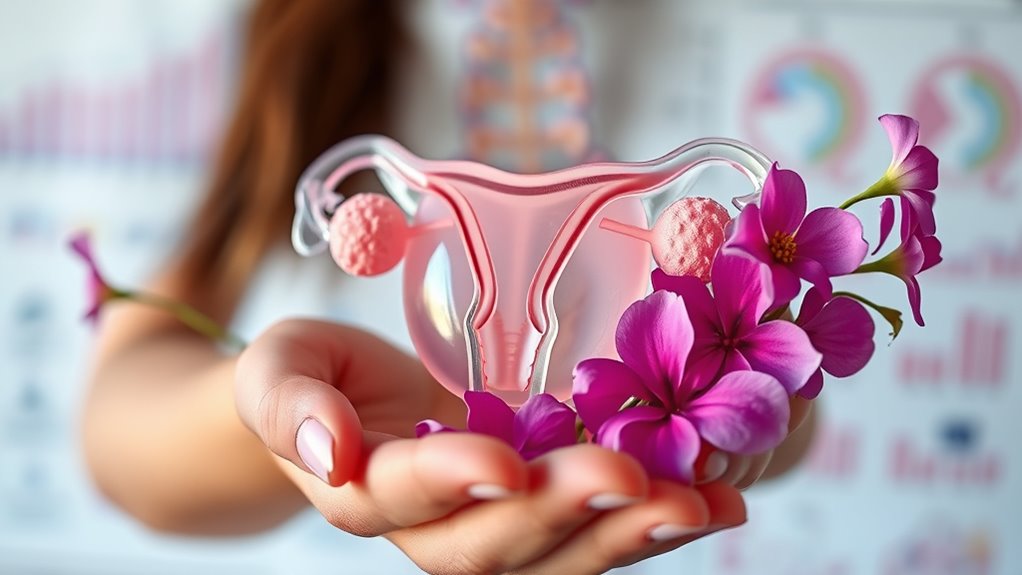

Understanding your reproductive anatomy, hormones, and lifestyle choices is key to maintaining your fertility and overall health at every age. Factors like age, environmental toxins, and health habits influence your ability to conceive, while advances in fertility treatments offer new options. Supporting your reproductive well-being involves regular checkups, healthy habits, and awareness of changes over time. Keep exploring to discover how you can optimize your reproductive health and plan for your future family.
Key Takeaways
- Understanding female reproductive anatomy, hormones, and environmental impacts is essential for maintaining fertility and overall reproductive health.
- Fertility declines naturally with age due to decreasing egg quality and ovarian reserve, influenced by lifestyle and environmental factors.
- Advances in reproductive technology, including fertility preservation and genetic testing, offer new options for family planning.
- Lifestyle choices like diet, stress management, and avoiding toxins support hormonal balance and reproductive efficiency.
- Regular medical checkups and early awareness of reproductive health signs help optimize fertility and address issues promptly.
Understanding Female Reproductive Anatomy and Function

Have you ever wondered how a woman’s reproductive system works? Your reproductive health depends on a complex interplay of genetic factors and environmental toxins. Your ovaries produce eggs and hormones like estrogen and progesterone, regulating your cycle. The uterus provides a nurturing environment for a fertilized egg to develop, while the fallopian tubes transport eggs and sperm. Genetics influence how your reproductive organs develop and function, affecting fertility potential. Environmental toxins—like pesticides, pollutants, or chemicals—can disrupt hormonal balance or damage reproductive tissues, impairing fertility. Understanding these components helps you recognize how internal and external factors influence your reproductive health. Protecting yourself from environmental toxins and knowing your genetic predispositions can support healthier reproductive choices and outcomes. Additionally, essential oils are sometimes used to support overall reproductive well-being, emphasizing the importance of holistic health practices.
Factors Influencing Women’s Fertility Across Lifespan

Your fertility naturally declines with age, especially after your mid-30s, due to decreasing ovarian reserve and egg quality. Lifestyle choices like diet, exercise, and smoking also play a significant role in your reproductive health. Additionally, your reproductive decisions—such as timing and family planning—can influence your chances of conception across your lifespan. Incorporating knowledge about home fertility testing can help monitor your reproductive health more effectively.
Age-Related Fertility Changes
As women age, their fertility naturally declines due to biological changes in reproductive capacity. During the menopause changeover, which marks the end of reproductive aging, hormone levels fluctuate, leading to irregular ovulation and eventually, the cessation of menstruation. Reproductive aging causes a decline in both egg quantity and quality, making conception more difficult. This decline accelerates after age 35, with significant drops in fertility rates. While women in their late 30s and early 40s still conceive, the chances decrease sharply compared to their 20s. By the time menopause occurs around age 50, natural fertility is nearly gone. Understanding these age-related changes helps you plan family building strategies and recognize the importance of early reproductive health awareness. Additionally, vetted fertility options and early consultation with healthcare providers can improve reproductive outcomes.
Lifestyle and Health Factors
Lifestyle and health choices profoundly influence women’s fertility throughout their lives. Your diet and exercise habits play a vital role; a balanced diet rich in nutrients supports reproductive health, while regular exercise helps maintain a healthy weight. Excessive weight or extreme dieting can disrupt ovulation. Environmental toxins, such as pesticides, plastics, and pollutants, also impact fertility by interfering with hormone function or damaging ovarian tissue. Reducing exposure—like choosing organic foods, avoiding plastic containers, and minimizing pollution—can protect your reproductive system. Avoiding smoking and limiting alcohol intake further supports fertility. Making informed lifestyle choices can improve your chances of conceiving and promote overall reproductive wellness across your lifespan. Additionally, understanding AI safety measures in health technologies can help ensure that emerging innovations support rather than hinder reproductive health.
Reproductive Choices Impact
Reproductive choices considerably influence women’s fertility at every stage of life, shaped by factors such as timing, health, and personal priorities. Your decisions about when to have children, alongside access to reproductive rights, directly impact your fertility. Many believe fertility myths, like age doesn’t matter, but delays can reduce chances of conception. Your reproductive choices are also affected by:
- Awareness of fertility myths versus facts
- Access to contraception and family planning
- Personal career and education goals
- Economic and environmental considerations
Understanding the influence of these factors helps you make informed decisions. Your reproductive rights empower you to choose the timing and size of your family, affecting fertility outcomes across your lifespan. Being proactive and informed ensures your choices align with your health and future plans. Considering best anime movies and other entertainment options can also provide relaxation and mental well-being, supporting overall reproductive health.
Common Causes of Fertility Challenges and Infertility

Hormonal imbalances and ovulation issues are common causes of fertility challenges that you should be aware of. These problems can disrupt your ability to conceive naturally and may require medical intervention. Additionally, as you age, your fertility naturally declines, making it harder to get pregnant over time. Advances in AI Entertainment technology, such as improved processing power and real-time analysis, are also influencing fertility research by enabling more precise diagnostics and personalized treatment options.
Hormonal Imbalances and Ovulation Issues
Hormonal imbalances and ovulation issues are among the leading causes of fertility challenges in women. Hormonal fluctuations can disrupt the delicate balance needed for regular ovulation, leading to ovulation irregularities. These irregularities make it harder to predict fertile windows, decreasing your chances of conception. Causes include thyroid problems, polycystic ovary syndrome (PCOS), stress, and weight changes. You might experience missed or irregular periods, which signal underlying hormonal issues. Managing these issues involves addressing the root causes through lifestyle changes, medications, or medical treatments. Recognizing early signs helps you seek professional guidance. Being aware of these factors empowers you to take proactive steps toward restoring hormonal balance and improving ovulation regularity, boosting your fertility potential. Additionally, understanding how hormonal imbalances vary across different regions can help tailor personalized treatment approaches.
Age-Related Fertility Decline
As women age, their fertility naturally declines due to changes in the quality and quantity of their eggs. Genetic factors play a role, as aging increases the likelihood of chromosomal abnormalities that can impair conception and increase miscarriage risk. Environmental influences also impact fertility; exposure to toxins, pollution, and lifestyle factors like smoking and poor diet accelerate ovarian aging. Additionally, oxidative stress from environmental stressors damages eggs over time. These combined effects make it harder to conceive as you get older. Advances in reproductive technology and fertility preservation methods can offer options for women wishing to extend their reproductive window. While some women maintain fertility into their late 30s and early 40s, the overall decline is unavoidable. Understanding how genetic and environmental factors influence age-related fertility decline can help you make informed reproductive choices and seek timely medical support when needed.
Impact of Medical and Lifestyle Choices on Reproductive Health
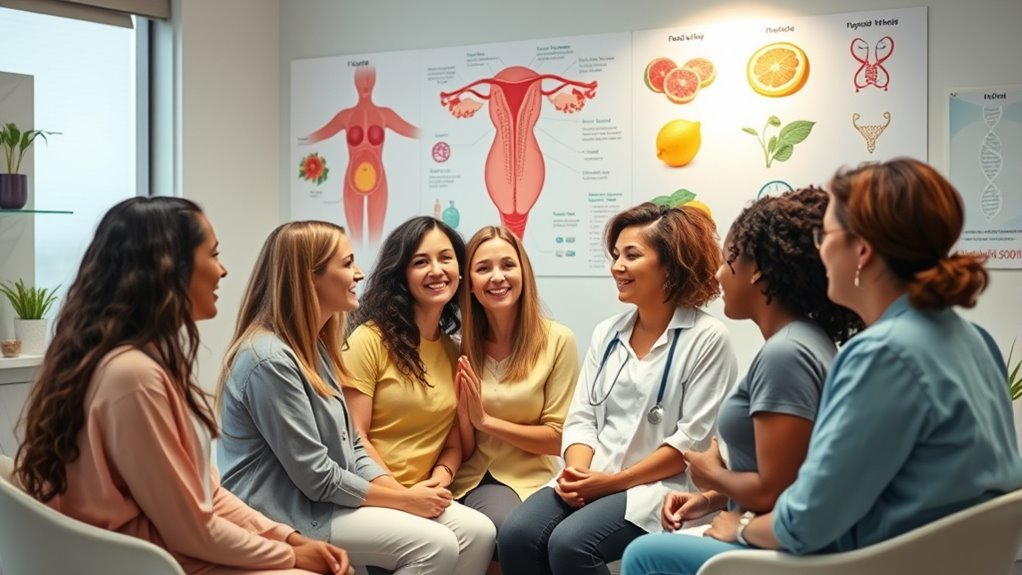
Medical and lifestyle choices play an essential role in shaping reproductive health, directly affecting fertility and pregnancy outcomes. Your menstrual cycle and reproductive hormones are sensitive to these factors. Poor nutrition, high stress, smoking, and excessive alcohol can disrupt hormonal balance, leading to irregular cycles and reduced fertility. Conversely, a balanced diet, regular exercise, adequate sleep, and stress management support healthy reproductive function. Avoiding environmental toxins and limiting caffeine intake can also protect your menstrual cycle. These choices influence hormone production, ovulation, and overall reproductive efficiency. When you prioritize healthy habits, you improve your chances of conception and a healthy pregnancy. Additionally, understanding the optimal angles for pinball machines can be a fun way to unwind and reduce stress, which is beneficial for reproductive health. Remember, your daily decisions can profoundly impact your reproductive health and future family planning success.
Advances in Fertility Treatments and Options

Recent advances in fertility treatments have expanded options for individuals and couples struggling to conceive. Genetic counseling now plays a crucial role, helping you understand the risks of inherited conditions and guiding decisions about genetic testing. Fertility preservation offers opportunities to safeguard your reproductive potential, whether through egg or embryo freezing before medical treatments or due to personal choice. Innovations like in vitro fertilization (IVF), egg donation, and embryo transfer have improved success rates, giving you more control over your family planning. Additionally, new techniques such as preimplantation genetic testing help select healthy embryos, reducing the risk of genetic disorders. These advancements make fertility treatments more personalized, increasing your chances of conception and supporting your reproductive goals with greater confidence. Developing Cultural Intelligence can also be beneficial when navigating diverse healthcare settings and understanding different cultural attitudes toward fertility and family planning.
Supporting Women’s Reproductive Well-being Throughout Life

Advances in fertility treatments have empowered women to take greater control of their reproductive health, but supporting well-being extends far beyond medical interventions. You can nurture your reproductive health by understanding your menstrual cycle and reproductive anatomy, which influence fertility and overall wellness. Maintaining a balanced diet, managing stress, and regular exercise support hormonal regulation and cycle regularity. Staying informed about changes in your body helps detect issues early. Additionally, consider these important practices:
- Tracking your menstrual cycle for signs of imbalance
- Prioritizing gynecological health through routine checkups
- Avoiding harmful substances that disrupt reproductive hormones
- Staying aware of age-related fertility changes and planning accordingly
Taking proactive steps empowers you to support your reproductive well-being at every life stage.
Frequently Asked Questions
How Do Environmental Factors Affect Women’s Fertility Long-Term?
Environmental factors like pollution effects and chemical exposures can markedly impact your long-term fertility. Exposure to pollutants and endocrine-disrupting chemicals may disrupt hormonal balance, reduce ovarian reserve, and cause reproductive issues. Over time, these factors can contribute to difficulties conceiving and increase the risk of pregnancy complications. To protect your fertility, minimize exposure to harmful chemicals, avoid pollution-heavy areas, and stay informed about environmental risks.
What Psychological Impacts Are Linked to Infertility Diagnoses?
Infertility diagnoses can deeply affect your emotional well-being, leading to mental health challenges like anxiety, depression, and feelings of grief. You might experience mood swings, social withdrawal, or stress from the pressure to conceive. It’s common to feel overwhelmed or hopeless, but seeking support from mental health professionals or support groups can help you navigate these emotional impacts and improve your overall emotional well-being during this difficult time.
How Does Socioeconomic Status Influence Reproductive Health Outcomes?
You see how socioeconomic status shapes reproductive health outcomes through access to healthcare and socioeconomic disparities. When you have higher socioeconomic status, you often gain better access to reproductive services, fertility treatments, and preventive care, increasing your chances of positive outcomes. Conversely, lower socioeconomic status limits access, heightening risks, delaying treatment, and creating disparities. Addressing these inequalities is essential to improve reproductive health for everyone, regardless of economic background.
Are There Cultural Differences in Attitudes Toward Fertility Preservation?
You’ll find that cultural beliefs and societal norms greatly shape attitudes toward fertility preservation. In some cultures, preserving fertility is highly valued, leading to greater acceptance and support for options like egg or embryo freezing. Others may view it as unnecessary or taboo, influenced by traditional views on family and gender roles. These differences impact how individuals perceive reproductive choices, shaping policies and personal decisions around fertility preservation worldwide.
What Are the Latest Trends in Reproductive Technology Accessibility?
You’ll find that access to reproductive technology is expanding through telemedicine consultations, making genetic screening more accessible. More clinics now offer virtual appointments, allowing you to explore fertility options, including genetic testing, from home. This trend helps overcome geographical barriers, reduces costs, and simplifies planning. As technology advances, expect even more streamlined, convenient services that empower you to make informed decisions about your reproductive health without the need for frequent in-person visits.
Conclusion
Understanding your reproductive health is like steering a complex journey—challenging yet empowering. While age and health factors can pose obstacles, advances in medicine offer hope and options. Your choices, from lifestyle to medical care, shape your fertility story. Embrace knowledge and support to foster well-being throughout life. Just as challenges test your resilience, let your awareness be the guiding light toward a healthy, thriving future.