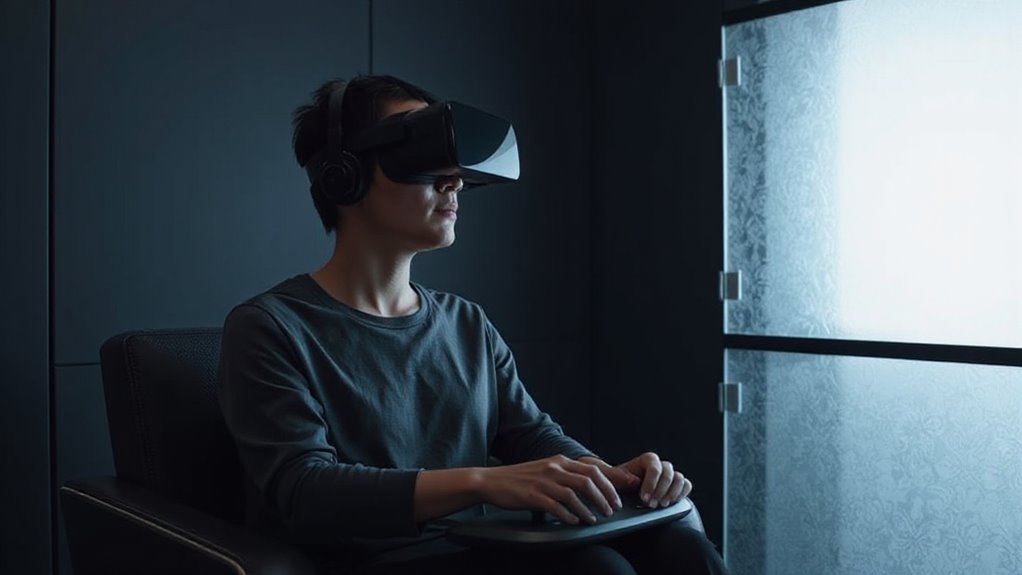

When engaging with VR sexual content, you should be aware of significant privacy risks. This content can collect sensitive biometric data, emotional responses, and behavioral patterns that could be stored, shared, or leaked, risking your personal security. Many platforms have vague policies and request access to your camera, microphone, or location, increasing vulnerabilities. To protect yourself, limit permissions, choose secure platforms, and use strong passwords. Continuing further can help you better understand how to safeguard your privacy effectively.
Prime for Young Adults — start your free trial
Fast free delivery, streaming and member deals for eligible 18–24 year olds.
As an affiliate, we earn on qualifying purchases.
Key Takeaways
- Carefully review privacy policies to understand data collection, sharing, and storage practices before engaging with VR sexual content.
- Limit app permissions to essential features like camera and microphone to reduce exposure of sensitive data.
- Use strong passwords, enable two-factor authentication, and consider VPNs to protect personal information and online activity.
- Be aware that biometric and behavioral data collected during VR experiences can be stored long-term and misused later.
- Choose platforms with robust security measures to minimize risks of data breaches and leaks of highly sensitive personal information.

Virtual reality sexual content raises unique privacy concerns that users often overlook. When you immerse yourself in these virtual environments, you’re sharing more than just your presence; you’re often exposing sensitive data that could be exploited if mishandled. Unlike traditional online activities, VR platforms can track your movements, gestures, and even emotional responses in real time. This data provides a detailed profile of your preferences, behaviors, and reactions, which, if leaked or misused, can have serious repercussions. Many users underestimate how much personal information is collected during a VR experience, assuming it’s just harmless entertainment. However, these platforms can store biometric data, IP addresses, and device information that could identify you or reveal intimate details about your habits.
VR sexual content can reveal sensitive personal data, risking privacy breaches and long-term exploitation.
You should be aware that privacy policies for VR content are often vague or difficult to understand. Companies may collect data for analytics, advertising, or even sharing with third parties, sometimes without explicit consent. It’s essential to read these policies carefully before engaging with any VR sexual content and to understand what data is being collected, how it’s stored, and who has access to it. You also need to be cautious about the permissions you grant to these platforms. Many apps request access to your camera, microphone, location, or other personal device features, which can be exploited if the app isn’t transparent or secure. Always limit permissions to only what’s necessary, and consider whether the benefits outweigh the privacy risks.
Another privacy concern involves the storage and security of your data. If a platform experiences a breach, your sensitive information could be exposed to malicious actors. This is particularly worrying given the intimate nature of VR sexual content, where leaks could lead to embarrassment, blackmail, or social harm. To protect yourself, opt for platforms that prioritize security, use strong, unique passwords, and enable two-factor authentication whenever possible. You might also consider using a virtual private network (VPN) to mask your IP address and encrypt your online activity, adding an extra layer of privacy.
Additionally, understanding biometric data collection in VR environments is crucial, as this information can be particularly sensitive and difficult to control once it is stored. Finally, it’s essential to think about the long-term implications of your VR activity. Data collected today can be stored indefinitely, potentially shared or sold in the future. Be mindful of what you choose to share and how it might be used down the line. By staying informed about privacy practices, limiting data sharing, and taking proactive security measures, you can better safeguard your privacy while exploring the immersive world of VR sexual content.
As an affiliate, we earn on qualifying purchases.
Frequently Asked Questions
How Is User Data Protected During VR Sexual Experiences?
During VR sexual experiences, your user data is protected through encryption and strict access controls. Developers often anonymize data to prevent identification, and you’re usually prompted to give consent before sharing sensitive information. Regular security updates and privacy policies guarantee your data remains confidential. You should also review privacy settings within the platform to control what information is collected and how it’s used, giving you better control over your personal privacy.
What Legal Regulations Govern Privacy in VR Adult Content?
You’re governed by laws like the General Data Protection Regulation (GDPR) in Europe and the California Consumer Privacy Act (CCPA) in the US. These regulations require platforms to protect your personal data, give you access to your information, and allow you to control or delete it. Companies must also be transparent about data collection and usage. Staying informed about regional laws helps you understand your privacy rights during VR adult experiences.
Can VR Platforms Share My Activity Data With Third Parties?
Yes, VR platforms can share your activity data with third parties unless you’ve set strict privacy controls. Think of your data as a delicate thread that, once pulled, can unravel your privacy. Platforms often share data for targeted ads or analytics, so you need to read privacy policies carefully and adjust your settings. Protect yourself by staying informed and actively managing what information you allow them to access.
How Secure Are the Devices Used for VR Sexual Content?
Your VR devices for sexual content can be quite secure if they have strong encryption and regular updates. However, vulnerabilities exist if manufacturers neglect security patches or if you don’t use strong passwords. Always keep your firmware up to date, enable two-factor authentication if available, and be cautious about connecting to unsecured networks. This way, you minimize risks and protect your sensitive data during VR experiences.
What Rights Do Users Have Over Their Recorded VR Sessions?
Think of your recorded VR sessions as your digital diary, and you have the right to control them. You can usually access, delete, or request copies of your data, depending on the platform’s policies and your jurisdiction. Be proactive in reading privacy policies, and don’t hesitate to ask companies about data rights. Just like a trusted confidant, they should respect your ownership and privacy of your recordings.
VR biometric data security device
As an affiliate, we earn on qualifying purchases.
As an affiliate, we earn on qualifying purchases.
Conclusion
As you navigate the world of VR sexual content, remember your privacy is like a delicate glass orb—beautiful but fragile. Protect your personal data and be mindful of what you share, because once exposed, it’s hard to unsee or undo. Picture your digital footprint fading into the virtual sunset, safe and secure behind a fortress of strong privacy measures. Stay vigilant, and your intimate virtual experiences can remain private, just like a secret tucked away in the shadows.
As an affiliate, we earn on qualifying purchases.
As an affiliate, we earn on qualifying purchases.
Fall yard work Picks
leaf blowers
As an affiliate, we earn on qualifying purchases.