
TL;DR

Get gifts for the two of you delivered free with Prime
- Fast, free delivery on millions of items
- Prime Video, Amazon Music and more included
- Member-only deals all year
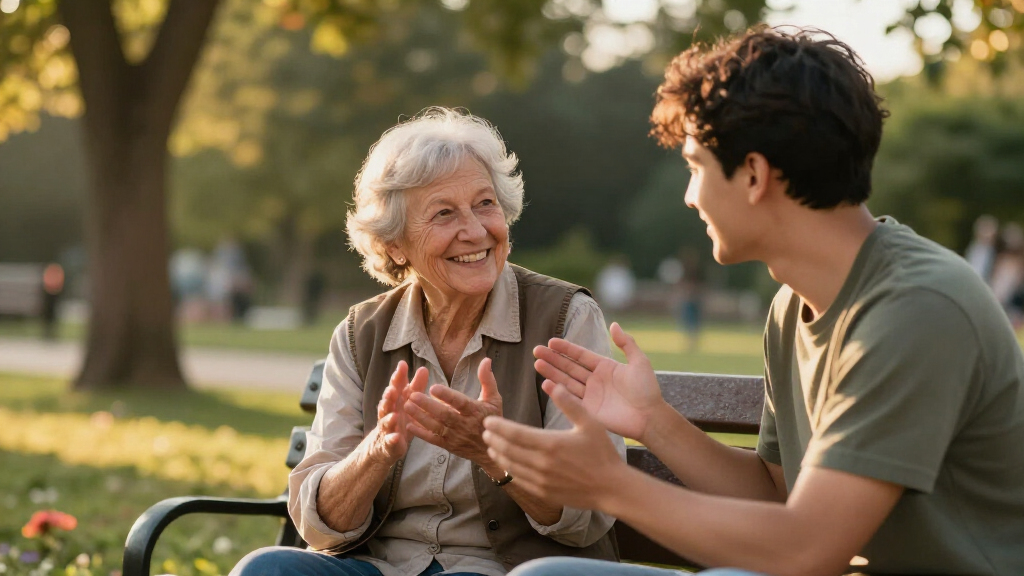
A recent trend indicates that seniors over 70 who continue five particular behaviors show greater emotional intelligence than many younger adults. This pattern is gaining attention amid increasing focus on emotional well-being in aging.
Recent online discussions and search trends reveal that individuals over 70 who continue to engage in five specific behaviors are considered to demonstrate higher emotional intelligence than many younger adults. While this is based on emerging pattern signals rather than formal research, the trend highlights evolving perceptions of emotional well-being in older age groups.
The trend originates from increasing social media and search platform interest in older adults maintaining certain behaviors associated with emotional maturity. These behaviors include active listening, expressing gratitude, maintaining curiosity, practicing humility, and showing empathy. Experts note that these actions are linked to emotional intelligence, a key factor in social and psychological health.
Although no comprehensive scientific study has yet confirmed this specific connection, psychologists and gerontologists acknowledge that emotional intelligence tends to improve with age, partly due to accumulated life experience. The trend appears to reflect a broader societal shift toward valuing emotional skills as a vital component of aging well.
Sources indicate that the pattern is largely anecdotal and based on social media observations and search data, rather than peer-reviewed research. The phenomenon is gaining traction as a possible indicator of emotional resilience and social competence among seniors, but further investigation is needed to establish causality and broader applicability.
Implications of Senior Emotional Intelligence on Society
This trend suggests that older adults who maintain these five behaviors may enjoy better social relationships, mental health, and overall life satisfaction. Recognizing these traits could influence how society views aging, emphasizing emotional skills as a key to healthy aging. It also raises awareness about the importance of fostering emotional intelligence across all ages, potentially informing public health and social programs aimed at older populations.
Popular right now

Apple AirPods Pro 3 Wireless Earbuds with Active Noise Cancellation

Bose QuietComfort Earbuds (2nd Gen) – True Wireless Bluetooth Earbuds with Active Noise Cancellation

De'Longhi Magnifica Duo Automatic Espresso Machine with Milk Frother – Silver
As an affiliate, we earn on qualifying purchases.
Rise in Interest in Aging and Emotional Skills
Interest in emotional intelligence has grown over recent years, especially in the context of aging populations worldwide. The trend signals that many are now viewing emotional skills as crucial for quality of life in later years, aligning with broader societal conversations about mental health and well-being. The current spike in search interest appears to be driven by social media discussions and online communities focused on aging gracefully and emotionally resilient seniors.
While the specific behaviors are not new, their association with higher emotional intelligence in seniors is a recent development, possibly fueled by increased awareness of mental health issues and the value of emotional skills in maintaining social bonds and personal fulfillment.
It is important to note that these observations are preliminary, based on trend signals and anecdotal reports, and are not yet supported by formal scientific evidence.
Unconfirmed Nature of the Trend Signal
The connection between these five behaviors and higher emotional intelligence in seniors over 70 is based on trend signals and anecdotal observations, not on peer-reviewed research. It remains unclear whether these behaviors directly cause increased emotional intelligence or are simply associated with it.
Further scientific studies are needed to verify the relationship and determine if these behaviors can be cultivated to promote emotional health across different age groups.
Next Steps for Research and Public Awareness
Researchers are expected to investigate this pattern more systematically, potentially leading to formal studies on emotional intelligence in aging populations. Public health initiatives may also incorporate these insights to promote emotional skills among all ages, especially as the global population ages.
In the meantime, community programs and social media campaigns can highlight these behaviors as beneficial for emotional well-being, encouraging older adults to engage in activities that foster empathy, gratitude, and curiosity.
Key Questions
What are the five behaviors associated with high emotional intelligence in seniors?
The behaviors include active listening, expressing gratitude, maintaining curiosity, practicing humility, and showing empathy.
Is there scientific evidence supporting this trend?
No, current observations are based on trend signals and anecdotal reports. Formal research is needed to confirm the relationship.
Why does this trend matter for society?
It highlights the potential for emotional skills to improve quality of life in aging populations and may influence public health strategies and social perceptions of aging.
Can these behaviors be cultivated at any age?
Yes, emotional intelligence can be developed at any age through practice and awareness, regardless of current age.
How might this trend influence future aging policies?
It could lead to increased emphasis on emotional skills in aging programs, promoting mental health and social connectivity among older adults.
Source: rss