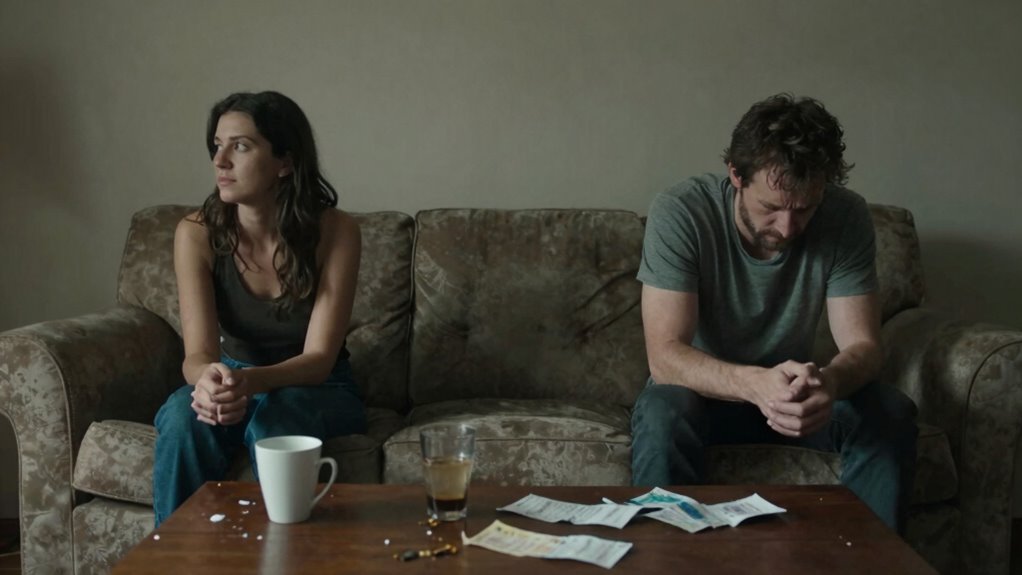

To recognize relationship burnout early, pay attention to signs like feeling emotionally drained, overwhelmed, or numb without a clear reason. Notice if conversations feel superficial or strained, and if you’re avoiding emotional topics or feeling disconnected. Watch for behavioral changes like retreating from your partner or increased irritability. Small issues may seem bigger, and communication can become strained. Staying aware of these cues helps you address issues early—continue to explore ways to strengthen your relationship before it’s too late.

Get gifts for the two of you delivered free with Prime
- Fast, free delivery on millions of items
- Prime Video, Amazon Music and more included
- Member-only deals all year
Key Takeaways
- Notice increased irritability, indifference, or emotional withdrawal from your partner.
- Watch for superficial conversations and a decline in meaningful, engaging dialogue.
- Observe if small issues are magnified, leading to misunderstandings or avoidance.
- Recognize behavioral signs like retreating, avoiding emotional talks, or increased silence.
- Identify early mood changes such as feeling more exhausted, overwhelmed, or disconnected.

Relationship burnout can sneak up on even the most committed couples, quietly eroding the connection you once cherished. It often begins with emotional fatigue, where everyday stresses, unresolved conflicts, or ongoing disappointments drain your emotional reserves. You might start feeling overwhelmed, exhausted, or numb, even when there’s no clear reason. This emotional fatigue makes it harder to engage fully with your partner, and small issues can feel magnified. You might notice that conversations become superficial or strained, as if you’re constantly walking on eggshells. This is often the first sign of a communication breakdown taking hold, where meaningful dialogue gives way to misunderstandings, silence, or defensiveness.
Relationship burnout quietly erodes connection through emotional fatigue and strained, superficial communication.
When emotional fatigue sets in, you may find yourself retreating from your partner, not because you want to hurt them, but because you’re simply too tired to put in the effort. You might avoid conversations that once sparked joy or curiosity, opting instead for silence or distraction. Over time, this pattern becomes a vicious cycle—your emotional exhaustion fuels communication breakdowns, which then deepen your fatigue. You may start to feel disconnected, questioning whether your relationship still holds the same meaning or if the effort is worth it. Recognizing these early signs is crucial. If you catch yourself feeling more irritable or indifferent than usual, it’s a warning sign that emotional fatigue is building. Notice if you’re avoiding important conversations or feeling like your partner isn’t truly listening. These are indicators that burnout is quietly taking hold. The key is to pay attention to your feelings and behaviors, understanding that emotional fatigue is often invisible until it manifests in more apparent issues.
Furthermore, understanding the role of emotional fatigue in relationship burnout can help you develop better coping strategies and prevent further deterioration. When communication feels strained, it’s tempting to shut down or withdraw further, but that only worsens the problem. Instead, try to address the fatigue head-on by opening up about your feelings, even if it’s uncomfortable. Recognizing that emotional exhaustion isn’t a sign of failure, but a relationship challenge, can help you approach the situation with compassion and patience. Additionally, implementing practical solutions such as home safety or automation upgrades can create a more supportive environment that reduces stress. By catching these signs early, you can work together to rebuild your connection before burnout causes lasting damage. The first step is awareness—acknowledging the emotional fatigue and communication issues that threaten your bond so that you can take proactive steps towards healing.
relationship burnout self-help book
As an affiliate, we earn on qualifying purchases.
As an affiliate, we earn on qualifying purchases.
Frequently Asked Questions
Can Relationship Burnout Happen in New Relationships?
Yes, relationship burnout can happen in new relationships. The early warning signs often include feeling overwhelmed by new relationship challenges, emotional exhaustion, or losing interest quickly. You might notice you’re less excited about spending time together or feeling tense during interactions. Recognizing these early signs helps you address issues before burnout deepens, allowing you to communicate better and build a healthier connection from the start.
How Long Does Relationship Burnout Typically Last?
Relationship burnout can last anywhere from a few weeks to several months, like a storm passing through your sky. During this time, emotional fatigue and communication breakdown often intensify, making connection feel distant. You might find yourself questioning the relationship’s future. Addressing burnout early with open conversations and self-care can shorten its duration, helping you and your partner rebuild trust and emotional resilience more quickly.
Is Relationship Burnout the Same as Emotional Exhaustion?
Relationship burnout and emotional exhaustion are closely related but not exactly the same. You experience emotional fatigue and mental drain when you’re overwhelmed by ongoing relationship stress. Burnout often involves a sense of detachment, frustration, or feeling emotionally drained, while emotional exhaustion specifically refers to feeling mentally and emotionally depleted. Recognizing these signs early helps you address the issues before they deepen, preserving your emotional well-being and the relationship.
Can Relationship Burnout Be Reversed Without Therapy?
You can often reverse relationship burnout without therapy if you address emotional fatigue and fix communication breakdowns. When you notice signs early, like feeling disconnected or overwhelmed, take intentional steps—like sharing honest feelings and spending quality time together. Sometimes, simple changes like open conversations and mutual understanding can reignite your connection. While therapy helps, many couples successfully navigate burnout through effort, patience, and a willingness to reconnect naturally.
What Are the First Signs of Relationship Burnout?
You notice the first signs of relationship burnout when you feel emotionally fatigued and start to withdraw. Communication breakdown becomes common, with conversations feeling strained or one-sided. You might lose interest in shared activities or feel disconnected from your partner. These signs indicate mounting stress and emotional exhaustion, signaling it’s time to address the issues before they deepen. Recognizing these early signs helps you take action to reconnect and restore your relationship.
couples communication improvement tools
As an affiliate, we earn on qualifying purchases.
As an affiliate, we earn on qualifying purchases.
Conclusion
Just like a garden neglected for too long, relationship burnout quietly withers if you don’t notice the signs early. But by staying attentive—listening, sharing, and nurturing—you can revive the roots of your connection. Don’t let the flames of passion flicker into smoke; catch the early sparks and tend to them with care. With awareness and effort, you can turn the tide and keep your relationship blossoming, vibrant as a springtime meadow after a long winter’s sleep.
As an affiliate, we earn on qualifying purchases.
relationship counseling workbook
As an affiliate, we earn on qualifying purchases.
As an affiliate, we earn on qualifying purchases.
Halloween Picks
halloween
As an affiliate, we earn on qualifying purchases.