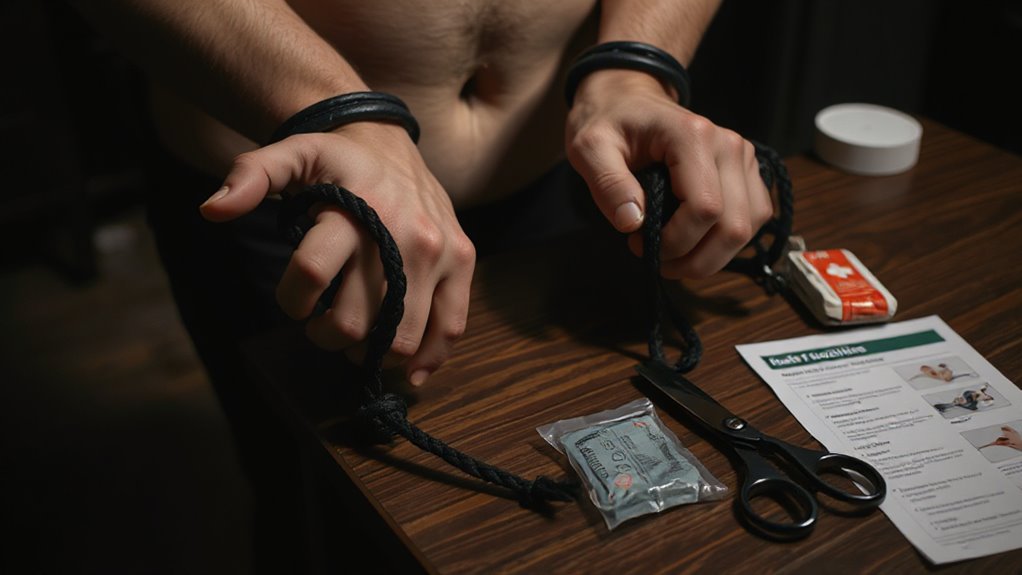

To guarantee safety during bondage play, communicate clearly about boundaries and safe words before starting. Use high-quality, body-safe restraints and check them regularly for damage or tightness. Always monitor your partner’s comfort by checking their extremities and staying attentive to signs of distress. Keep quick-release tools nearby and avoid unsafe objects or environments. By following these tips, you create a safe, respectful experience—continue exploring these guidelines to deepen your understanding and enhance your safety practices.
Key Takeaways
- Have clear communication, establish boundaries, and agree on a safe word before beginning play.
- Use high-quality, body-safe restraints and check their condition before each session.
- Continuously monitor circulation, sensation, and comfort, loosening restraints if needed.
- Play in a safe, clutter-free environment with good lighting and quick-release tools nearby.
- Prioritize ongoing consent, trust, and immediate response to any signs of distress or injury.
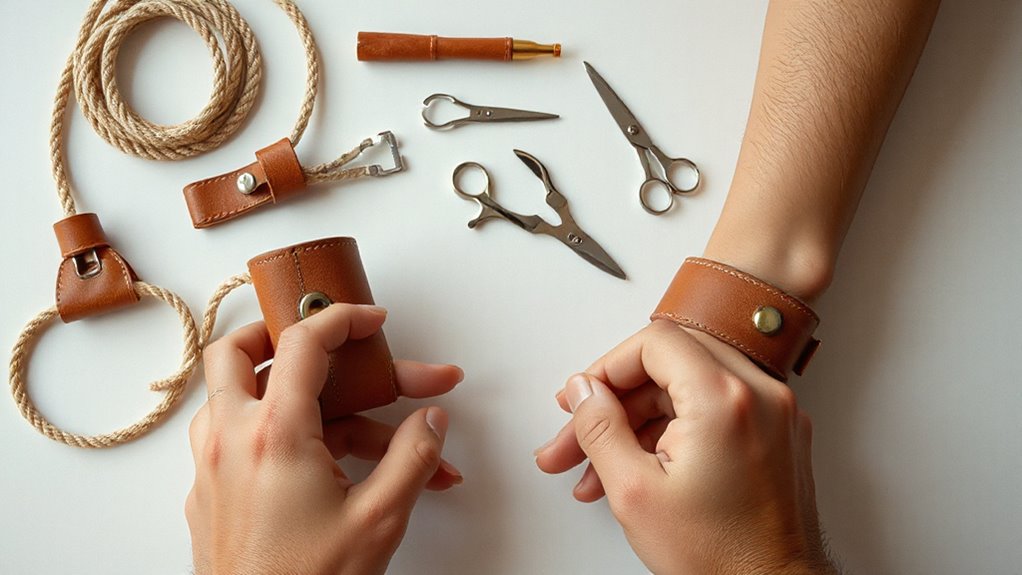
Engaging in bondage play can be an exciting and intimate experience, but it’s essential to prioritize safety to guarantee everyone’s well-being. Before you start, have a clear conversation with your partner about boundaries, limits, and safe words. Establishing trust and open communication beforehand ensures that both of you feel comfortable and secure throughout the experience. Agree on a safe word or signal that either of you can use at any moment to pause or stop the activity instantly. Make sure it’s easy to remember and distinguishable from everyday conversation to prevent any confusion.
Always prepare your equipment carefully. Use high-quality, body-safe materials designed specifically for bondage. Avoid items with sharp edges, rough textures, or anything that could cause cuts, burns, or nerve damage. Check the condition of your restraints, ropes, or cuffs before each use to ensure they’re intact and functioning properly. Avoid tying knots too tightly; they should be snug but not constrictive enough to cut off circulation or cause nerve damage. Remember that the goal is restraint, not harm. Keep a pair of safety scissors or a quick-release tool nearby so you can cut through restraints quickly if needed. Practice using them beforehand to ensure you can remove gear swiftly in an emergency.
Use high-quality, body-safe bondage gear; check condition and practice quick-release techniques for safety.
Pay close attention to circulation and comfort. Regularly check the restrained person’s extremities for color, warmth, and sensation. If you notice any signs of numbness, tingling, or discoloration, loosen or remove restraints immediately. Keep communication ongoing, even if your partner is gagged or silenced with a safe word. Use gentle touches or eye contact to check in and confirm their comfort. Never leave someone unattended while restrained, even for a short moment. You should always be present to monitor their condition and respond promptly to any distress signals.
Be mindful of your environment. Play in a safe, clutter-free space where you won’t trip or knock over objects. Maintain good lighting so you can see your partner’s condition clearly. Avoid placing restraints near heat sources, sharp edges, or in areas with potential hazards. When in doubt, start slow, and gradually increase intensity as you become more familiar with what works and what doesn’t. Remember, safety isn’t just about avoiding injuries—it’s about creating an atmosphere where trust, comfort, and mutual respect thrive. Properly understanding projector technology can also help you choose the right equipment for your setup, ensuring a safer and more enjoyable experience. Prioritizing these guidelines helps ensure that your bondage experience remains enjoyable, consensual, and safe for both of you.

Sex Bandage Legs Restraints Thigh Wrist Cuffs Restraints Plus Size Spreaders Bar Legs and Hands BDSM Restraints Sex Adults with Straps Adjustable Soft BDSM Bondage Restraints Kit for Women Sweater w1
Sex Bandage Legs Restraints Thigh Wrist Cuffs Restraints Plus Size Spreaders Bar Legs and Hands BDSM Restraints Sex…
As an affiliate, we earn on qualifying purchases.
As an affiliate, we earn on qualifying purchases.
Frequently Asked Questions
How Do I Recognize if My Partner Is Uncomfortable During Bondage?
You can tell if your partner’s uncomfortable during bondage by paying close attention to their body language and verbal cues. If they tense up, try to pull away, or stop responding, that’s a sign to check in. Keep an eye on their breathing and facial expressions. Always ask for feedback and encourage open communication. If they seem distressed, gently loosen or remove the restraints immediately.
What Are Some Signs of Potential Circulation Issues?
You should watch for signs like numbness, tingling, or a cold, pale, or bluish appearance in your partner’s limbs. If they complain of pain, throbbing, or if their fingers or toes turn blue or white, these are signs of circulation issues. Always check for swelling or a heavy feeling. If you notice any of these, loosen or remove the restraints immediately and check in with your partner.
Can Bondage Play Cause Long-Term Physical Damage?
Bondage play can cause long-term physical damage if you don’t follow safety guidelines. You might develop nerve damage, circulation problems, or skin issues if restraints are too tight or left on too long. Always communicate with your partner, check in regularly, and remove restraints immediately if you notice numbness, tingling, or discoloration. Proper precautions, like using safe materials and practicing aftercare, help prevent lasting harm.
How Do I Negotiate Boundaries and Consent Effectively?
A stitch in time saves nine, so always prioritize open communication. You should clearly discuss boundaries and desires with your partner beforehand. Use honest, respectful dialogue, and encourage your partner to share their limits too. Check in regularly during play, and agree on a safe word or signal. This way, you guarantee consent remains enthusiastic and boundaries respected, creating a safe, enjoyable experience for both of you.
What Aftercare Steps Are Recommended Post-Bondage Session?
After your bondage session, check in with your partner and address any physical discomfort or emotional needs. Offer water, a comforting touch, or a calming activity to ease tension. Make sure to remove restraints gently and inspect for any skin irritation or injury. Openly discuss the experience, share feelings, and guarantee both of you feel safe and supported. Prioritize emotional connection and relaxation to promote a positive post-session experience.
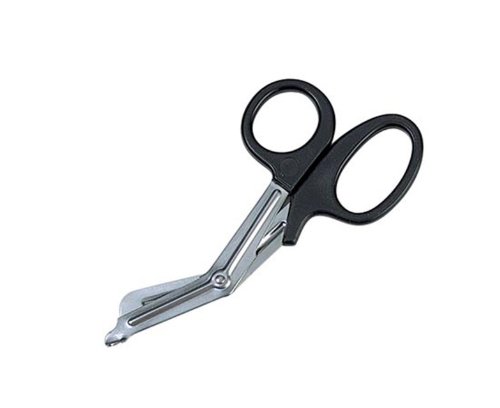
MUELLER Sports Medicine Medical Scissors, Ambidextrous, Blunt Tip Stainless Steel Trauma Sheers, For Quick & Safe Tape Removal, Black/Silver
EASY TO USE: User-friendly design ensures comfort and efficiency
As an affiliate, we earn on qualifying purchases.
As an affiliate, we earn on qualifying purchases.
Conclusion
Remember, safety is key to enjoying bondage play responsibly. Always communicate openly, set clear boundaries, and have safety tools like scissors nearby. Did you know that over 80% of BDSM practitioners prioritize safety and consent? Keeping these guidelines in mind helps guarantee your experience stays fun and safe for everyone involved. Trust your instincts, stay attentive, and never rush. With care and caution, you can explore bondage play confidently and safely.

6Pcs Communication Board for Non Verbal Adults Picture Symbol Communication Cards Speech Therapy Tools for Autism Toddlers Kids Aphasia Stroke Patients Hospital Care Home Use Talking Placemats
Package includes: This set includes 6 communication boards, each designed with different themes to help individuals express their…
As an affiliate, we earn on qualifying purchases.
As an affiliate, we earn on qualifying purchases.

Sex Bed Bondage Restraints Rope Kit Straps Bondaged Bed Tie Downs Fuzzy Handcuffs Hand Cuff Set for Adults Grownups Bedroom Sex Hand Cuff Bracelets Bed Restraint for Queen Sized Bed Sweater DH-11
Adjustable – Find the most comfortable way to wear to maximize comfort.
As an affiliate, we earn on qualifying purchases.
As an affiliate, we earn on qualifying purchases.