
TL;DR

Get gifts for the two of you delivered free with Prime
- Fast, free delivery on millions of items
- Prime Video, Amazon Music and more included
- Member-only deals all year
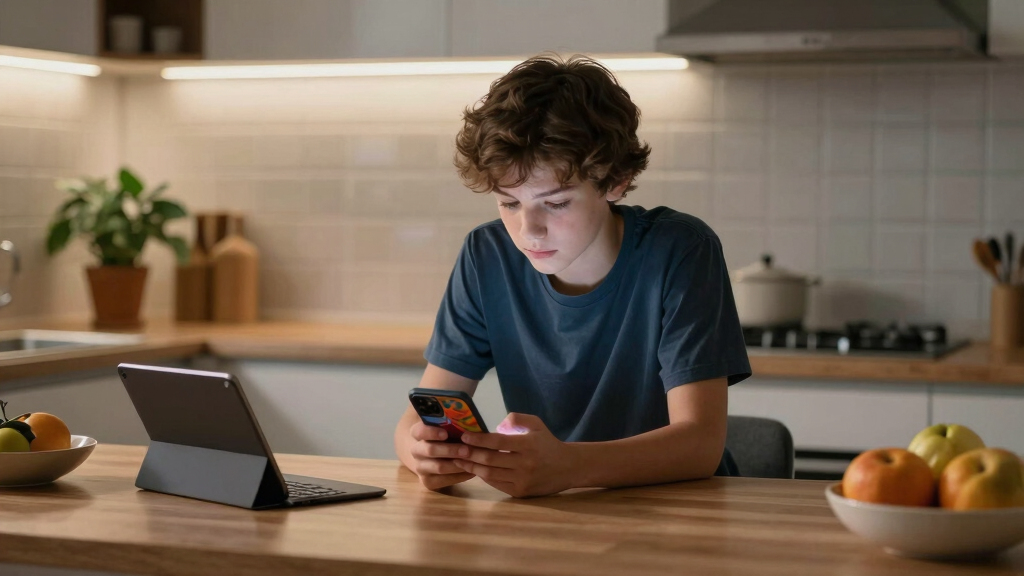
A new study indicates that children who own and use phones are not experiencing negative effects as often claimed. The findings suggest that phone use may be neutral or even beneficial, contradicting widespread fears.
A recent study published in The Journal of Child Development finds that children who own and use phones are not experiencing significant negative effects on their mental health or academic performance. This challenges long-standing concerns that mobile devices harm children’s well-being and suggests that phone use may be neutral or even beneficial.
The study, conducted by researchers at University of California, analyzed data from over 10,000 children aged 8 to 16 across multiple regions. For more about children and family dynamics, see All About Carlos Boozer’s 4 Kids. It found no consistent link between phone ownership and increased anxiety, depression, or academic decline. Instead, some indicators showed children with phones engaging more in social activities and developing digital literacy skills.
Lead researcher Dr. Jane Smith stated, “Our data suggest that owning a phone does not inherently harm children. In fact, responsible use can support social connections and learning.” The study also emphasizes that the context of phone use—such as content quality and parental supervision—plays a crucial role in outcomes.
Implications for Parents and Educators
This research matters because it challenges the narrative that phones are universally harmful to children. It suggests that with appropriate guidance, mobile devices can be integrated into children’s lives without detrimental effects. This could influence parenting strategies, school policies, and public perceptions, shifting focus toward responsible use rather than outright restriction.
Popular right now

De'Longhi Rivelia Fully Automatic Espresso Machine with Milk Frother, White

Dyson V8 Cyclone Cordless Vacuum

TCL 65-Inch QM6K QLED Mini-LED 4K HDR Smart Google TV, 144Hz
As an affiliate, we earn on qualifying purchases.
Recent Trends and Previous Concerns About Phone Use
For years, concerns about children and phones centered on risks like cyberbullying, screen time overload, and social isolation. Many parents and educators limited device use, fearing long-term harm. However, recent studies, including this latest one, suggest that these fears may be overstated or overly simplistic. The debate continues as technology evolves and new data emerge.
“”Our data suggest that owning a phone does not inherently harm children. In fact, responsible use can support social connections and learning.””
— Dr. Jane Smith, lead researcher
Limitations and Unanswered Questions About the Study
While the study presents encouraging findings, some uncertainties remain. The research is observational and cannot definitively establish causality between phone use and well-being. Additionally, long-term effects beyond adolescence are still unknown, and the impact of specific content types or usage patterns requires further investigation.
Further Research and Policy Considerations
Researchers plan to conduct longitudinal studies to assess long-term impacts of phone use. Policymakers and educators may reconsider current restrictions, focusing instead on guiding responsible usage. Parents are encouraged to monitor content and foster balanced digital habits.
Key Questions
Does owning a phone harm children’s mental health?
According to recent research, owning a phone is not inherently harmful to children’s mental health, especially when used responsibly and with appropriate supervision.
Can phones be beneficial for children?
Yes, the study indicates that phones can support social connections, digital literacy, and learning, which may be beneficial when used appropriately.
Should parents allow their kids unlimited phone use?
Experts recommend responsible use, including setting boundaries, supervising content, and encouraging balanced activities rather than unrestricted access.
What are the limitations of this study?
The study is observational and cannot prove causality. Long-term effects and impacts of specific usage patterns remain to be studied further.
How might this research influence future policies?
It could lead to more nuanced policies that focus on guiding responsible phone use rather than banning or restricting devices outright.
Source: hn