

Relationship books for couples generally fall into two camps: books you read to understand why conflict happens, and workbooks you do together to actually change how you interact. After comparing the leading titles side by side, The Seven Principles for Making Marriage Work earns the top spot for its research-backed framework and practical exercises that work for couples at almost any stage. Hold Me Tight is the strongest pick if emotional distance is your core problem, while The 5 Love Languages remains the easiest, lowest-commitment starting point for couples new to relationship work. The main tradeoff across this category is depth versus effort: the most transformative books demand real homework, while the accessible ones skim the surface. Read on for the full breakdown of all 13 titles.

Get gifts for the two of you delivered free with Prime
- Fast, free delivery on millions of items
- Prime Video, Amazon Music and more included
- Member-only deals all year
Key Takeaways
- Workbook formats (How We Love, the Two-Pen Relationship Workbook, 7-Week Relationship Therapy Workbook) produced the highest engagement potential because they force active participation rather than passive reading — but they only work if both partners commit.
- The Seven Principles for Making Marriage Work ranked highest overall because it is the rare title pairing decades of clinical research with immediately usable exercises, while most competitors offer one or the other.
- Trust-repair titles (Rebuilding Trust, Relationship Workbook for Couples) serve a narrower purpose than general communication books — couples choosing them should match the book to their actual problem, not buy the most popular title.
- Several budget communication guides (Love More, Fight Less; Communication Skills for Couples) overlap heavily with each other; buying more than one is usually wasted money.
- The 5 Love Languages, despite being the bestseller, ranked mid-pack because its framework is a starting vocabulary, not a conflict-resolution system — couples with recurring arguments need something deeper like Fight Right or Hold Me Tight.
| The Seven Principles for Making Marriage Work |  | Best Overall | Format: Paperback | Author: John Gottman, PhD | Genre: Marriage and relationships / self-help | VIEW LATEST PRICE | See Our Full Breakdown |
| How We Love Workbook, Expanded Edition | 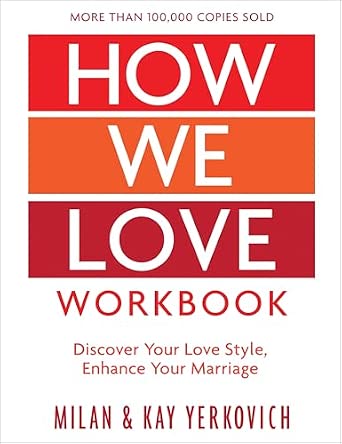 | Best Workbook for Deep Emotional Work | Format: Paperback workbook | Edition: Expanded edition | Approach: Attachment-style-based exercises | VIEW LATEST PRICE | See Our Full Breakdown |
| Communication Skills for Couples |  | Best Budget Starter Guide | Format: Paperback | Genre: Relationship communication self-help | Approach: Practical strategies and techniques | VIEW LATEST PRICE | See Our Full Breakdown |
| His Needs, Her Needs: Making Romantic Love Last |  | Best for Understanding Core Needs | Format: Paperback | Genre: Marriage self-help | Approach: Ten emotional needs framework | VIEW LATEST PRICE | See Our Full Breakdown |
| Rebuilding Trust: Guided Therapy Techniques and Activities |  | Best for Healing After a Breach of Trust | Format: Paperback | Genre: Relationship repair self-help | Approach: Therapy techniques and guided activities | VIEW LATEST PRICE | See Our Full Breakdown |
| Getting the Love You Want: A Guide for Couples, Third Edition |  | Best for Deep Emotional Work | Format: Paperback / Hardcover / Audiobook | Edition: Third Edition | Author: Harville Hendrix, PhD and Helen LaKelly Hunt, PhD | VIEW LATEST PRICE | See Our Full Breakdown |
| 7-Week Relationship Therapy Workbook for Couples |  | Best Structured Program | Format: Paperback Workbook | Program Length: 7 weeks | Focus: Communication, trust, reconnection | VIEW LATEST PRICE | See Our Full Breakdown |
| Fight Right: How Successful Couples Turn Conflict Into Connection |  | Best for Conflict-Prone Couples | Format: Hardcover / Paperback / Audiobook / Kindle | Author: Drs. John and Julie Gottman | Research Basis: Gottman Institute couples studies | VIEW LATEST PRICE | See Our Full Breakdown |
| Love More, Fight Less: Communication Skills Every Couple Needs | 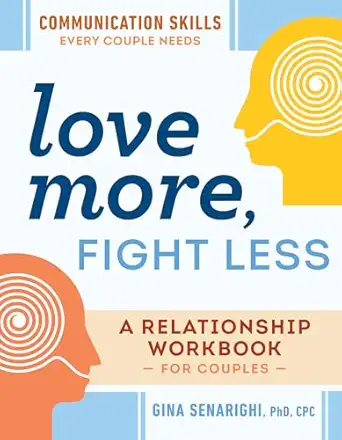 | Best Communication Toolkit | Format: Paperback Workbook / Kindle | Genre: Communication skills workbook | Focus: Everyday communication, listening, conflict reduction | VIEW LATEST PRICE | See Our Full Breakdown |
| The 5 Love Languages®: The Secret to Love That Lasts |  | Best for Beginners | Format: Paperback / Hardcover / Kindle / Audiobook | Author: Gary Chapman | Framework: Five love languages | VIEW LATEST PRICE | See Our Full Breakdown |
| Relationship Workbook for Couples: 8-Week Program and Proven Strategies to Rebuild Trust, Resolve Conflict, Improve Communication, and Rekindle Intimacy |  | Best Structured Recovery Program | Format: Paperback workbook | Program Length: 8 weeks | Primary Focus: Trust rebuilding, conflict resolution, communication, intimacy | VIEW LATEST PRICE | See Our Full Breakdown |
| Hold Me Tight: Seven Conversations for a Lifetime of Love | 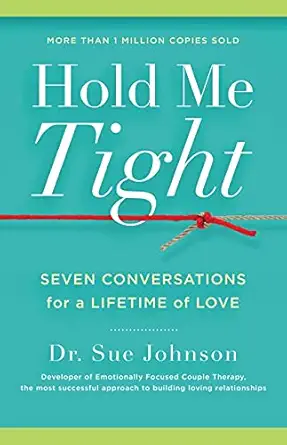 | Best for Emotional Depth | Format: Paperback / e-book | Framework: Seven conversations based on Emotionally Focused Therapy (EFT) | Primary Focus: Emotional attachment and bonding | VIEW LATEST PRICE | See Our Full Breakdown |
| The Two-Pen Relationship Workbook for Couples: An 8-Week Program with 15-Minute Exercises |  | Best for Busy Couples | Format: Paperback workbook | Program Length: 8 weeks | Exercise Duration: Approximately 15 minutes each | VIEW LATEST PRICE | See Our Full Breakdown |
| relationship books for couple | Format | Approach | Focus |
|---|---|---|---|
| The Seven Principles for Makin | Paperback | Research-based principles with exercises | — |
| How We Love Workbook | Paperback workbook | Attachment-style-based exercises | Emotional connection and love dynamics |
| Communication Skills for Coupl | Paperback | Practical strategies and techniques | — |
| His Needs | Paperback | Ten emotional needs framework | Romantic love and need fulfillment |
| Rebuilding Trust: Guided Thera | Paperback | Therapy techniques and guided activities | Trust, love, and intimacy restoration |
| Getting the Love You Want: A G | Paperback / Hardcover / Audiobook | Imago Relationship Therapy | Unconscious patterns, intimacy, conflict resolution |
| 7-Week Relationship Therapy Wo | Paperback Workbook | — | Communication, trust, reconnection |
| Fight Right: How Successful Co | Hardcover / Paperback / Audiobook / Kindle | — | Conflict resolution and repair |
| Love More | Paperback Workbook / Kindle | — | Everyday communication, listening, conflict reduction |
| The 5 Love Languages®: The Sec | Paperback / Hardcover / Kindle / Audiobook | — | Understanding how partners express and receive love |
| Relationship Workbook for Coup | Paperback workbook | Structured weekly exercises | — |
| Hold Me Tight: Seven Conversat | Paperback / e-book | Guided conversations with real couple case studies | — |
| The Two-Pen Relationship Workb | Paperback workbook | — | — |
More Details on Our Top Picks
The Seven Principles for Making Marriage Work
The Seven Principles for Making Marriage Work earns the top spot because it backs every recommendation with decades of research rather than anecdote. John Gottman’s famous “Love Lab” observations give couples a research-grounded framework for spotting what actually predicts divorce and what predicts lasting partnership. Compared with His Needs, Her Needs, which leans on a fixed list of gendered needs, this book builds diagnostic skills you can apply to your own dynamic. The tradeoff: it reads more like a guided masterclass than a quick fix, and couples in acute crisis may find the tone too calm for the urgency they feel. It also asks both partners to do real self-assessment work, not just read passively. Still, no other book on this list combines credibility and practicality this well.
Pros:- Research-backed framework from a leading relationship scientist
- Practical exercises and quizzes couples can do together
- Helps identify specific behaviors that predict relationship failure
- Accessible writing despite academic underpinnings
Cons:- Requires sustained effort from both partners over weeks
- Not designed for repairing acute betrayal or crisis situations
Best for: Couples who want an evidence-based foundation and are willing to invest time in self-assessment exercises
Not ideal for: Couples in active crisis or dealing with infidelity — the material is preventive and structural, not trauma-focused
- Format:Paperback
- Author:John Gottman, PhD
- Genre:Marriage and relationships / self-help
- Approach:Research-based principles with exercises
- Audience:Married and committed couples
- Style:Explanatory with self-assessments
Our verdict“If you only buy one relationship book, this research-driven guide is the safest bet for building a durable marriage.”
How We Love Workbook, Expanded Edition
Where The Seven Principles explains what makes marriages work, How We Love Workbook asks why you each relate the way you do, digging into attachment styles formed in childhood. The expanded edition adds more exercises, making it the most introspective option here alongside Hold Me Tight. Compared with the lighter Two-Pen Relationship Workbook, this one demands genuine emotional honesty and can surface uncomfortable patterns from family of origin. That depth is its greatest strength and its biggest barrier — a partner who resists self-examination will stall the whole process. This pick makes the most sense for couples who already communicate okay but feel stuck in repeating cycles they can’t explain.
Pros:- Structured exercises that turn insight into practice
- Attachment-style framework explains recurring conflict loops
- Expanded edition includes additional activities and guidance
- Works well as a companion to couples therapy
Cons:- Emotionally demanding and time-intensive
- Intensity can overwhelm couples newer to self-reflection
Best for: Couples who keep repeating the same arguments and want to understand the attachment patterns underneath them
Not ideal for: Couples where one partner is reluctant to discuss childhood or emotions — the exercises collapse without full buy-in
- Format:Paperback workbook
- Edition:Expanded edition
- Approach:Attachment-style-based exercises
- Structure:Guided activities and reflection prompts
- Audience:Married couples seeking deeper connection
- Focus:Emotional connection and love dynamics
Our verdict“Choose this workbook if you want to trace your conflicts to their roots rather than just manage their symptoms.”
Communication Skills for Couples
Communication Skills for Couples is the low-commitment entry point of this lineup. Compared with heavyweight picks like The Seven Principles for Making Marriage Work or How We Love Workbook, it skips theory entirely and delivers actionable scripts and techniques for conflict resolution, listening, and expressing needs. That makes it ideal for a couple testing whether a self-help book can even help them. The flip side is real: without a research base or named expert behind it, the advice can feel generic, and readers wanting to understand why they fight will outgrow it fast. Think of it as a first step — an affordable way to break the ice on hard conversations before committing to a deeper program.
Pros:- Immediately applicable communication techniques
- Covers conflict resolution, intimacy, and listening in one volume
- Short and accessible for reluctant readers
- Inexpensive entry point for couples hesitant about therapy
Cons:- Lacks author credentials and research grounding
- Content can feel generic compared with expert-authored titles
Best for: Couples new to relationship books who want inexpensive, low-effort techniques they can try this week
Not ideal for: Readers who want research credibility or deep psychological frameworks — this stays at surface level
- Format:Paperback
- Genre:Relationship communication self-help
- Approach:Practical strategies and techniques
- Focus Areas:Communication, conflict resolution, intimacy
- Depth:Introductory / beginner-friendly
- Audience:Couples and dating partners
Our verdict“A reasonable first purchase for couples dipping a toe in, but serious repair work will need a more substantial book.”
His Needs, Her Needs: Making Romantic Love Last
His Needs, Her Needs takes a different route than everything else here: it argues that romantic love survives when partners meet each other’s ten most important emotional needs, and it teaches you to identify your own list. Compared with The Seven Principles, it’s simpler and more prescriptive — some readers will find that clarity refreshing, while others will bristle at its traditionally gendered framing of needs. That framing is the genuine tradeoff: couples in conventional partnerships tend to rate it highly; those seeking an egalitarian, modern lens may prefer Hold Me Tight or Fight Right instead. What it does exceptionally well is give partners a shared vocabulary for stating what they actually want, which many couples have never articulated out loud.
Pros:- Simple, memorable framework of ten core needs
- Helps partners articulate unspoken expectations
- Strong focus on protecting romantic passion long-term
- Practical and easy to discuss together
Cons:- Gendered assumptions feel dated to many readers
- Less useful for couples with deep trust or trauma issues
Best for: Couples in traditional partnerships who want a clear, checklist-style path to prioritizing each other
Not ideal for: Couples who want a modern, gender-neutral framework — the heteronormative framing will grate
- Format:Paperback
- Genre:Marriage self-help
- Approach:Ten emotional needs framework
- Style:Prescriptive with real-life examples
- Audience:Married and engaged couples
- Focus:Romantic love and need fulfillment
Our verdict“Worth it if the needs-checklist approach fits your relationship style; skip it if the gendered lens is a dealbreaker.”
Rebuilding Trust: Guided Therapy Techniques and Activities
Most books on this list — Communication Skills for Couples, His Needs, Her Needs — assume a basically healthy relationship that needs tuning. Rebuilding Trust is the specialist pick for couples where trust has actually broken, whether through infidelity, deception, or repeated letdowns. It borrows techniques from professional therapy and packages them as guided activities, which puts it closer to Hold Me Tight in depth but with a tighter, more focused scope. The honest tradeoff: this is slow, uncomfortable work. The wounded partner may find exercises triggering, and the partner who caused the harm must show genuine accountability or the book becomes a one-sided effort. It’s not a general marriage manual, and buying it for prevention rather than repair would be a mismatch.
Pros:- Focused specifically on trust repair, a gap in most relationship books
- Therapy-derived techniques adapted for self-guided use
- Includes concrete activities rather than abstract advice
- Addresses both partners’ perspectives in the healing process
Cons:- Emotionally heavy work that can reopen wounds
- Requires real accountability from the partner who broke trust
Best for: Couples recovering from infidelity or betrayal who want structured, therapy-informed healing exercises
Not ideal for: Couples with general communication friction — a broader guide like The Seven Principles fits better and costs the same effort
- Format:Paperback
- Genre:Relationship repair self-help
- Approach:Therapy techniques and guided activities
- Focus:Trust, love, and intimacy restoration
- Audience:Couples healing from betrayal
- Structure:Exercise and activity based
Our verdict“The right choice only if trust itself is the wound — for everyday relationship improvement, pick a broader title.”
Getting the Love You Want: A Guide for Couples, Third Edition
Getting the Love You Want stands out for couples who want to understand why they keep hitting the same walls, not just how to talk past them. Built on Imago therapy principles, it argues that unconscious patterns from childhood shape how partners provoke and frustrate each other — a far deeper frame than the quick exercises in Love More, Fight Less. Compared with The 5 Love Languages, which skews practical and light, this one asks for genuine self-examination. That depth is a tradeoff: it reads denser than workbooks like the 7-Week Relationship Therapy Workbook, and couples expecting fill-in-the-blank exercises may find the theory-heavy middle chapters slow going. The third edition adds updated material on same-sex couples and modern relationships, which earlier printings lacked. This pick makes the most sense for partners ready to treat old wounds as the real project.
Pros:- Grounded in decades of Imago therapy practice, not pop psychology
- Updated third edition addresses modern and diverse relationship structures
- Explains root causes of recurring conflict, not just surface symptoms
- Includes structured exercises couples can do together between chapters
Cons:- Denser and more theoretical than typical workbooks
- Requires emotional openness that some couples may not be ready for
Best for: Couples who repeatedly trigger each other and want a therapeutic framework explaining the roots of their conflict
Not ideal for: Couples wanting a quick, exercise-driven fix — the theory-first approach requires patience and reflection before payoff
- Format:Paperback / Hardcover / Audiobook
- Edition:Third Edition
- Author:Harville Hendrix, PhD and Helen LaKelly Hunt, PhD
- Approach:Imago Relationship Therapy
- Focus:Unconscious patterns, intimacy, conflict resolution
- Includes Exercises:Yes
Our verdict“Choose this if you and your partner want to understand the deep origins of your friction rather than just manage arguments better.”
7-Week Relationship Therapy Workbook for Couples
What separates this from the crowded workbook field is its week-by-week scaffolding. Rather than a pile of exercises you dip into randomly — the main weakness of Love More, Fight Less — this book hands you a fixed seven-week arc moving from communication basics toward trust and long-term connection. That structure is genuinely useful for couples who start strong then drift; the calendar keeps both partners accountable. Compared with the Two-Pen Relationship Workbook‘s eight-week program, this one leans more therapeutic in tone, borrowing techniques you’d encounter in actual counseling sessions. The tradeoff is commitment: seven consecutive weeks of paired exercises is a real ask, and couples with erratic schedules or uneven motivation may stall midway. It’s also a newer title without the long track record of Getting the Love You Want, so there’s less community wisdom to lean on. Best suited to disciplined pairs treating it like a course.
Pros:- Defined seven-week progression prevents aimless dipping in and out
- Combines communication, trust, and intimacy in one arc rather than one theme
- Therapy-informed techniques presented in plain language
Cons:- Demands sustained weekly commitment from both partners
- Newer title with limited reviews and reputation compared to established classics
Best for: Motivated couples who want a clear, calendar-based program and will actually do weekly homework together
Not ideal for: Couples with unpredictable schedules or one reluctant partner — the sequential format breaks down without consistent participation
- Format:Paperback Workbook
- Program Length:7 weeks
- Focus:Communication, trust, reconnection
- Includes Exercises:Yes, weekly
- Style:Therapy-informed, self-guided
- Best Use:Couples working through the book together
Our verdict“Pick this if you and your partner work best with deadlines and want a full program rather than a reference book.”
Fight Right: How Successful Couples Turn Conflict Into Connection
Most books in this roundup try to reduce conflict; Fight Right accepts that you’ll fight and teaches you to do it productively. That reframing is its core value, and it fills a gap the gentler 5 Love Languages approach leaves wide open — knowing your partner’s love language won’t help mid-argument. Drawn from the Gottman research tradition (compare The Seven Principles for Making Marriage Work), it identifies common fight patterns and shows how each can end in connection instead of distance. This option stands out for couples whose arguments follow predictable, destructive scripts. The tradeoff: it’s narrowly focused. If your struggles are about trust repair or emotional distance rather than arguments, Rebuilding Trust or Hold Me Tight will serve you better. Some readers may also want more step-by-step exercises and fewer illustrative couple narratives.
Pros:- Reframes conflict as an opportunity rather than a failure
- Based on decades of observational couples research
- Identifies specific fight patterns couples can recognize in themselves
- More focused and actionable than broader general-relationship guides
Cons:- Narrow scope — covers conflict well but little else
- Narrative-heavy sections may frustrate readers who want direct instruction
Best for: Couples who argue often and want practical tools to turn recurring fights into closer connection
Not ideal for: Couples whose core issues are betrayal or emotional distance rather than conflict — this doesn’t address trust repair in depth
- Format:Hardcover / Paperback / Audiobook / Kindle
- Author:Drs. John and Julie Gottman
- Research Basis:Gottman Institute couples studies
- Focus:Conflict resolution and repair
- Includes Exercises:Partial — concepts with some applied techniques
- Tone:Research-backed, narrative-driven
Our verdict“Buy this if fighting is your relationship’s central problem; skip it if your issues lie elsewhere.”
Love More, Fight Less: Communication Skills Every Couple Needs
This is the pick for couples who know their problem is how they talk to each other, full stop. Unlike Fight Right, which zeroes in on heated conflict, this workbook spreads across the full communication spectrum — listening, expressing needs, defusing everyday friction — with short, repeatable exercises throughout. It’s more immediately actionable than Getting the Love You Want, which front-loads theory before reaching the practical material. The flexibility cuts both ways, though: compared with the 7-Week Relationship Therapy Workbook‘s rigid calendar, this book’s dip-in-anytime format makes it easy to abandon halfway. Couples in genuine crisis may also find the tone too light — it coaches skills rather than excavating the emotional roots a book like Hold Me Tight targets. For functional-but-frictiony relationships, though, it’s the right intensity level.
Pros:- Short, practical exercises that fit into busy weeks
- Broad coverage of communication skills, not just conflict
- Lower barrier to entry than theory-heavy classics
- Workbook format encourages actual practice, not passive reading
Cons:- Flexible structure makes it easy to quit without finishing
- Shallower emotional work than Imago- or Gottman-based titles
Best for: Couples in stable-but-strained relationships who want bite-sized communication exercises without heavy therapeutic digging
Not ideal for: Couples in serious crisis or with deep-seated resentment — the surface-level skills won’t reach root causes
- Format:Paperback Workbook / Kindle
- Genre:Communication skills workbook
- Focus:Everyday communication, listening, conflict reduction
- Includes Exercises:Yes, throughout
- Structure:Modular — usable in any order
- Intensity:Light to moderate
Our verdict“A solid skills-first choice for busy couples who argue about tone and habits rather than fundamentals.”
The 5 Love Languages®: The Secret to Love That Lasts
With millions of copies sold, this remains the default first book for couples new to relationship self-help, and that status is earned: the core concept — five ways people give and receive love — is graspable in an afternoon and instantly changes how partners interpret each other’s efforts. No other title here matches its accessibility; Getting the Love You Want and Fight Right both assume more willingness to wrestle with ideas. That simplicity is also the ceiling. Long-term couples who’ve already done real work may find it repetitive and light on substance, and the framework has been criticized for treating complex relational problems as a mismatch of styles. It won’t repair broken trust the way Rebuilding Trust aims to, nor structure a program like the 7-Week Workbook. But as an entry point or a low-pressure gift, nothing beats it.
Pros:- Extremely accessible concept couples can apply immediately
- Widely available, affordable, and easy to gift
- Gives partners a shared vocabulary for expressing needs
- Works as a gateway to deeper relationship books
Cons:- Repetitive writing that stretches one idea across many chapters
- Framework oversimplifies complex relational and conflict issues
Best for: New couples or first-time relationship-book buyers who want one simple, shareable framework to start with
Not ideal for: Experienced couples or those in serious conflict — the framework is too light to address entrenched problems
- Format:Paperback / Hardcover / Kindle / Audiobook
- Author:Gary Chapman
- Framework:Five love languages
- Focus:Understanding how partners express and receive love
- Includes Exercises:Quizzes and reflection prompts
- Reading Level:Beginner-friendly
Our verdict“The right first step if you’ve never read a relationship book together — just don’t expect it to be the last one you need.”
Relationship Workbook for Couples: 8-Week Program and Proven Strategies to Rebuild Trust, Resolve Conflict, Improve Communication, and Rekindle Intimacy
This pick stands out for its eight-week, week-by-week structure, which gives struggling couples a clear roadmap rather than a pile of advice to interpret on their own. Compared with Hold Me Tight, which favors conversation and emotional insight, this workbook is exercise-driven — you write, reflect, and practice, which tends to produce faster behavior change for couples in active distress. Its coverage of trust repair also makes it a closer rival to Rebuilding Trust, though it frames trust as one chapter of a broader program rather than the whole focus. The tradeoff is real: a two-month commitment demands consistency, and pairs who are ambivalent about the relationship often stall halfway through. If your problems are severe but you both still want in, this is the most disciplined path in the lineup.
Pros:- Clear 8-week structure removes guesswork about where to start
- Addresses trust repair, conflict, communication, and intimacy in one arc
- Written exercises push couples toward actual behavior change
- Broader scope than single-issue books like Rebuilding Trust
Cons:- Requires sustained 8-week commitment from both partners
- Light on the underlying theory, so couples wanting to understand ‘why’ may need a companion read
Best for: Committed couples recovering from a breach of trust or a rough patch who want a full guided program rather than one-off exercises
Not ideal for: Couples where one partner is checked out or unwilling to do homework — an 8-week workbook only works if both people show up
- Format:Paperback workbook
- Program Length:8 weeks
- Primary Focus:Trust rebuilding, conflict resolution, communication, intimacy
- Approach:Structured weekly exercises
- Best Use:Couples in active repair mode
- Author Background:Relationship self-help author
Our verdict“Buy this if you both want a disciplined, week-by-week repair program and are willing to do the work; skip it if either partner won’t commit to homework.”
Hold Me Tight: Seven Conversations for a Lifetime of Love
Where the workbooks in this roundup give you worksheets and schedules, Hold Me Tight gives you seven conversations designed to reach the emotional attachment underneath your arguments. Drawing on Sue Johnson’s Emotionally Focused Therapy, it explains why couples fight — fear of disconnection — before teaching how to talk about it. That makes it the deepest read here next to Getting the Love You Want, and considerably more emotionally oriented than practical manuals like The Seven Principles for Making Marriage Work. The tradeoff: some sections feel repetitive, and couples expecting fill-in-the-blank exercises, as in the Relationship Workbook for Couples, may find it too abstract. It rewards patience — partners who actually hold the conversations it prescribes tend to see the biggest shifts.
Pros:- Grounded in Emotionally Focused Therapy, a clinically supported model
- Targets the attachment needs beneath recurring conflict
- Written by a renowned relationship psychologist
- Conversation framework is reusable for years, not a one-time program
Cons:- Slower pace than structured workbooks — results take reflection and multiple conversations
- Some readers find the core ideas repeated across chapters
Best for: Couples who keep having the same fight and want to understand the emotional roots, not just manage symptoms
Not ideal for: Action-first readers who want scripts and exercises immediately — the conceptual buildup may frustrate them
- Format:Paperback / e-book
- Framework:Seven conversations based on Emotionally Focused Therapy (EFT)
- Primary Focus:Emotional attachment and bonding
- Author:Dr. Sue Johnson, clinical psychologist
- Approach:Guided conversations with real couple case studies
- Best Use:Deepening connection and breaking repeating conflict cycles
Our verdict“This is the pick for couples who want to understand why they fight, not just how to stop; practical-minded pairs should grab a workbook instead.”
The Two-Pen Relationship Workbook for Couples: An 8-Week Program with 15-Minute Exercises
The 15-minute exercise format is what separates this workbook from every other option here. While the Relationship Workbook for Couples covers similar ground over eight weeks, its exercises assume longer sit-down sessions; this one is built for partners juggling jobs, kids, and exhaustion, with side-by-side prompts both people answer together. Compared with Love More, Fight Less, which also targets low-effort skill-building, the two-pen design makes participation visible — you can literally see whether your partner did the work. The compromise is depth: brevity limits how far each exercise can go, and couples with serious trust damage will likely need something heavier, like the fuller 8-week program above or Rebuilding Trust. For maintenance and reconnection rather than crisis repair, it hits a sweet spot on effort versus payoff.
Pros:- 15-minute sessions fit realistically into busy schedules
- Side-by-side exercises keep both partners actively engaged
- Full 8-week arc with a low per-session time cost
- Lower barrier to entry than longer workbooks in this roundup
Cons:- Short format limits depth on complex issues
- Only works for couples willing to do written exercises together
Best for: Time-strapped couples — especially parents or dual-career pairs — who want connection-building they can actually finish
Not ideal for: Couples dealing with infidelity or deep trust breaks; the short exercises won’t go far enough
- Format:Paperback workbook
- Program Length:8 weeks
- Exercise Duration:Approximately 15 minutes each
- Format Style:Side-by-side two-partner exercises
- Primary Focus:Trust, conflict resolution, closeness
- Best Use:Low-time-commitment relationship maintenance
Our verdict“If you’ve failed at longer relationship workbooks because of time, this 15-minutes-a-session design is the version you’ll actually complete.”

How We Picked
I evaluated each book through the lens a real couple would use: does this book actually change behavior, or just describe problems? That meant weighing the credibility of the underlying method (clinical research versus pop psychology), whether the book includes actionable exercises or only concepts, and how much time and partner cooperation the program demands. I also considered audience fit — some books assume a marriage in crisis, while others suit happy couples wanting maintenance, and mistaking one for the other is the most common buying error in this category.
Ranking prioritized evidence-based frameworks, exercise quality, and accessibility in that order. Titles backed by named therapeutic methods (Gottman research in The Seven Principles, emotionally focused therapy in Hold Me Tight and Getting the Love You Want) placed above generic communication guides, because a proven diagnostic framework tells you what to fix, not just that you should fix things. Within similar formats, I favored workbooks with shorter, structured sessions over open-ended journaling, since completion rates matter more than page counts.
Factors to Consider When Choosing Relationship Books For Couples
Choosing a relationship book is less about finding the “best” title and more about matching the book to where your relationship actually is. Below are the factors that separated a good purchase from a shelf decoration when I compared these 13 options.
Diagnose Your Problem Before You Buy
The biggest mistake couples make is buying by bestseller rank instead of by symptom. A book about rebuilding trust after betrayal will feel misplaced for a couple who simply argue about chores, and a light communication guide will feel insultingly shallow for a couple on the brink of separation. Before purchasing, name your core issue in one sentence: recurring conflict, emotional distance, broken trust, or general maintenance. In this roundup, the titles map cleanly onto those four problems, and picking within the right lane matters more than any individual ranking. Couples who cannot name their problem usually benefit from starting with a research-backed overview like The Seven Principles, which includes self-assessments that surface the real issue. Skipping this step is why so many couples own three relationship books and finish none.
Reading Book Versus Doing Workbook
Traditional books explain why relationships struggle; workbooks make you practice doing something different. Neither is objectively better, but the failure modes differ. Books get read by one partner while the other never opens them, which can create an awkward expertise imbalance. Workbooks require both partners to sit down together, which means they stall completely if one person resists. If your partner is skeptical of “relationship work,” a readable narrative like Hold Me Tight or The 5 Love Languages is an easier sell than a 12-week program. If you are both motivated — especially post-counseling or pre-marriage — a structured workbook delivers more measurable change per dollar. Be honest about which failure mode you are more likely to hit.
Time Commitment and Session Length
Check the actual schedule a book demands before buying, because completion rates collapse when the commitment is unrealistic. Programs range from 15-minute paired exercises in the Two-Pen Workbook to multi-month conversation arcs in Getting the Love You Want. A shorter program you finish beats an ambitious one you abandon after week two — the research consensus behind these books consistently shows that partial completion produces almost no lasting benefit. Couples with young children, opposing schedules, or low motivation should default to the shortest structured option that addresses their problem. Longer programs are worth the premium only when both partners have explicitly agreed to the time. This is also where price-per-use logic applies: an expensive workbook you complete is cheaper in effect than a discounted one you quit.
Author Credentials and Method Behind the Book
Relationship publishing has low barriers to entry, and many bestsellers are built on a single appealing metaphor rather than tested methods. Books grounded in clinical research or named therapy models — Gottman’s observational studies, emotionally focused therapy, attachment theory — tend to hold up because their exercises were refined on real couples, not invented for a book deadline. That said, credentials are not everything: some academically rigorous books are so dense that couples never finish them, which cancels the benefit. The sweet spot in this category is a clinician-author who writes accessibly, like Gottman or Sue Johnson. When a book’s method is unnamed or proprietary with no lineage, treat that as a yellow flag and read a sample first.
Avoiding Redundant Purchases
Couple communication books overlap heavily, and buying several is a common waste. The core content — active listening, “I” statements, scheduled check-ins, conflict timeouts — appears in nearly every title in this roundup, including the budget guides. What differentiates books is the diagnostic framework wrapped around those techniques, not the techniques themselves. If you already own one solid communication book, your next purchase should address a different dimension: emotional attachment, trust repair, or love-style differences. Couples who buy three similar books often conclude that “books don’t work,” when really they bought the same book three times with different covers. One well-matched title, finished together, outperforms a shelf of alternatives.
When to Skip Books and Seek Therapy
Books are effective for maintenance, skill-building, and moderate conflict — they are not a substitute for professional help in certain situations. If there is ongoing infidelity, abuse, active addiction, or one partner has already decided to leave, a self-guided workbook can delay needed intervention and occasionally intensify blame dynamics. The best books in this roundup, notably the therapy-derived ones, are explicit about this limit and even frame themselves as companions to counseling rather than replacements. A reasonable rule: if you have tried a book for six weeks with honest effort and the same fight keeps recurring at the same intensity, escalate. Books also work well as pre-counseling preparation, letting you arrive at a therapist’s office with shared vocabulary and baseline skills.
Frequently Asked Questions
Should we start with a book or go straight to couples therapy?
For most couples, a well-matched book is a reasonable first step unless you are dealing with betrayal still in progress, abuse, or one partner having already decided to leave. Books like The Seven Principles or Hold Me Tight are based on the same methods therapists use, so you get a low-cost, low-pressure preview of whether the approach resonates with both of you. Give it an honest six to eight weeks; if the same conflict keeps recurring at the same intensity despite real effort, that is your signal to escalate to a professional. Many couples also use these books alongside therapy as homework, which tends to accelerate progress. The mistake to avoid is using books as an indefinite delay tactic when professional help is clearly warranted.
What if my partner won’t read the book with me?
This is the most common failure scenario for relationship books, and it changes which title you should buy. Skip the paired workbooks entirely — they are designed for two people and will dead-end. Instead choose a readable narrative book like Hold Me Tight or The 5 Love Languages, read it yourself, and apply the concepts unilaterally; changing your own side of the interaction pattern often shifts the dynamic more than people expect. Be transparent that you are reading it rather than presenting it as a covert project. You can also invite participation low-stakes: leave the book visible, share one insight, and let curiosity do the recruiting. If resistance persists while the relationship deteriorates, that pattern itself is worth discussing with a therapist.
Is The 5 Love Languages enough, or do we need something deeper?
It depends entirely on what problem you are trying to solve. The 5 Love Languages functions as shared vocabulary — it helps couples articulate preferences around affection and appreciation, and for stable couples who simply feel under-appreciated, that may be all that is needed. What it does not provide is a system for handling recurring conflict, repairing trust, or understanding attachment-driven escalation. If your arguments follow the same script every time, or if disconnection feels deeper than miscommunication, a book like Fight Right or Hold Me Tight addresses the mechanics of conflict and emotional bonding directly. A practical sequence many couples use: start with the Love Languages for a shared language, then graduate to a conflict-focused title if problems persist.
Are couples workbooks actually effective compared to just reading?
The honest answer is that workbooks have higher potential and higher abandonment risk. Writing things down, answering prompts together, and completing scheduled exercises produces measurably more behavior change than passive reading, which is why clinicians assign homework at all. But that advantage evaporates the moment the workbook sits unfinished — and the demands of a two-person program mean one reluctant partner can stall everything. If both of you are genuinely motivated, a structured workbook such as the 7-Week Relationship Therapy Workbook or the Two-Pen Workbook will likely outperform any reading-only book. If motivation is uneven, a book you will both actually finish is the smarter choice. Match the format to your realistic commitment level, not your aspirational one.
Which book is best for rebuilding trust after infidelity or betrayal?
For trust-specific repair, Rebuilding Trust is the most targeted option in this lineup, followed by the Relationship Workbook for Couples, which devotes structured weeks to trust alongside communication and intimacy. General communication books will feel beside the point here, because betrayal recovery follows a different arc: acknowledgment, transparency, consistent proof over time, and recalibrated boundaries. Be prepared that trust-repair books are less pleasant to work through than typical relationship books — they deliberately surface painful conversations rather than soothing them. Timing also matters; a book started while the betrayal is still being disclosed tends to collapse, whereas one started once both partners have committed to repair can structure the process effectively. If the rupture is severe, pair the book with a therapist rather than relying on it alone.
Conclusion
If you want one book that fits the widest range of couples, The Seven Principles for Making Marriage Work is the best overall choice — it pairs a credible research base with exercises you can start the same evening. For best value, the budget communication guides like Love More, Fight Less cover the core skills at a fraction of the price, provided your issues are mild and general. The premium pick is Hold Me Tight for couples serious about deep emotional reconnection, with Getting the Love You Want as the ambitious alternative for those willing to work through a longer program. Beginners and skeptical partners should start with The 5 Love Languages — its low commitment makes it the easiest book to get both people reading. For specific needs: choose Rebuilding Trust after betrayal, Fight Right for recurring arguments, and the Two-Pen Relationship Workbook for motivated couples who want short, structured sessions they will actually finish. Whatever you pick, one well-matched book completed together beats a shelf of titles read alone.
Halloween Picks
halloween
As an affiliate, we earn on qualifying purchases.