

Before marriage, it’s vital to discuss your spiritual beliefs, practices, and values openly. Talk about how faith influences your daily life, rituals, holidays, and moral principles. Understand each other’s religious upbringing and how it shapes your views. Discuss how your faith communities can support your marriage and how you’ll handle differences. Building this shared understanding creates a strong foundation; keep exploring these topics to guarantee your spiritual journey aligns well into the future.

Get gifts for the two of you delivered free — and shop member deals
- Fast, free delivery on millions of items
- Access to Prime Big Deal Days deals on October 6–7
- Prime Video, Amazon Music and more included
Key Takeaways
- Clarify each partner’s spiritual expectations and practices to ensure mutual understanding and alignment.
- Discuss religious rituals, holidays, and observances to find common ground or agree on compromises.
- Align on core moral principles influenced by faith, such as honesty, fidelity, and conflict resolution.
- Explore the role of religious communities in supporting the marriage and how involved they should be.
- Foster mutual respect and open communication about differing beliefs to build a strong spiritual foundation.
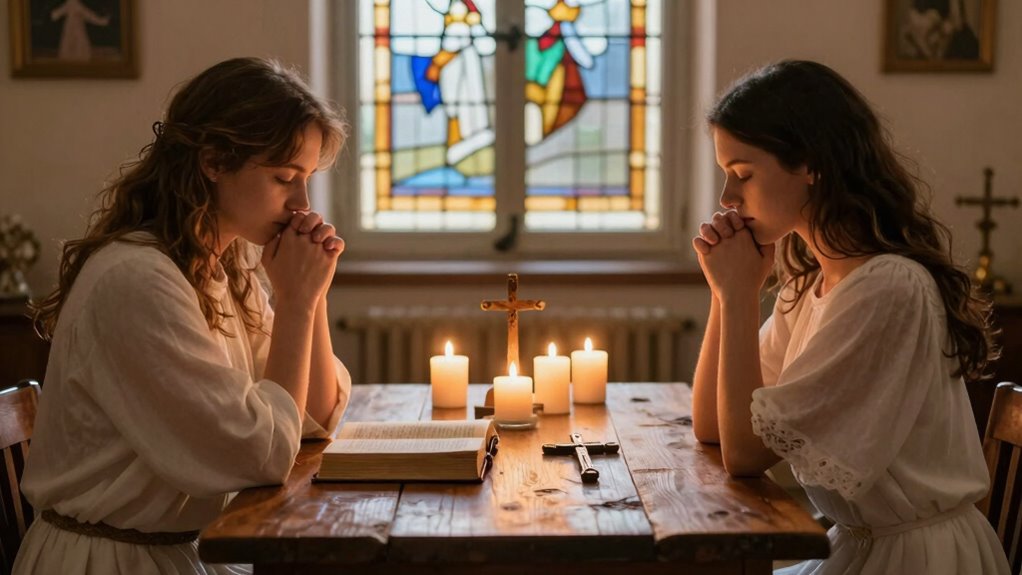
Have you ever wondered how faith influences couples when they discuss marriage? For many, faith isn’t just a personal belief; it shapes how they see their future together. When you’re in a relationship where religion plays a significant role, it’s essential to address spiritual expectations early on. This proactive dialogue helps ensure that both partners understand each other’s faith-based expectations and can navigate potential differences more effectively. This isn’t just about sharing similar beliefs but understanding how those beliefs will influence your life as a married couple. You need to talk about what faith means to each of you and how it will impact your shared journey. For instance, will you attend religious services together? Will you prioritize prayer or spiritual activities in your daily life? Clarifying these expectations helps prevent misunderstandings and guarantees you’re both on the same page.
Discussing religious practices is equally important. Different faith traditions have unique rituals, holidays, and customs that can influence your marriage. You should explore how you plan to observe your faith’s practices—whether it’s celebrating specific religious festivals, fasting, or participating in community events. If one of you has a more traditional approach and the other is more liberal, these differences can create tension if not addressed beforehand. Talking openly about your comfort levels and expectations regarding religious observances helps you find common ground or agree on compromises. This conversation also extends to how you’ll raise children—what religious upbringing you envision for them, which can be a sensitive topic that requires honest discussion. Additionally, understanding how your faith influences moral choices can help ensure you’re aligned in key aspects of your relationship. Exploring the role of religious community in supporting your marriage can also provide valuable guidance and encouragement as you navigate your shared life. In addition, recognizing how your faith shapes your approach to conflict resolution can be crucial for maintaining harmony.
Exploring religious rituals and upbringing helps couples find common ground and navigate differences with respect and understanding.
Beyond the rituals, consider how your spiritual expectations shape your values and morals. Faith often influences decisions about honesty, fidelity, charity, and how you handle conflicts. Make sure you’re aligned on these core principles, so you don’t encounter surprises down the line. It’s also helpful to discuss how your faith community supports your marriage. Will you rely on your church, synagogue, mosque, or other religious groups for guidance and support? Understanding the role your faith community plays in your lives can strengthen your bond and provide additional resources for steering through challenges.
Ultimately, having these conversations isn’t about changing each other or compromising your beliefs but about mutual respect and understanding. When you openly talk about spiritual expectations and religious practices before marriage, you lay a solid foundation rooted in shared values and respect. This proactive approach helps you build a marriage that honors both your faith and your love, making your union stronger and more resilient in the long run.
As an affiliate, we earn on qualifying purchases.
Frequently Asked Questions
How Do We Handle Religious Differences if They Arise?
If religious differences arise, you should engage in open interfaith dialogue to understand each other’s beliefs deeply. Be willing to find religious compromise that respects both faiths, perhaps by agreeing on shared practices or traditions. Communicate honestly about your boundaries and expectations. Prioritizing mutual respect and understanding helps you navigate differences smoothly, strengthening your relationship. Remember, mature interfaith dialogue and genuine religious compromise foster harmony and love.
What Role Will Faith Play in Our Daily Life Together?
Think of faith as the backbone of your daily life together. You’ll want to clarify how spiritual practices fit into your routine, whether it’s prayer, worship, or reflection. Discuss your faith commitments and how you’ll support each other’s spiritual growth. By aligning these aspects, you create a harmonious foundation where faith actively guides your decisions, habits, and shared experiences, making your bond stronger and more meaningful.
How Do We Approach Raising Children With Faith?
You should openly discuss how you’ll approach raising children with faith, emphasizing the importance of interfaith dialogue and respecting both beliefs. Agree on shared principles for faith education, like attending religious services or teaching core values at home. Decide how you’ll handle religious holidays and rituals, ensuring both perspectives are honored. Clear communication in these areas helps foster mutual understanding and a nurturing environment for your children’s spiritual development.
What Religious Traditions Should We Incorporate Into Our Wedding?
You should decide if you want an interfaith ceremony or incorporate specific religious traditions into your wedding. Discuss whether religious attire is important for you and your families, and if you want to include rituals or prayers from both faiths. This way, your ceremony reflects your beliefs and respects your backgrounds, creating a meaningful and harmonious start to your marriage. Clear communication guarantees everyone feels valued and connected.
How Do We Navigate Conflicts Related to Faith Disagreements?
When steering conflicts related to faith disagreements, you should prioritize interfaith understanding and open communication. Respect each other’s beliefs and listen without judgment. Find common ground through spiritual compromises that honor both faiths, and consider involving a trusted spiritual advisor if needed. By fostering mutual respect and practicing patience, you’ll strengthen your relationship and create a harmonious path forward, embracing both of your spiritual journeys.
faith-based couples counseling workbook
As an affiliate, we earn on qualifying purchases.
As an affiliate, we earn on qualifying purchases.
Conclusion
So, before tying the knot, remember that faith isn’t just the background music of your wedding—it’s the main act. Talk openly about your beliefs, practices, and how they’ll influence your life together. Because nothing says “happily ever after” like agreeing on which church’s rules to follow or whether Sunday brunch is optional. If you skip this step, you might just find your “faithful” marriage turning into a comedy of misunderstandings. Cheers to a union built on honesty—and a little divine comedy!
interfaith marriage discussion guide
As an affiliate, we earn on qualifying purchases.
As an affiliate, we earn on qualifying purchases.
religious rituals and holiday planner
As an affiliate, we earn on qualifying purchases.
As an affiliate, we earn on qualifying purchases.
Halloween Picks
halloween
As an affiliate, we earn on qualifying purchases.